World 5 min read By Lauren Baxter
Houthis announce Red Sea blockade targeting Saudi oil exports
Yemen's Houthi movement has declared a maritime blockade against Saudi Arabia in the Red Sea, threatening millions of barrels of oil shipments and escalating regional tensions amid the ongoing US-Iran conflict.
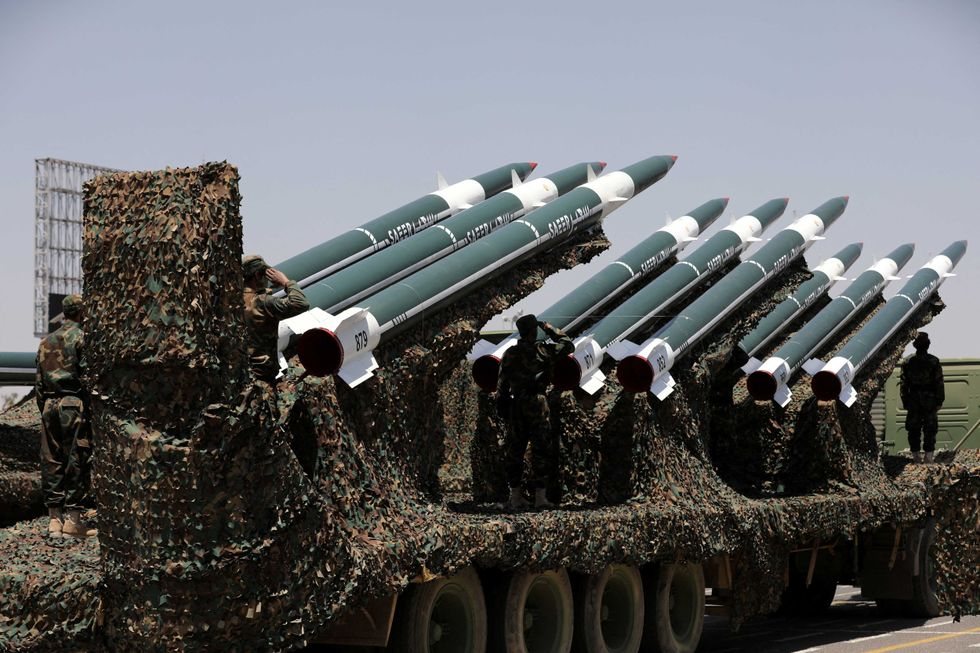
The Houthi movement in Yemen announced a new maritime blockade targeting Saudi Arabia on Monday, a move that analysts and commentators describe as a potential nightmare scenario for global oil markets and the Trump administration's military campaign against Iran. The blockade threatens to disrupt the flow of millions of barrels of oil through the Red Sea, a critical chokepoint for energy shipments.
The Houthis stated that the blockade was imposed in response to Saudi airstrikes on Yemen's capital, Sana'a, and would take effect immediately. Both Saudi Arabia and Yemen share coastlines along the Red Sea, giving the Houthi forces a strategic position to enforce the embargo and interfere with Saudi energy exports. According to Reuters, Saudi Arabia has already diverted nearly three-quarters of its oil exports through the port of Yanbu on the Red Sea after disruptions to shipping through the Strait of Hormuz.
Conservative commentator Saagar Enjeti described the development as the literal nightmare scenario for the United States, warning that the blockade could have severe economic and geopolitical consequences. The announcement adds to a growing list of risks facing global oil supplies, coming on top of the near-standstill of maritime traffic through the Strait of Hormuz, where about a fifth of the world's oil normally flows, due to tit-for-tat attacks between the US and Iran.
Tensions between Saudi Arabia and the Houthis have escalated sharply in recent days. Last week, Riyadh launched attacks on Sana'a airport, prompting the Houthis to retaliate by striking a southern Saudi airport. This exchange marks the worst flare-up between the two sides since a ceasefire agreement in 2022. The renewed hostilities threaten to unravel the fragile truce and plunge the region back into full-scale conflict.
The blockade and broader regional instability have already pushed oil prices higher. The average price for a gallon of gasoline in the United States has climbed back to $4, after rising more than 15% in a single week. This marks the first time the national average has exceeded $4 since June 17. The surge in fuel costs adds economic pressure on American consumers and businesses, compounding the domestic fallout from the war.
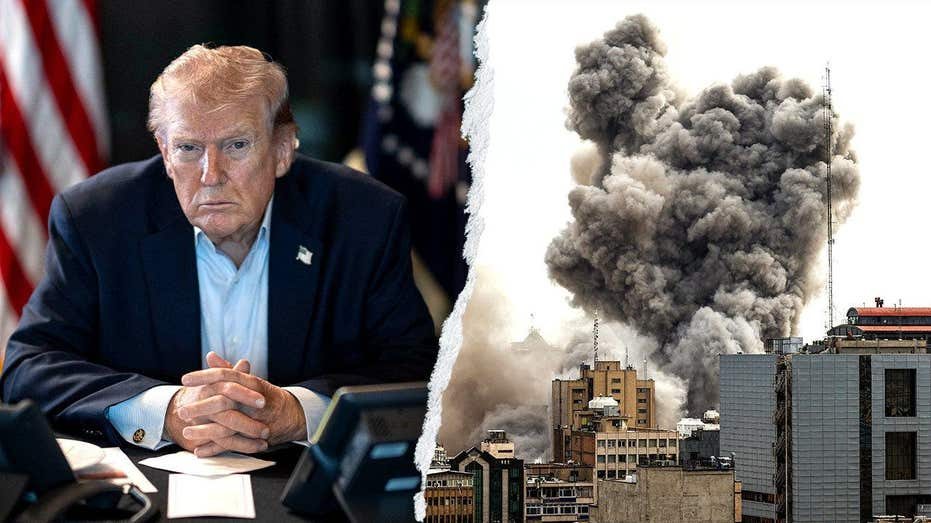
The Houthi announcement comes amid the Trump administration's deeply unpopular war against Iran, which has drawn criticism from both domestic and international observers. The conflict has disrupted global energy markets, strained alliances in the Middle East, and raised fears of a broader regional conflagration. The blockade against Saudi Arabia, a key US ally, further complicates the strategic picture for Washington.
Bloomberg reported that the Houthi blockade could put at risk the flow of millions of barrels of oil, potentially causing further price spikes and supply shortages. The Red Sea route is vital for Saudi oil exports, and any sustained disruption could have significant implications for global energy security. The situation remains fluid, with the Houthis vowing to enforce the blockade and Saudi Arabia weighing its military options.
The international community has called for restraint and a return to diplomatic channels, but the rapid escalation of hostilities suggests that a peaceful resolution remains elusive. The ceasefire that had held since 2022 now appears increasingly fragile, and the risk of a wider war involving multiple regional actors continues to grow. The blockade represents a major escalation in the conflict and a direct challenge to Saudi Arabia and its allies.
For the United States, the blockade adds another layer of complexity to an already difficult military engagement in the region. The Trump administration faces mounting pressure to de-escalate the conflict and protect American economic interests, while also managing the fallout from the war against Iran. The coming days will be critical in determining whether the situation can be contained or whether it spirals into a broader crisis.