Society 5 min read By Mason Emerson
New York City Database of Wealthy Property Owners Sparks Safety Concerns
The administration of New York City Mayor Zohran Mamdani has published a searchable database identifying affluent property owners who could be subject to a proposed pied-à-terre tax, drawing criticism that the move could lead to harassment and public safety risks.
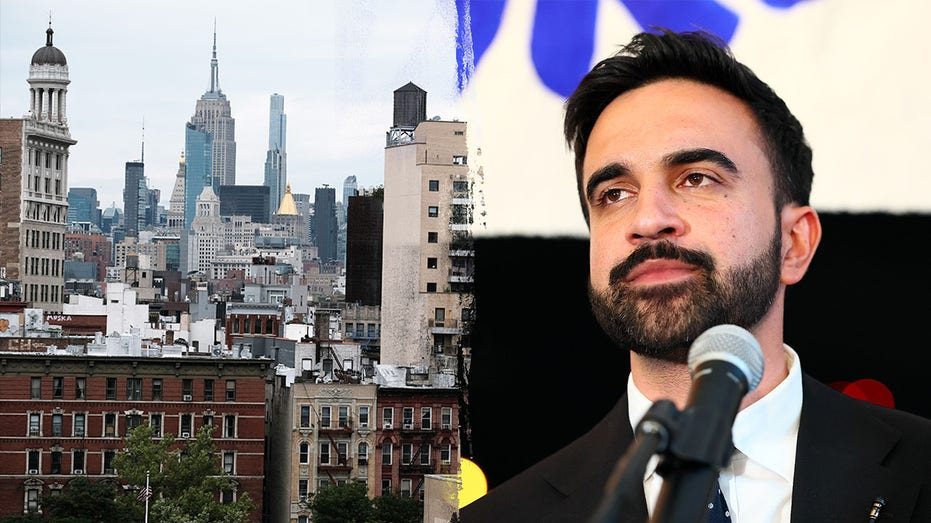
The administration of New York City Mayor Zohran Mamdani has opened a new front in its battle with the city's wealthy by publishing a searchable database that names affluent property owners who could be subject to a proposed pied-à-terre tax, a move critics say could expose them to harassment and security threats. The database, released by the city's Department of Finance, allows users to search properties and view the names and addresses of owners whose non-primary residences may be affected by the tax proposal.
Mayor Mamdani, a Democrat, has promoted the tax as a way to target secondary homes worth more than $5 million owned by the ultra-wealthy and global elites. However, opponents argue that the compiled list of names and addresses in a single, easily searchable platform goes beyond traditional public records and creates heightened risks for those listed. The Real Estate Board of New York President James Whelan warned that the database demonstrates how broadly the proposed tax could reach, potentially affecting hundreds of thousands of homeowners who do not fit the profile of the ultra-wealthy.
According to the New York Post, over 960,000 residences could be listed in the database, which makes it possible to search and download property owners' information, including their names and addresses. A spokesperson for the Department of Finance said the publication of the property roll was required by state law, noting that similar rolls have been released annually for years. A person familiar with the process said new taxes and surcharges follow the same legal procedure: the state passes legislation, a public property roll is published, and the department identifies properties subject to the levy using criteria established by the state.
Despite the legal basis, critics argue that the database could become a tool for harassment. “Ruthless” podcast co-host John Ashbrook warned that Mamdani's supporters could use the database to target landlords and property owners. “They attack anybody who questions his decisions, and there’s no question they’ll harass every New Yorker who provides housing for a living,” Ashbrook said. The debate carries added weight in New York City, where public safety remains a persistent political issue and affluent residents have long cited crime as a top concern.
The database marks the latest flashpoint in Mamdani's increasingly contentious relationship with the city's wealthiest residents. Earlier this year, the mayor stood outside Citadel founder Ken Griffin's 24,000-square-foot Central Park South penthouse, purchased for a record $238 million, to promote his tax proposal. A video released by Mamdani's office singled out Griffin by name. Griffin later called the video “creepy and weird” and argued it put him in harm's way by highlighting his residence while promoting higher taxes on the wealthy.
Longtime Republican strategist Colin Reed argued that the database and Mamdani's broader rhetoric against wealthy New Yorkers could carry dangerous consequences amid heightened concerns about political violence. “In this era of heightened political violence, this type of inflammatory and divisive rhetoric is not only reckless, but outright dangerous, especially from a public official who not that long ago pledged to be a mayor for all New Yorkers,” Reed told Fox News Digital. He added that the mayor is “demonizing success and upward mobility” and pitting classes against one another.
City Hall has defended the database as a transparency tool designed to help property owners determine whether they could be affected by the proposed tax and understand how to seek an exemption. The administration has not commented directly on the safety concerns raised by critics. Meanwhile, the clash has revived a broader debate over whether New York risks driving away the wealthy residents and businesses that have long underpinned its economy. Griffin, whose fortune Forbes estimates at over $30 billion, has previously warned that high taxes and crime could push wealthy individuals out of the city.
As the debate over the database continues, policymakers are examining the scope of the proposed tax. The final rules use different Department of Finance valuation thresholds depending on the type of property, which could sweep in homeowners who are not ultra-wealthy. Whelan urged officials to “take a hard look at the many homeowners who could be swept in despite not fitting the profile of the ultra-wealthy residents this tax was supposedly designed to target.”