Society 5 min read By Morgan Griffin
Michigan Senate Candidate El-Sayed Discloses Dubai Rental Property and Nearly $300,000 in Additional Income
Michigan Democratic Senate candidate Abdul El-Sayed released a new financial disclosure just before a primary debate, revealing a rental property in Dubai, a liability to a Dubai real estate firm, and nearly $300,000 in additional income, while facing criticism from rival Haley Stevens over transparency and wealth.
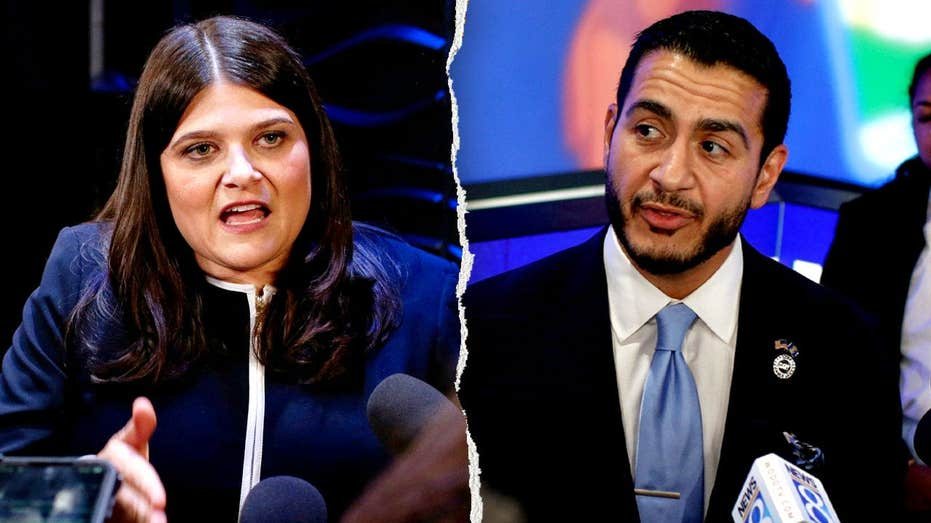
Michigan Democratic U.S. Senate candidate Abdul El-Sayed found himself on the defensive Monday night after releasing a new financial disclosure moments before a primary debate, revealing that he and his wife own a rental property in Dubai and reported nearly $300,000 in additional income. The filing, submitted just ahead of the heated Aug. 6 primary election against Rep. Haley Stevens, adds fresh scrutiny to El-Sayed's wealth and raises questions about the specifics of his family's holdings.
The 2026 disclosure lists a rental property in Dubai valued at up to $250,000, along with a liability to Majid Al Futtaim Tilal, a Dubai-based real estate development company specializing in luxury residential projects, worth between $50,000 and $100,000. The document also shows that El-Sayed worked as a consultant for Wayne County, Michigan, earning $72,000, while simultaneously listing a salary of $82,750 from the same county. This consulting role marks a significant change from a previous salaried position with the county that paid $278,900 the year before. Overall, the combined 2025 and 2026 filings put El-Sayed's net worth between $870,000 and $2.1 million, according to reports.
Past reporting had already shown that El-Sayed's wife owned rental properties in Ann Arbor, Michigan, and Bangalore, India. The Dubai property represents a third real estate holding, drawing criticism from opponents and political observers who question how a self-described progressive candidate aligns such assets with his platform. Prominent gun-control activist Shannon Watts posted on social media: «Know many people who own rental properties in three countries? Why are all the socialists rich????» Democratic analyst Rachel Bitecofer also weighed in on the disclosure.
The Michigan Senate race has garnered national attention as Stevens, a more establishment-backed candidate endorsed by Senate Majority Leader Chuck Schumer, faces off against El-Sayed, whose progressive platform includes challenging U.S.-Israel relations, abolishing Immigration and Customs Enforcement, and providing universal healthcare. El-Sayed has drawn support from prominent progressives such as Sens. Elizabeth Warren and Bernie Sanders. However, Stevens has repeatedly sought to paint El-Sayed as out of touch with working-class voters, needling him over his wealth during a debate last month when she declared: «Look, I am the only one running for United States Senate in Michigan who is not a millionaire.»
At Monday's debate, Stevens again pressed El-Sayed on his finances, accusing him of lacking transparency. «You have not released your tax returns,» she said. «You talk about getting money out of politics and putting money in people’s pockets, but still no one knows who’s putting the money in your pocket.» El-Sayed, who filed the Senate report right before the debate, responded by saying he had made the necessary disclosures and sidestepped the comment about tax returns, calling the issue a «distraction from the issues in your life.»
The timing of the disclosure also drew scrutiny. El-Sayed had applied for a 90-day extension that would have allowed him to submit his 2026 paperwork on Aug. 13, a week after the primary. After being confronted about the timeline, he pledged on a podcast earlier this month to release the disclosures before the election. His campaign did not immediately respond to requests for comment about the disclosures or the timing of their submission.
The disclosures come amid a broader debate over wealth and authenticity in Democratic primaries, with El-Sayed's progressive promises facing increasing skepticism from establishment rivals and voters alike. The outcome of the Aug. 6 primary will determine who faces the Republican nominee in the general election for Michigan's open Senate seat, a race that could help shape the balance of power in Washington.