
Society 6 min read By Mason Emerson
FDA PreCheck Pilot Program Aims to Boost Domestic Drug Manufacturing and Create American Jobs
The FDA has launched the PreCheck Pilot Program to accelerate domestic pharmaceutical manufacturing, reduce reliance on foreign supply chains, and create thousands of high-wage jobs, following President Trump's executive order on regulatory relief.
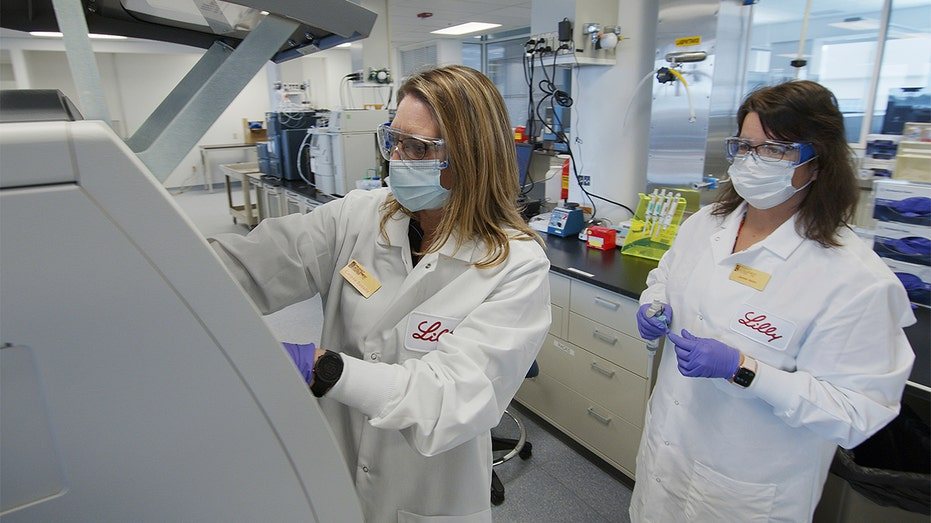
The U.S. Food and Drug Administration is moving aggressively to reshape the nation's pharmaceutical manufacturing landscape, launching a new pilot program designed to cut regulatory red tape and bring production of essential medicines back to American soil. The initiative, called the PreCheck Pilot Program, follows President Donald Trump's executive order directing the agency to prioritize domestic manufacturing and reduce dependence on foreign supply chains for critical drugs.
For years, more than 70 percent of the primary manufacturing facilities for prescriptions filled in the United States have been located overseas, leaving American patients vulnerable to shortages and stripping workers of high-paying jobs. The FDA's new approach aims to reverse that trend by offering manufacturers early regulatory guidance and faster inspections, thereby reducing the delays that have historically plagued new facility construction in the U.S.
The PreCheck program operates in two phases. In the Facility Readiness Phase, manufacturers receive technical and regulatory feedback before operations begin, helping them avoid costly compliance mistakes. In the Application Submission Phase, the FDA provides enhanced engagement to quickly resolve manufacturing questions, expedite review of facility information, and fast-track inspections. By identifying potential issues early, the program aims to reduce delays, improve regulatory predictability, and accelerate the availability of U.S.-manufactured medicines.
The FDA has already selected the first seven corporate participants for the program: Eli Lilly, Regeneron, Amneal, Cellares, Fujifilm Biotechnologies, Kriya Therapeutics, and Kyowa Kirin. These companies are breaking ground and scaling operations this summer, building state-of-the-art facilities to manufacture a wide range of products, from innovative cell and gene therapies to everyday IV bags. According to the FDA, these seven participants alone will anchor thousands of long-term, high-wage careers for American scientists, engineers, technicians, and operators, while instantly fueling thousands of jobs across the heartland.
The initiative is part of a broader effort by the Trump administration to secure the nation's medicine supply and boost domestic employment. In addition to the PreCheck program, the FDA has released draft regulations to streamline pathways for distributed manufacturing and provide greater transparency regarding foreign medicine suppliers. The agency is also reimagining its incentives, now prioritizing applications for older, generic medicines that utilize domestic supply chains. These lower-cost drugs make up roughly 90 percent of all prescriptions written in the U.S., yet they are the very medicines most frequently manufactured overseas.
President Trump signed Executive Order 14293, titled "Regulatory Relief to Promote Domestic Production of Critical Medicines," to address what he described as a suffocating web of state and federal regulations that had driven supply chains overseas. The order directed the FDA to cut red tape, incentivize domestic manufacturing, and secure medicines for American patients. The FDA has taken that directive urgently, with officials stating that they are aggressively executing on multiple fronts to spark a domestic manufacturing renaissance.
The push to onshore pharmaceutical production is also tied to a broader health and science initiative. Under the leadership of President Trump and Health and Human Services Secretary Robert F. Kennedy Jr., the department recently launched "Operation TrialBlazer," a historic initiative designed to bring clinical trials back to American soil by modernizing drug development and slashing regulatory burdens. Making the United States the most attractive place to conduct clinical research ensures that laboratory discoveries translate directly into high-tech production jobs on American soil.
FDA officials emphasize that securing domestic factories is only one piece of the puzzle; securing the science that feeds them is equally important. The agency is acting as a collaborative catalyst for domestic growth, protecting patients, fueling a high-tech economic renaissance, and restoring American independence by putting American workers first. The goal, officials say, is to ensure that when a parent goes to the pharmacy for a child's antibiotic or a patient fights cancer, they do not have to worry about whether a factory closure overseas will cut off their lifeline.
The onshoring of pharmaceuticals will require a synchronized effort across HHS, private industry, and state and local communities, and it is integral to the health, national security, and economic prosperity of the American people. The FDA's PreCheck program is seen as a critical first step in that direction, with the potential to transform the U.S. pharmaceutical manufacturing landscape and create stable, family-sustaining careers that anchor communities for generations.