Politics 5 min read By Mason Emerson
Trump lawyer urges Supreme Court to allow order targeting mail-in voting before midterms
The Trump administration has asked the Supreme Court to permit an executive order that could overhaul mail-in voting before the November midterm elections, facing opposition from 23 Democratic-led states.
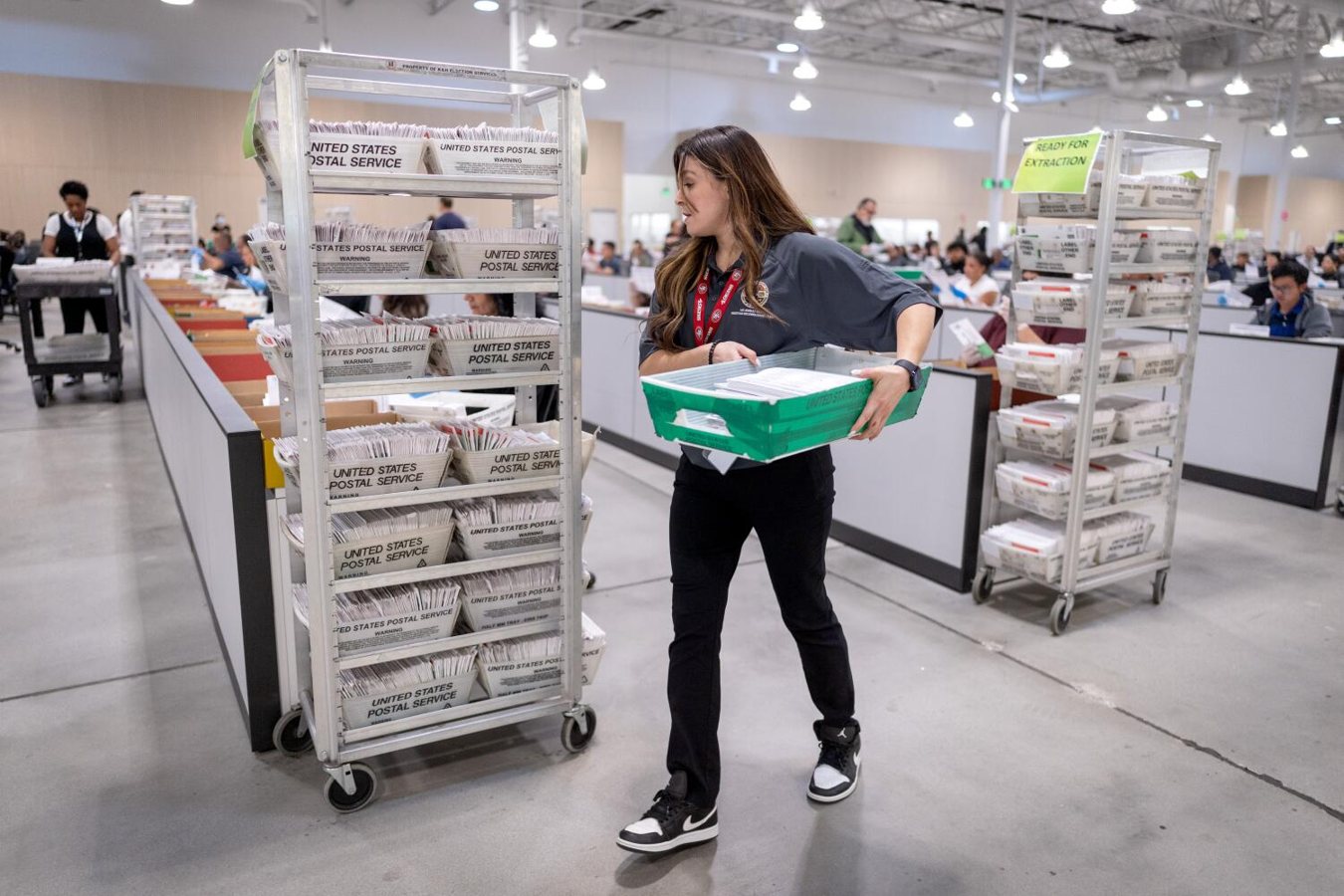
Lawyers for President Donald Trump are pressing the Supreme Court to allow an executive order that would impose new restrictions on mail-in voting, a move that could significantly alter how Americans cast ballots in the upcoming midterm elections. The administration filed its request on Monday, arguing that the order is a lawful exercise of executive authority aimed at ensuring election integrity.
The case stems from a lawsuit filed by California and 22 other Democratic-led states, which contend that the Constitution grants states — not the federal government — the power to set rules for federal elections. The states argue that the executive order oversteps federal authority and could disenfranchise millions of voters who rely on mail-in ballots.
The executive order, signed by President Trump earlier this year, mandates that all mail-in ballots must be received by Election Day — a change from current practices in several states that accept ballots postmarked by that date. It also requires stricter proof of citizenship for voter registration and imposes new identification requirements for mail ballot applications. Supporters say the measures are necessary to prevent fraud, though studies have shown that voter fraud is extremely rare in the United States.
The legal battle has moved quickly through the courts. A federal district judge initially blocked the order, ruling that it likely violated states’ authority under the Elections Clause of the Constitution. The Ninth Circuit Court of Appeals upheld that decision, prompting the Trump administration to seek emergency relief from the Supreme Court. The justices are expected to decide on the request within weeks, as the midterm election cycle intensifies.
Democrats have denounced the order as a thinly veiled attempt to suppress voter turnout among groups that disproportionately use mail ballots, including seniors, minorities, and military personnel stationed overseas. «This is not about election integrity — it is about making it harder for people to vote,» said California Attorney General Rob Bonta, who is leading the multistate lawsuit. «The Constitution is clear: states run elections, not the president.»
Republican officials counter that public confidence in the electoral system is low and that uniform federal standards are necessary to prevent chaos and potential fraud. «Americans deserve to know that every legal vote is counted and that no illegal vote dilutes their voice,» said a Trump campaign spokesperson. The administration’s brief to the Supreme Court argues that the order is «a reasonable exercise of the president’s duty to take care that the laws be faithfully executed.»
The dispute comes amid a broader national debate over voting access and security. Several Republican-controlled states have enacted stricter voting laws since the 2020 election, while Democratic-led states have expanded mail-in voting. The Supreme Court has issued mixed rulings on election-related cases in recent years, sometimes deferring to state legislatures and other times upholding federal oversight.
If the Supreme Court allows the executive order to take effect, it would likely have an immediate impact on the November midterm elections. States that currently accept ballots postmarked by Election Day would have to adjust their procedures, potentially disenfranchising voters who mail their ballots close to the deadline. Election officials in several Democratic-led states have warned that implementing such changes mid-cycle would cause confusion and could provoke legal challenges.
The case also raises broader questions about the balance of power between the federal government and the states over election administration. Legal experts note that the Constitution explicitly gives states the authority to set the «times, places, and manner» of federal elections, though Congress may «make or alter» such regulations. The Trump administration contends that its order falls within the president’s executive authority to enforce federal law, but critics argue that such power belongs exclusively to Congress and the states.
The Supreme Court is expected to consider the emergency request in the coming days, with a ruling likely by late August. The outcome could shape voting procedures not only for the 2026 midterms but also for future elections, setting a precedent for executive power over election rules. Both sides are preparing for a prolonged legal fight, with additional challenges expected if the order is allowed to take effect.