Politics 3 min read By Mason Emerson
FCC Asks Court to Dismiss ABC’s First Amendment Lawsuit
The Federal Communications Commission has asked a federal court in Washington, D.C., to dismiss the First Amendment lawsuit ABC filed against the agency, arguing the Disney-owned broadcaster failed to prove the FCC’s early license renewal review amounts to retaliation for disfavored speech.
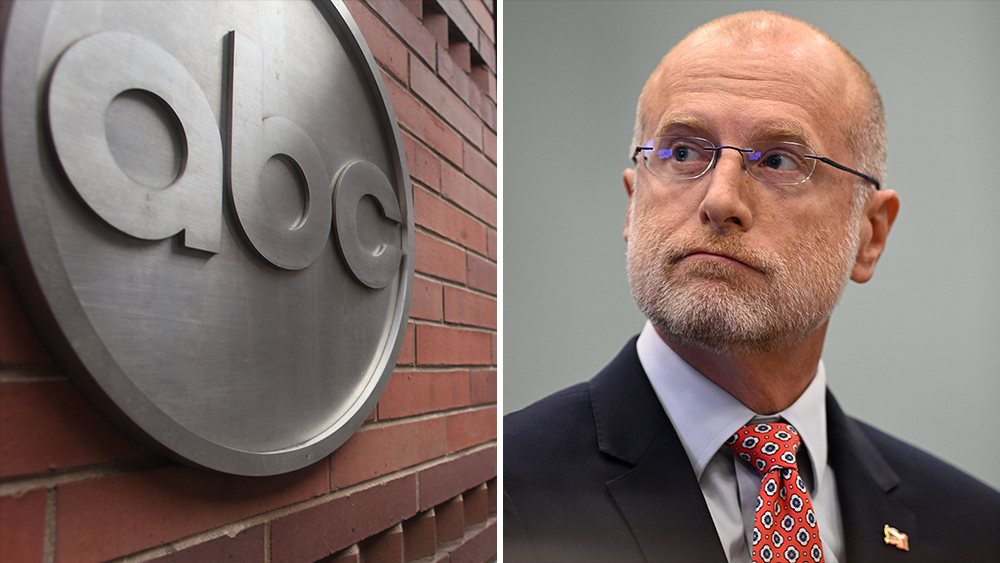
The Federal Communications Commission has asked a federal court in Washington, D.C., to dismiss the First Amendment lawsuit ABC filed against the agency, arguing that the Disney-owned broadcaster failed to establish that the FCC’s early license renewal review for ABC’s TV stations represents retaliation for disfavored speech.
ABC sued the FCC last month, alleging the commission was waging an “extraordinary” and “retaliatory campaign” against the network over its free speech rights. The suit, filed Aug. 18, seeks to halt a proceeding in which the agency and its chairman, Brendan Carr, demanded that the network put its television station licenses up for early renewal review. ABC has argued the move was triggered by programming decisions, including content on shows such as “Jimmy Kimmel Live!” and “The View.”
In its motion to dismiss, the FCC repeated its claim that the early license renewal review is unrelated to specific programs or hosts. The agency contends that the review is a routine regulatory matter and that ABC has not provided evidence showing the commission acted with retaliatory intent. The FCC also argued that broadcast license renewals are a standard part of its oversight duties and that ABC’s allegations do not meet the legal threshold for a First Amendment claim.
The dispute centers on the FCC’s authority to review whether broadcasters are serving the public interest. ABC, which operates multiple television stations across the country, has characterized the agency’s action as an attempt to pressure the network over its editorial choices. The network has said the FCC’s demand for early renewal review is unprecedented and violates its constitutional protections.
Legal experts following the case note that the outcome could have broader implications for how federal agencies interact with broadcasters. A ruling in favor of ABC could limit the FCC’s ability to use license renewals as a tool for scrutinizing programming content. A ruling in favor of the FCC would affirm the agency’s discretion in overseeing broadcast licenses.
The case is being heard in federal court in Washington, D.C. No hearing date has been set yet for the motion to dismiss. ABC has not yet filed its response to the FCC’s motion.
The lawsuit is one of several recent legal battles between major broadcasters and federal regulators over the boundaries of free speech and regulatory authority. The FCC has defended its actions as consistent with its mandate to ensure broadcasters operate in the public interest, while ABC and other networks have argued that such oversight can cross into unconstitutional territory when it appears to target specific viewpoints.
63