Politics 4 min read By Morgan Griffin
Labor watchdog warns «fraudfluencers» are stealing taxpayer money
The Labor Department inspector general says a new wave of online scammers known as «fraudfluencers» is openly recruiting others to steal taxpayer-funded benefits, citing cases that led to millions of dollars in losses and federal prison sentences.
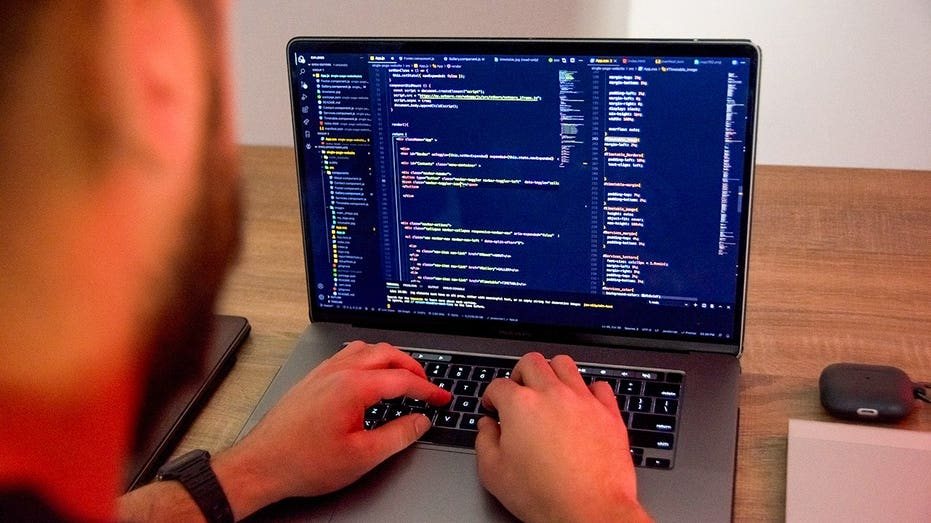
A top federal watchdog is warning that a new breed of online scammers, dubbed «fraudfluencers», is turning government benefit fraud into public spectacle and costing taxpayers millions. Anthony P. D’Esposito, inspector general of the Department of Labor, said social media has given fraudsters a platform to advertise their crimes, recruit willing participants and take a cut of the money they help steal.
«This isn’t just a crime — it’s a deliberate and public betrayal of every hardworking American who plays by the rules,» D’Esposito said. «Fraud is not a trend or content; it’s theft of taxpayer dollars, and it will be prosecuted.»
The warning comes as investigators point to a string of cases in which scammers used Instagram, X and even music videos to promote fraudulent claims. In California, Britteny Egland, a contract employee with the state’s Employment Development Department, used her social media accounts to invite followers into schemes involving unemployment insurance, grants and rent relief. Prosecutors said she relied on insider information and stolen identities to file bogus applications. Egland had nearly 10,000 followers on Instagram and more than 1,500 on X before her arrest.
In one post, the account @Britisshh advertised: «NEW OR REGULAR CLAIMS ONLY. IF YOU DID PANDEMIC EDD THIS ISN’T FOR YOU! EVEN IF YOU HAVE A REMAINING BALANCE IT WILL NOT WORK.» Another post urged followers to «get with the winning team» and claimed that «nobody went to jail or owe back for anything.» Egland offered to check claims for $150 and proposed splitting proceeds from a $20,000 grant program, taking $5,000 for herself and passing the rest to the client. In June 2025, she pleaded guilty to conspiracy to commit wire fraud and was sentenced to 60 months in federal prison, followed by 36 months of supervised release. She was also ordered to repay the full $2.8 million she stole.
D’Esposito, a former NYPD detective, said such cases reflect a broader effort by criminals to glamorize stealing from their own communities. «What makes this increasingly dangerous is the growing effort by fraudsters on social media to glamorize and normalize stealing from their own communities — turning theft into entertainment and betrayal into a lifestyle,» he said. He added that his office, working with Vice President Vance’s White House Task Force to Eliminate Fraud, would aggressively pursue prison sentences and accountability.
The problem is not limited to one state. Jonathan Dupiton, an Atlanta man who hosted a podcast with the motto «F.R.A.U.D is Dope,» was convicted in April and sentenced to seven years in prison for using stolen identities to collect about $3.8 million in fraudulent unemployment benefits from the same California program. In 2022, Memphis rapper Fontrell Antonio Baines, known as «Nuke Bizzle,» was sentenced to 77 months in prison after exploiting Pandemic Unemployment Assistance created under the CARES Act. Baines bragged about his roughly $788,000 in ill-gotten gains in a YouTube music video.
«The criminal mindset hasn’t changed — only the platform has,» D’Esposito said. «I’ve seen criminals make mistakes. Today’s fraudfluencers make those mistakes in high definition. They steal from taxpayers, boast about it on social media, and leave a digital footprint our investigators can follow.» The Department of Labor’s Office of Inspector General and the White House task force were created in part to crack down on the widespread abuse of government programs and recover misspent taxpayer money.