Culture 4 min read By Mason Emerson
Nile Rodgers defends his AI-generated likeness in new music video
Nile Rodgers has pushed back against fans who criticised his use of AI in a new video for the 2020 charity track "The Christmas Song", calling their objections hypocritical.
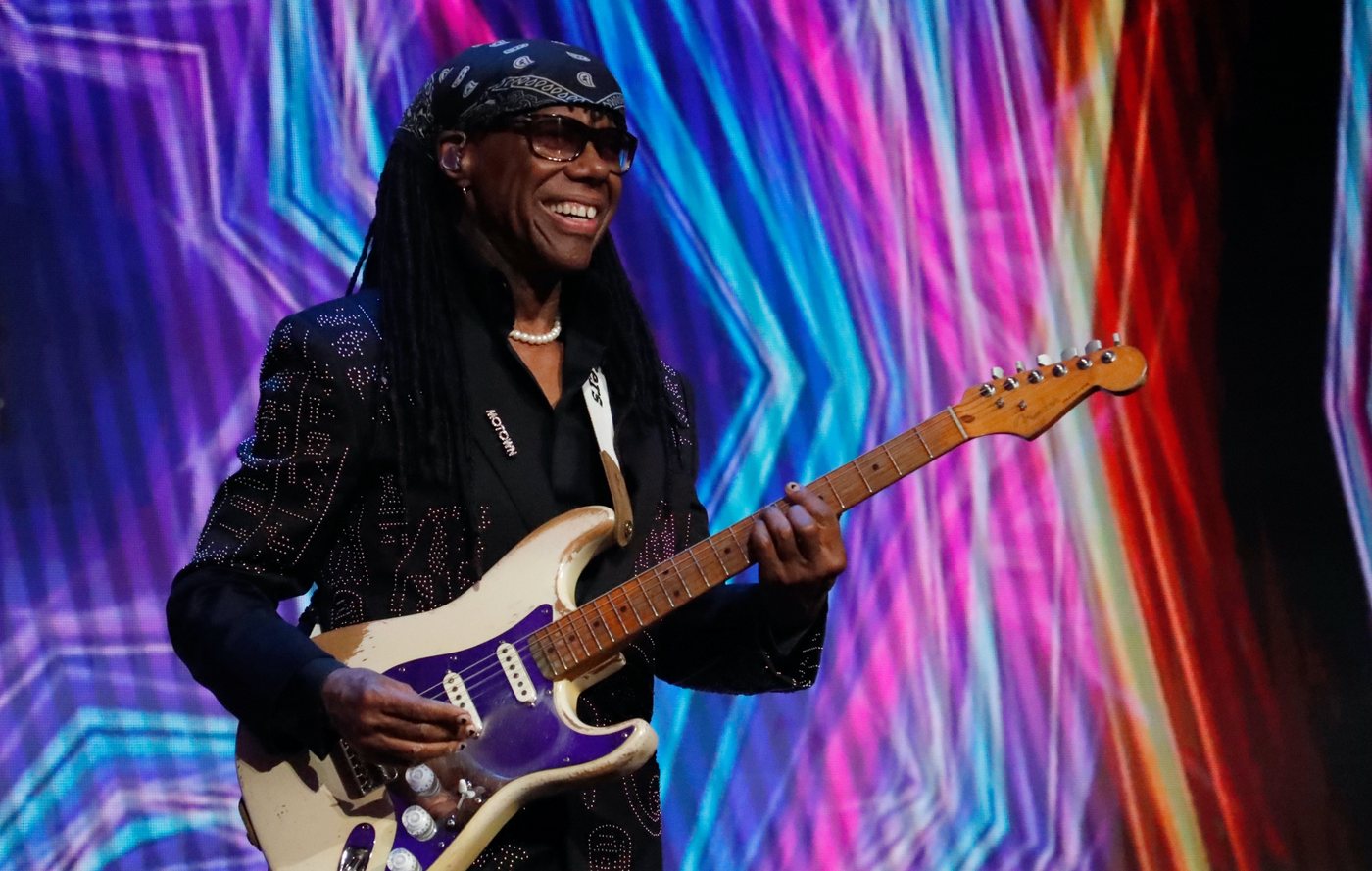
Nile Rodgers has responded to fans who criticised his use of artificial intelligence in a new music video, arguing that many of the people objecting already rely on the same technology in their daily lives. The Chic co-founder was creating an AI version of himself for the project when followers on Instagram questioned the decision, with some calling it disappointing or unnecessary.
Rodgers said critics were being inconsistent. "You're being hypocritical," he told them, pointing to the everyday AI tools that many people use without thinking about it. He compared the AI visuals to CGI and other established film production methods, suggesting that the debate over the technology in creative work is less clear-cut than some commenters believe. In his view, the question is not whether a tool is used but how it serves the story being told.
The video is for "The Christmas Song", a charity track released in 2020 that features Rebecca Ferguson alongside AI versions of both artists. The clip includes an AI rendering of Rodgers and of Ferguson, so the production stands on the performances of both singers as well as the digital figures created for it. Rodgers said that producing the visuals the traditional way would have cost around $100,000, a sum that he framed as a practical reason for turning to the technology on a charity project.
The purpose of the project gives the choice a particular weight. The track is intended to give children who are ill some holiday entertainment, and Rodgers cited his own history with cancer as a reason he wanted to take part. The video is set for release on November 20, timed for the season the song celebrates. For a charity effort aimed at young patients, the budget and the speed of production are part of the argument Rodgers is making about why the approach makes sense.
Rodgers has been open about his support for AI tools for some time. In a 2023 interview he voiced his backing for the technology, and the new video extends that position into a current project rather than marking a sudden change of heart. The reaction from fans reflects a wider unease about how AI is used in music and other creative fields, with audiences asking whether the performers they follow are still making the work themselves.
That unease has been drawing attention across the industry. A study found that AI was detected in nearly 40 percent of music released in July, a figure that underlines how widespread the technology has become. Industry figures and politicians have recently discussed the future of AI in music at an event in Manchester, where questions about its role in making and promoting work were raised. The discussion reflects a sector still deciding where the boundaries of acceptable use should sit.
The debate also extends beyond music. Toei, the Japanese animation studio, has drawn up generative AI rules and already uses AI in its production work. The company has set a timeline for its first video games in 2027. Taken together, these developments show how entertainment companies are weighing the benefits of AI against the concerns of audiences who want to know how the work they enjoy is made, and Rodgers's defence of his video sits squarely within that wider argument.
Source: nme.com
4