World 5 min read By Trevor Kendall
World Cup Visitors Remind Americans of Their Country's Strengths
International soccer fans visiting the U.S. for the World Cup are sharing viral videos of American hospitality, challenging negative narratives about the country.
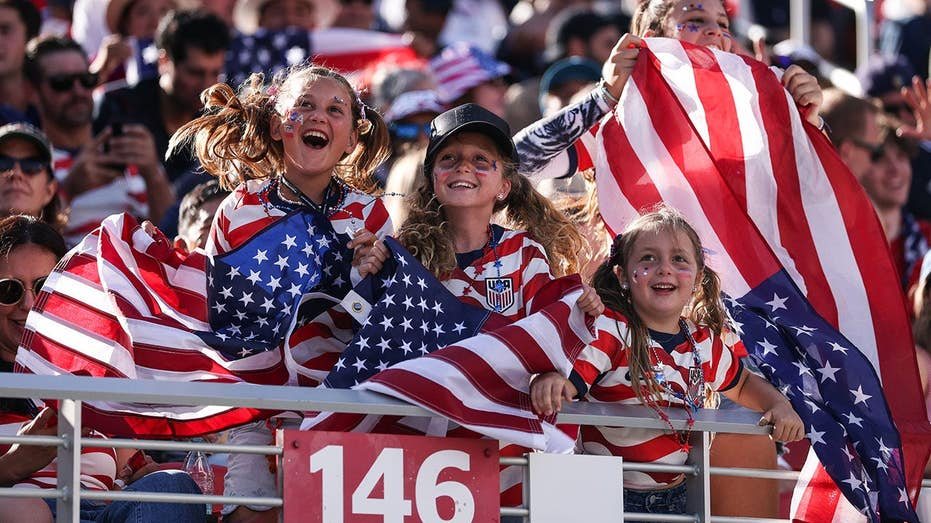
International visitors attending the World Cup in the United States are sharing viral stories of American kindness, offering a counterpoint to the negative portrayals of the country that dominate headlines and social media. From a German soccer fan helped by a stranger in Boston to crowds singing together after matches, these accounts are prompting many Americans to reconsider their own perceptions of their nation.
One widely shared video features Sebastian, a German soccer fan who arrived in the U.S. with apprehensions shaped by years of news reports depicting America as a place overrun by crime and division. After watching Germany play Paraguay in Boston, Sebastian found himself stranded without a way back to his hotel. A local man named Bob, who did not know Sebastian, offered him a ride without asking about politics or background. In the video, which has been viewed millions of times, Sebastian fought back tears as he described the kindness he experienced, saying he was more upset about leaving America than about Germany's elimination from the tournament.
Social media has been flooded with similar videos from international visitors documenting their experiences. They praise the hospitality of ordinary Americans, marvel at the country's diversity, national parks, food, and culture, and express surprise at the warmth they encountered in cities they were warned to fear. Visitors have danced in the streets with strangers after matches, sung “Take Me Home, Country Roads” alongside thousands of Americans, and stood speechless at the Grand Canyon. Many have tried American barbecue for the first time and shared their delight.
These stories have resonated deeply with American audiences, prompting reflection on why people from abroad often seem to appreciate the United States more than many of its own citizens do. The contrast highlights a persistent gap between the country's everyday reality and the narratives amplified by media and educational institutions. Outrage and conflict drive clicks and ratings, while positive stories rarely achieve the same reach. As a result, Americans are often exposed to a version of their country that focuses almost exclusively on its problems.
The same dynamic is present in education, where students are frequently taught about America's historical failures without equal emphasis on its achievements. While acknowledging dark chapters such as slavery, segregation, and Japanese internment is essential, critics argue that the omission of successes like the abolition of slavery, the defeat of fascism, the moon landing, and the creation of the world's most innovative economy leaves young people with a skewed and shame-based view of their heritage. Loving one's country does not require believing it is perfect, but it does require recognizing what is worth protecting and improving.
Sports have a unique ability to cut through division. On the field, factors like race, religion, and political affiliation become irrelevant; only skill and dedication matter. In the stands, thousands of strangers unite as one team, cheering, celebrating, and sometimes crying together. This kind of unity, which happens every weekend in stadiums across America, contradicts the narrative that division is insurmountable. The World Cup did not create this kindness; it simply gave the world a reason to see the America that exists beneath the clickbait headlines.
For many observers, the biggest takeaway from this World Cup is not about soccer at all. It is the reminder that the country's strength lies in its people and their willingness to help one another. As one commentator noted, the America where a stranger named Bob helps a stranded traveler is the same America that millions of visitors are now discovering is not the caricature they were sold.