World 2 min read By Mason Emerson
Netanyahu's Likud Holds Slim Lead in Tight Israeli Election Race
Benjamin Netanyahu could be asked to form Israel's next government as the vote remains extremely close between his Likud-led right-wing bloc and Gadi Eisenkot's coalition.
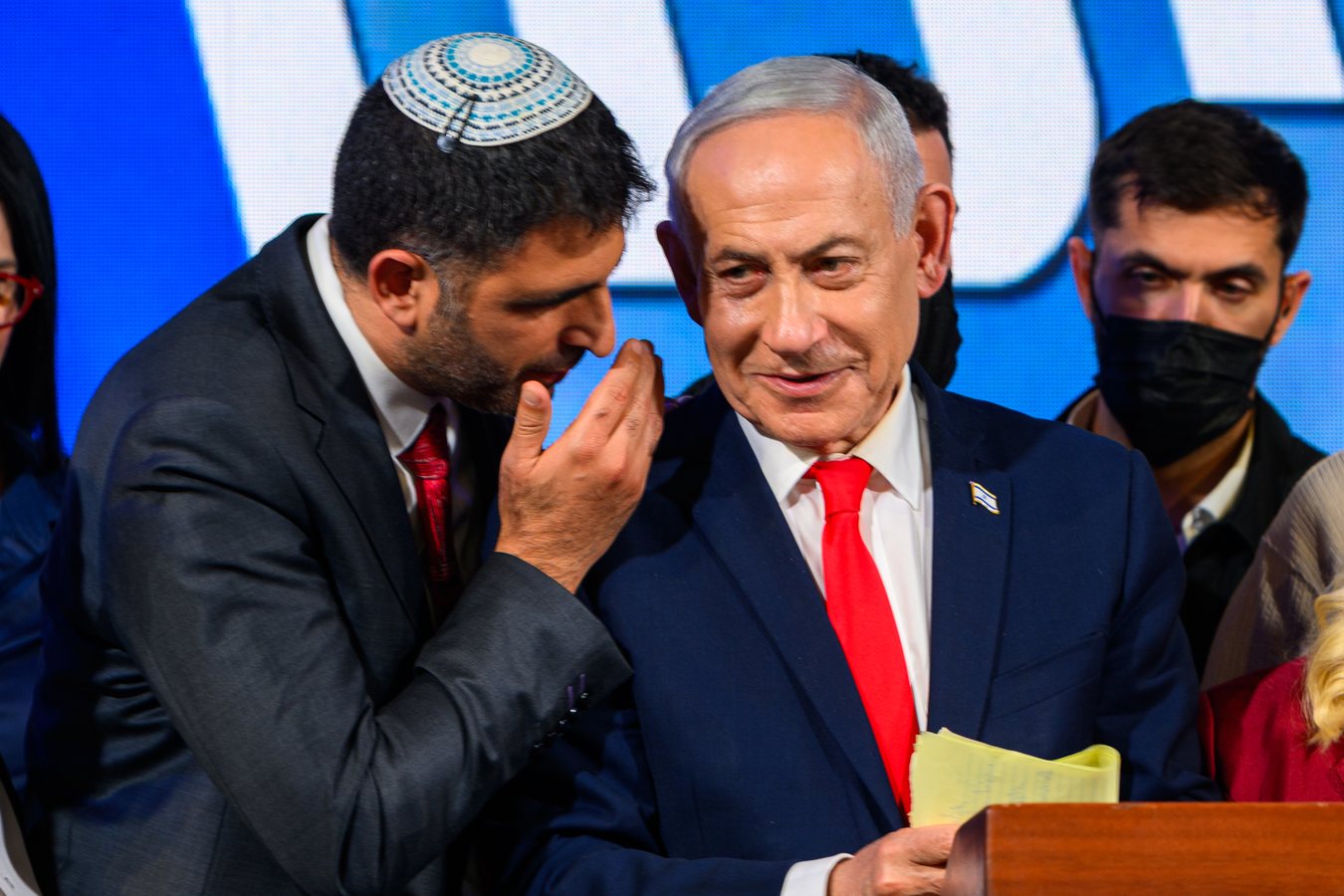
Benjamin Netanyahu may be asked to form Israel's next government, as the country's election remains on a knife's edge. Exit polls from the night of the vote suggested that Netanyahu's Likud Party, together with its right-wing bloc, and the coalition led by challenger Gadi Eisenkot were running neck and neck. With well over half of the votes now counted, the race still appears too close to call, though Netanyahu holds a slender advantage.
That narrow edge gives Netanyahu a realistic path back to power. In Israel's parliamentary system, the party or bloc best placed to assemble a majority in the Knesset is typically invited to try to form a government. If the current lead holds, Netanyahu would be in a strong position to be given that mandate, even without a decisive margin of victory. The exit poll results, which pointed to a near-even split, showed how evenly the electorate has divided between the two camps.
The contest has drawn close attention because of what is at stake for both sides. Netanyahu's bloc has built its campaign around continuity of leadership on the right, while Eisenkot's coalition has put forward a competing vision for the country's direction. Each camp has been positioning itself to capture the votes needed to clear the threshold for a governing majority, and the tight margin has made every remaining ballot consequential.
Because the count is still incomplete, the final outcome could shift as the last votes are tallied. Once results are officially confirmed, the president would normally consult the parties in the Knesset before deciding which candidate to task with forming a government. Coalition negotiations in Israel frequently run for weeks, and the bargaining over smaller parties that can tip the balance is likely to determine who ultimately leads the next government. Until those results are confirmed and talks begin in earnest, the balance of power remains uncertain.
19