World 5 min read By Morgan Griffin
UK Defense Secretary Suggests Europe Will Thank Trump for Forcing Defense Spending
Britain's new defense secretary says Europe will ultimately thank President Donald Trump for shaking the continent out of its complacency and pushing NATO allies to take greater responsibility for their own security.
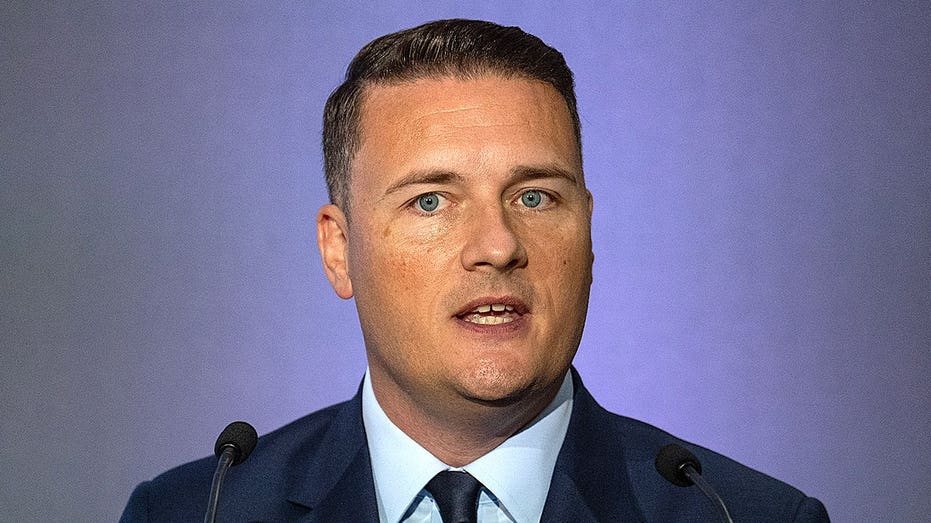
Britain's new defense secretary, Wes Streeting, said Sunday that Europe will ultimately thank President Donald Trump for waking the continent from its complacency and forcing NATO allies to take responsibility for their own security. Speaking on Sky News, Streeting signaled a rebalancing of the U.K. government's transatlantic stance under new Prime Minister Andy Burnham while reiterating that Britain continues to refuse to support U.S. offensive military action against Iran.
Streeting, who took charge of the Ministry of Defence on July 20, the same day Burnham became prime minister, offered a frank assessment of the U.S.-U.K. relationship. He told Sky News anchor Trevor Phillips that the first thing to do is not to suck up, adding that his impression is that President Trump and his administration are not looking for that. Streeting described Trump as a straight talker who says what he means and means what he says.
Streeting acknowledged that the alliance between the United States and the United Kingdom is unlike any in the world, driven by history, culture, politics, and mutual self-interest. In his first week in office, he had a call with Secretary of War Pete Hegseth to discuss maritime security in the Strait of Hormuz and broader NATO commitments. Streeting emphasized that he has had a unique insight into just how close and integral that relationship is when it comes to defense and security.
During the conversation with Hegseth, Streeting made clear that the U.K. does not support and will not support offensive action in Iran. However, he noted that there are many areas where the two countries can and should work together, such as securing the Strait of Hormuz, preventing Iran from developing nuclear weapons, and investing in defense capabilities and NATO's capabilities.
Trump has long criticized European NATO members for failing to spend enough on defense, arguing that they should shoulder a greater share of the alliance's security burden. At July's NATO summit in Turkey, Trump pressed allies to follow through on their commitments to increase defense spending. Streeting acknowledged that not everyone always likes what Trump says or his methods, but he genuinely believes that when this period of history is written, Europe will thank Trump for shaking the continent out of its complacency and forcing it to end the period of overreliance on the United States for defense.
Streeting pointed out that criticism of Europe's defense spending is not unique to Trump or the Republican Party. He noted that this has been a longstanding source of U.S. frustration with Europe under both Democratic and Republican presidents. In the current global environment, Streeting argued, it is right that Europe can act to secure itself. He said the U.K. can work with allies in Europe and with the United States without being overly dependent to the extent that NATO and Europe have been.
The comments come amid broader debates about European defense spending and the future of NATO. The U.K.'s new government under Prime Minister Burnham has indicated a shift in approach, seeking to balance close ties with Washington while asserting more independence in certain policy areas. Streeting's remarks suggest a pragmatic approach to the Trump administration, acknowledging pressure from Washington while maintaining distinct positions on issues like Iran.
Streeting also highlighted the importance of investing in capabilities, both for the U.K. and for NATO as a whole. The defense secretary's first week in office included engagement with U.S. counterparts and a focus on maritime security, reflecting the immediate priorities of the new government. The broader message from Streeting is that while the U.S.-U.K. alliance remains vital, European allies must step up their own defense efforts.