World 3 min read By Trevor Kendall
Trump’s Unsubstantiated Election Data Claims Threaten US-China Trade Truce
President Donald Trump’s allegations that China stole 220 million American voter files, without evidence, have been rejected by Beijing and risk undermining a fragile trade ceasefire and a planned summit with Xi Jinping.
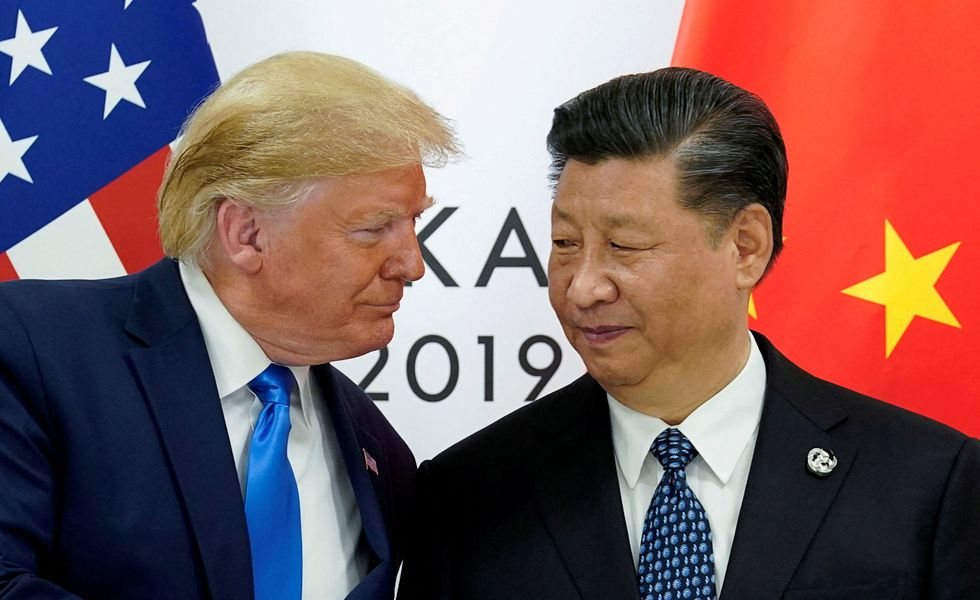
President Donald Trump’s public allegations that China illicitly obtained 220 million American voter files have severely damaged the already delicate relationship between the two nations and threaten a crucial summit with Chinese leader Xi Jinping this fall, according to NBC News. During a Thursday night address, Trump claimed that China had compromised election data including names, addresses, phone numbers, and political party preferences, branding it “the largest compromise of election data in history.” However, he offered no credible evidence to support the assertion.
The accusations were swiftly undercut by a 2021 memo from CIA Director John Ratcliffe, which found no basis for such claims. China’s foreign ministry immediately rejected the allegations as fabricated, with spokesperson Lin Jian dismissing them as a “malicious smear” designed to undermine bilateral relations. “China has consistently adhered to the principle of non-interference in the internal affairs of other countries,” Lin stated at a Beijing briefing on Friday. “China has no interest in, and has never interfered in, U.S. elections.”
The timing of Trump’s remarks could not be worse, as both nations are attempting to maintain a fragile trade ceasefire while navigating deep geopolitical tensions over technology, security, and regional influence. The unsubstantiated accusations inject fresh hostility into an already fraught dynamic, potentially unraveling months of diplomatic groundwork. While Trump stopped short of explicit threats toward Beijing or Xi personally, experts warn the damage to relations is substantial.
“Beneath the veneer of Washington and Beijing trying to get along, there continues to be friction,” said Ja Ian Chong, a political science professor at the National University of Singapore, in an interview with NBC. “This could add to that.” The incident underscores the volatility of US-China relations under Trump’s leadership, where public statements often carry significant diplomatic weight. The planned fall summit, intended to solidify the trade truce and address broader issues, now faces an uncertain future as Beijing demands clarification and a retraction of the claims.
The controversy also highlights the broader challenges of managing great-power competition in an era of misinformation. Critics argue that Trump’s habit of making explosive, unverified allegations risks alienating key partners and undermining US credibility on the world stage. The White House has not provided any additional evidence to support the president’s claims, leaving diplomats to manage the fallout. As both sides weigh their next steps, the fragile truce hangs in the balance, with potential consequences for global trade and security.