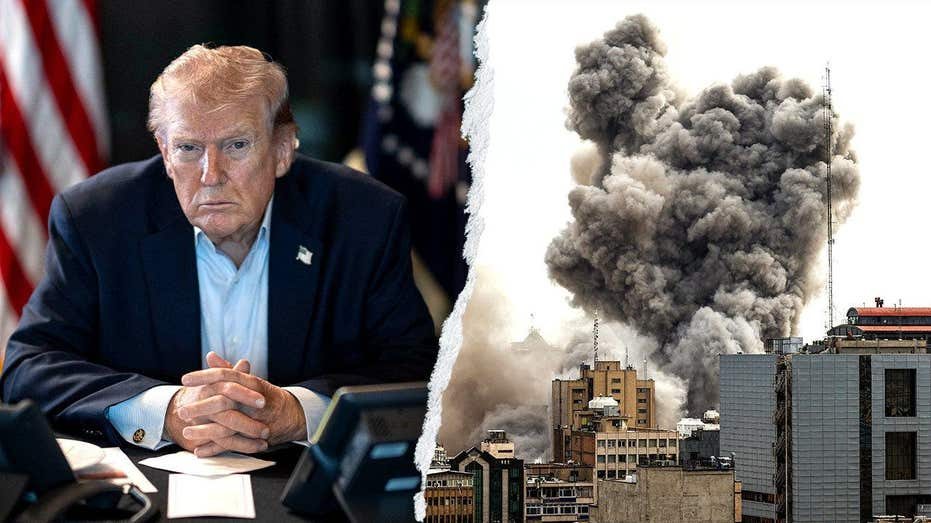
World 5 min read By Trevor Kendall
Trump hints at giving F-35 jets to Turkey, alarming Wall Street Journal editorial board
President Donald Trump's recent hints about providing F-35 fighter jets to Turkey have drawn sharp criticism from the Wall Street Journal editorial board, which argues that allowing Ankara access to the advanced aircraft while it maintains Russian S-400 missile systems poses a severe security risk to NATO and the U.S.
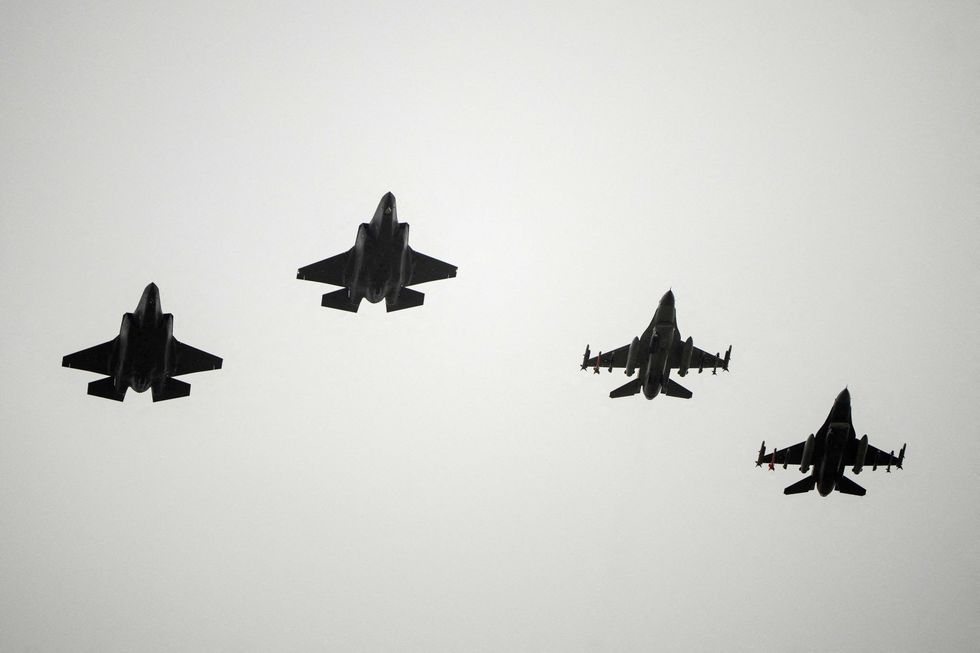
The conservative Wall Street Journal editorial board has expressed alarm over President Donald Trump's recent signals that he may provide F-35 fighter jets to Turkey, a NATO ally that has deepened its ties with Russia. Trump's comments, made during a meeting with Turkish President Recep Tayyip Erdoğan, have reignited concerns about the security of America's most advanced fighter jet and the broader implications for NATO unity.
Trump stated that Erdoğan, whom he described as a «strong member of NATO» and a «respected leader,» would likely be pleased by an upcoming decision. The president said, «I'm going to probably do something that's going to make him very happy.» This remark has prompted the Wall Street Journal's editorial board to argue that providing the F-35 to Turkey should be a «nonstarter» as long as Ankara retains the Russian S-400 missile-defense system, which it purchased in 2019.
During his first term, Trump removed Turkey from the F-35 program after it acquired the S-400 system, a move that the editorial board now defends as correct. The board noted that the U.S. had offered Turkey Patriot missile defenses and issued multiple warnings before the purchase. Reversing that decision, the board argues, would be a strategic error that could compromise the F-35's technological secrets.
The editorial board warned that allowing the F-35 and S-400 systems to operate together would effectively give Russian President Vladimir Putin a «target practice on the free world's pilots.» This is because the S-400 could gather intelligence on the F-35's capabilities, including its radar signature and electronic warfare systems. The stakes are particularly high given that Russia is collaborating with China and Iran in a broader competition with the United States.
Beyond the immediate security risks, the board highlighted the soft power implications of such a move. Caving to Turkey's demands, they argued, would fuel European cynicism that Trump prioritizes personal relationships with illiberal leaders over European defense. This comes at a time when Trump has already strained relations with Europe by attempting to pressure Denmark into ceding control of Greenland.
The editorial board concluded that if Trump truly values «hard power and real deterrence,» as Secretary of Defense Pete Hegseth recently stated, a key component of that strategy is «not handing the alliance's prime adversary a potential cheat code on the West's best military aircraft technology.» The board emphasized that the F-35 is a cornerstone of NATO's air superiority, and any compromise of its technology could have far-reaching consequences for the alliance's security posture.
Turkey's purchase of the S-400 system has been a point of contention within NATO for years. The system is incompatible with NATO's integrated air defense network, and its acquisition led to U.S. sanctions under the Countering America's Adversaries Through Sanctions Act (CAATSA). Despite these tensions, Turkey remains a key NATO member due to its strategic location and military capabilities.
Critics of the potential F-35 sale argue that it would undermine years of U.S. policy aimed at pressuring Turkey to abandon the S-400 system. They also point out that Erdoğan's government has increasingly cracked down on political dissent and press freedom, raising questions about the reliability of Turkey as a partner in sensitive technology sharing.
The debate over the F-35 and Turkey comes amid broader discussions about the future of NATO and U.S. defense commitments in Europe. Trump's transactional approach to alliances has often clashed with traditional NATO principles, and this latest controversy is likely to further strain relations with European allies who are already wary of U.S. reliability.
As the Trump administration weighs its decision, the Wall Street Journal editorial board's warning serves as a stark reminder of the potential consequences. The board's analysis underscores the delicate balance between maintaining alliance cohesion and protecting critical military technology from adversaries. Whether Trump will heed these concerns or proceed with the sale remains to be seen, but the stakes for NATO and U.S. security are undeniably high.