World 5 min read By Morgan Griffin
Trump declares Iran ceasefire 'over' after US strikes 80 targets
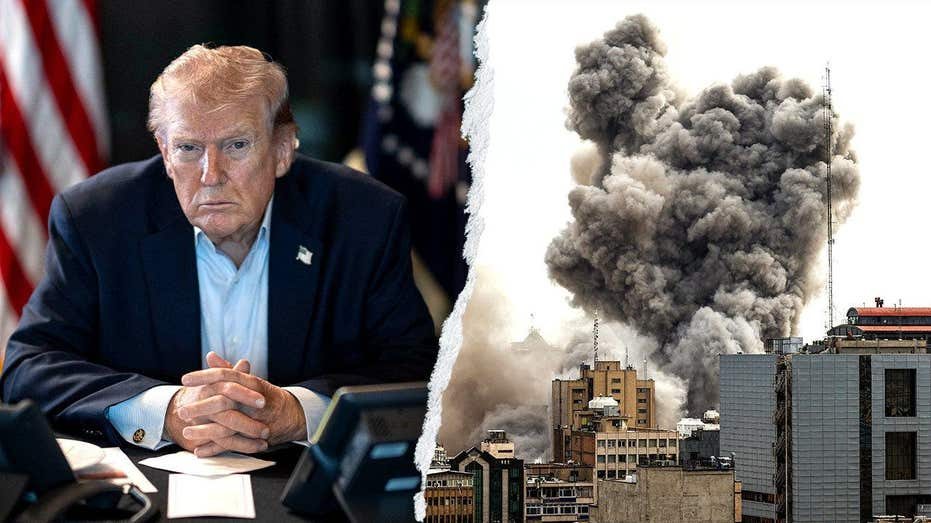
President Donald Trump said the tentative ceasefire with Iran is effectively dead after the US military struck over 80 Iranian targets in response to attacks on commercial shipping in the Strait of Hormuz. Military experts warn the situation is at a critical juncture.
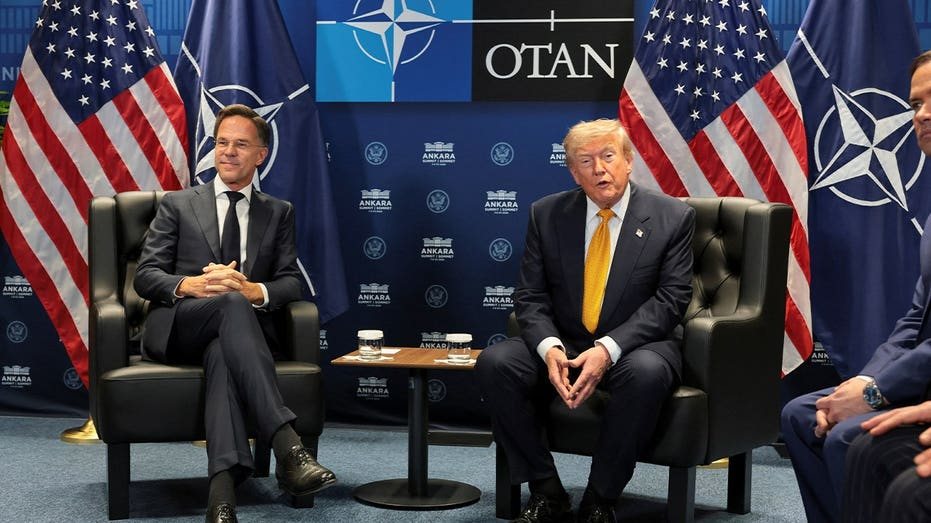
President Donald Trump declared the tentative ceasefire with Iran effectively dead Wednesday, hours after the U.S. military launched airstrikes on more than 80 Iranian targets in retaliation for attacks on commercial shipping in the Strait of Hormuz. Speaking alongside NATO Secretary-General Mark Rutte at a summit in Ankara, Trump told reporters, «For me? I think it's over. I don't want to deal with them anymore, they're scum.» He added that further talks with Iran would be a waste of time, calling Iranian leaders «liars, cheats, and sick people.»
The comments mark a dramatic escalation in rhetoric and signal a potential end to weeks of diplomatic efforts that followed both sides signing a memorandum of understanding in which they agreed to allow traffic to resume in the strategic waterway. However, Iran struck at least three commercial vessels transiting the Strait of Hormuz on Monday and Tuesday, prompting the U.S. military to respond with what officials described as a massive bombing campaign. The strikes targeted military installations, naval facilities, and missile sites across Iran, according to defense officials.
Military experts quickly weighed in on the significance of the strikes and the collapse of the ceasefire. Retired Admiral James Stavridis, the former NATO Supreme Allied Commander, described the U.S. response as «pretty significant strikes» during an appearance on CNN. He cautioned that the situation represents «the last turn before the tunnel for the Iranians in terms of Trump's patience.» Stavridis suggested the Trump administration «just got tired» of Iranian attacks on merchant shipping, which he called «a bridge too far.» He described the ceasefire as being on «life support,» but held out hope that «the Iranians kind of get the signal here and stand down from striking merchant shipping.»
Former Republican congressman Adam Kinzinger, appearing alongside Stavridis on CNN, agreed that the ceasefire was in jeopardy but argued that the initial agreement only gave the U.S. time to negotiate the memorandum of understanding. «Now, the Trump administration has a decision to make,» Kinzinger said. «That decision is simply, you have to basically escalate to try to compel some answer or some negotiation that actually works out, or do you just walk away and give Iran the Strait? Basically walk away from the nuclear material?» His comments underscored the high stakes involved, as the Strait of Hormuz is a critical chokepoint for global oil shipments and any prolonged disruption could have severe economic consequences.
The breakdown of the ceasefire comes after weeks of fragile calm following the signing of the memorandum of understanding, which was intended to de-escalate tensions and restore normal shipping traffic. The agreement had been seen as a rare diplomatic breakthrough between the two nations, which have been at odds over Iran's nuclear program and its regional military activities. However, the latest attacks on commercial vessels suggest that hardliners within Iran may be unwilling to abide by the terms, or that the agreement itself was insufficient to address underlying grievances.
Trump's comments in Ankara also touched on broader U.S. foreign policy, as he threatened to cut off trade and tourism with Spain over its refusal to boost military spending and its restrictions on U.S. military operations during the conflict with Iran. «Spain is a wasted cause. We don't want to do any trade business with Spain anymore,» Trump declared, linking the issue to the ongoing tensions. The remarks highlighted the administration's willingness to use economic leverage as a tool in its foreign policy, even as it pursues military action against Iran.
The situation remains fluid, with both military and diplomatic channels in flux. The U.S. has not ruled out further strikes if Iranian attacks continue, and defense officials have indicated that additional targets could be hit if necessary. Meanwhile, international observers are watching closely to see whether Iran will retaliate or seek to de-escalate. The European Union and other regional powers have called for restraint, but Trump's declaration that the ceasefire is «over» suggests that the window for diplomacy may have closed, at least for now. The coming days will be critical in determining whether the conflict spirals into a broader war or whether both sides can find a way back to the negotiating table.