World 5 min read By Trevor Kendall
New Heat Wave Expected to Worsen Wildfires Across Western Europe
A new heat wave is forecast to hit Europe this week, adding pressure to countries already battling deadly wildfires that have forced hundreds of thousands to evacuate, particularly in France and Spain.
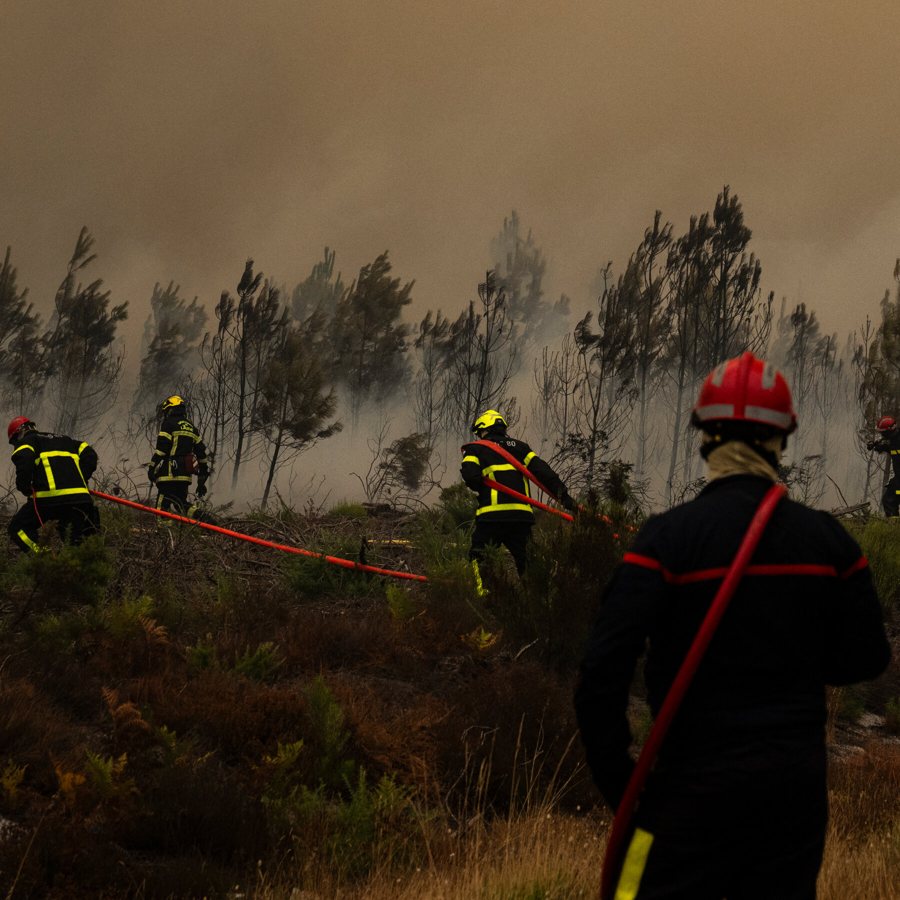
A new heat wave is forecast to sweep across Europe in the coming days, threatening to worsen the already devastating wildfire outbreaks that have forced hundreds of thousands of people to flee their homes in France and Spain. Meteorologists warn that rising temperatures, combined with strong winds, could create dangerous conditions for firefighters who are struggling to contain multiple blazes across the region.
The extreme weather event comes as emergency crews continue to battle large fires in southwestern France, particularly in the Gironde region near Bordeaux, and in parts of northern Spain. In France alone, more than 100,000 people have been evacuated since the start of the wildfire season, with thousands more displaced in Spain. Firefighters have managed to contain some blazes, but new outbreaks have been reported as hot and dry conditions persist.
Temperatures are expected to climb above 40 degrees Celsius (104 degrees Fahrenheit) in several areas, with parts of Spain, Portugal, and southern France facing the highest risks. The heat wave is projected to last several days, potentially breaking records in some locations. Authorities have issued red alerts in affected zones, urging residents to stay indoors and avoid unnecessary travel.
The combination of extreme heat and strong winds has created a perfect storm for wildfires. In the Gironde region, flames have destroyed thousands of hectares of forest and forced the closure of major roads and railway lines. Emergency shelters have been set up in sports halls and schools to accommodate evacuees, many of whom have lost their homes. In Spain, firefighters are working around the clock to protect populated areas and critical infrastructure.
Scientists have linked the increasing frequency and intensity of heat waves in Europe to climate change. The continent has experienced a series of extreme heat events in recent years, with 2022 and 2023 seeing record-breaking temperatures and widespread wildfires. This year's wildfire season has already been described as one of the most severe on record, with the area burned significantly above the average for this time of year.
The economic and human costs of the wildfires are mounting. Beyond the direct destruction of property and natural habitats, the fires have led to hazardous air quality conditions, prompting health warnings for vulnerable populations, including the elderly and those with respiratory conditions. Agricultural losses have also been reported, as vineyards and olive groves have been damaged by the flames. Local economies dependent on tourism are bracing for a sharp downturn as visitors cancel trips to affected regions.
Governments in France and Spain have mobilized additional resources, including water-dropping aircraft and reinforcements from neighboring countries. The European Union has activated its Civil Protection Mechanism to coordinate cross-border assistance. French President Emmanuel Macron has visited affected areas, pledging financial aid and support for reconstruction. Spanish Prime Minister Pedro Sánchez has also promised emergency funding and efforts to improve fire prevention measures.
As the new heat wave approaches, authorities are racing to reinforce firebreaks and preposition firefighting equipment. Residents have been advised to prepare emergency kits and follow evacuation orders promptly. Despite these efforts, officials acknowledge that the situation remains extremely volatile and that further evacuations may be necessary.
The current crisis highlights the growing challenges faced by European countries in adapting to a warming climate. Long-term strategies, including better forest management, stricter building codes in fire-prone areas, and investments in early warning systems, are being discussed at the national and EU levels. However, for those on the front lines, the immediate priority is containing the blazes and protecting lives.