World 6 min read By Morgan Griffin
Joe Rogan warns Trump may have handed Democrats 2028 victory with Iran war
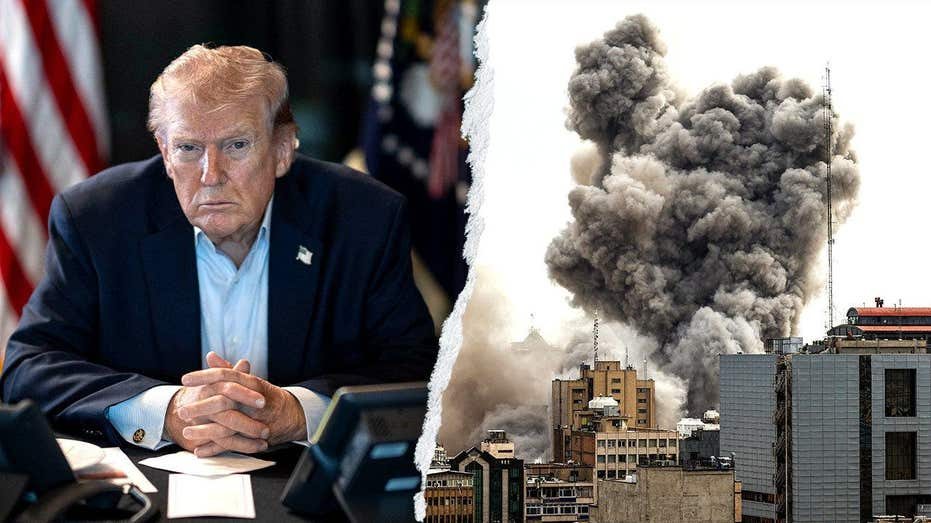
Podcaster Joe Rogan said President Donald Trump may have jeopardized Republican chances in 2028 by starting an unpopular war with Iran, breaking a key campaign promise to avoid foreign conflicts.
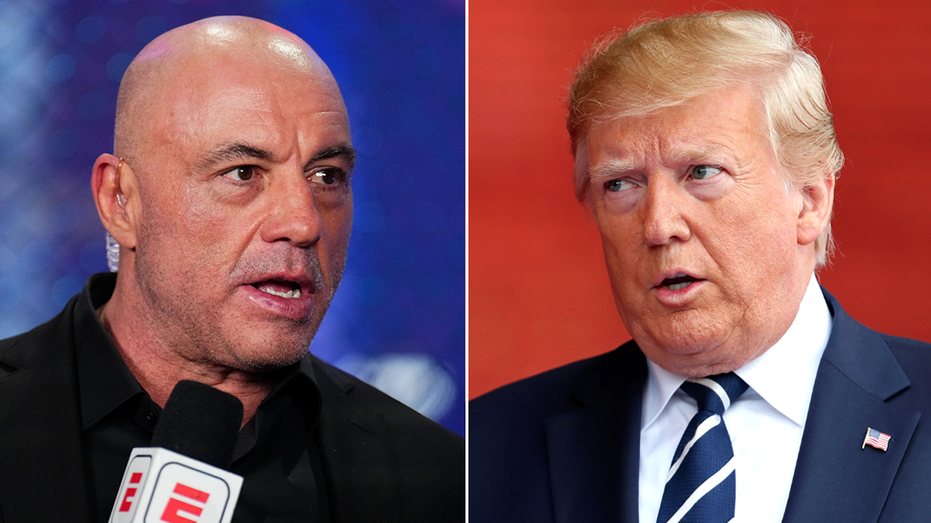
Podcaster Joe Rogan warned this week that President Donald Trump may have inadvertently handed the presidency back to Democrats in 2028 by pursuing a military conflict with Iran that he said most conservatives and Americans oppose. Speaking on his widely followed show, Rogan told guest Rupert Lowe that while Trump has brought some normality to the White House, the administration's actions on Iran could undo that progress.
«For now, but if we don't f--- it, I mean, we might have f----- it up by going to Iran,» Rogan said. «I mean, this war is not something anybody that's conservative wanted. Most people don't want it – except supporters of Israel. They're the only people that seem to be thinking it's a good idea in this country.» He added that most Americans are horrified by the prospect of another Middle Eastern war, especially because Trump was elected on a platform that included a promise to avoid new foreign entanglements.
Rogan's comments reflect growing unease among some of Trump's staunchest supporters, who have criticized the president for breaking a core campaign pledge. During the 2024 election, Trump frequently argued that he would end wars, not start them, and that his administration would prioritize American interests abroad without committing troops to new conflicts. Critics now say the Iran escalation contradicts that message.
The discussion on Rogan's podcast also touched on what the Trump administration has accomplished so far, including the shutdown of the U.S. Agency for International Development (USAID). Rogan and Lowe agreed that USAID had been exporting far-left ideology to other countries and that closing it was a positive step. However, Rogan offered a significant caveat: «Of course, if there was ever a Democrat that got elected president in 2028, it would probably start that b---- right back up, open the borders right back up. Business as usual.»
Rogan also warned about what he described as a long-term Democratic strategy to shift the political balance. «It seems like there was a desire to move people into blue states and then eventually get them on social assistance and then get them to become citizens, and then you have guaranteed voters,» he said. Lowe, a British politician, expressed alarm at how taxpayer funds are being misused, noting that the United Kingdom faces a similar problem. He argued that at least under Trump, «you're making a stab at returning to some form of normality.»
Lowe recalled that he had spoken out against the Iran war from a realpolitik perspective, arguing that it was not in the interest of the British nation. «And I think, again, most of these leaders should put the interests of their taxpaying public first, and there's only a reason to go to war if it's going to benefit you,» Lowe said.
The Iran conflict has become a flashpoint in American politics, with some Republican lawmakers also voicing opposition. Senator Rand Paul, a frequent critic of foreign intervention, recently stated that «America is at war, but Americans didn't vote for it.» The senator's remarks echoed Rogan's sentiment that the administration is pursuing a military path that voters did not authorize.
Rogan's analysis comes amid broader debate about the future of both major political parties. On the Democratic side, the question of who will lead the party in 2028 remains unresolved. During a recent episode of «The View,» co-host Joy Behar rejected the idea that former Vice President Kamala Harris should be the nominee again, arguing that she lost to Trump in all major swing states. «I love her, she was great, but she didn't win one time. What makes you think she's going to win again?» Behar asked. She instead floated younger candidates such as Senator Jon Ossoff, Pennsylvania Governor Josh Shapiro, California Governor Gavin Newsom, and Illinois Governor JB Pritzker.
The exchange on «The View» highlighted internal Democratic tensions over identity politics and electability. Co-host Sunny Hostin argued that the country is not beyond identity-based voting, pointing to what she called a «whitelash» against President Barack Obama that led to Trump's 2016 victory. «We need to be realistic, and as a Democratic Party, we need to win,» Hostin said. Behar added that the stakes are high, describing Trump's time in office as an emergency for democracy.
Rogan's warning about 2028 underscores a broader uncertainty about the political landscape. While Trump's base remains loyal, the Iran war could alienate independent voters and anti-war conservatives, potentially reshaping the electoral map. Whether Democrats can capitalize on that discontent will depend on their ability to unite behind a candidate who can appeal to a broad coalition, a challenge that remains unresolved as the party debates its future direction.