World 6 min read By Morgan Griffin
Iran War Live: Fighting Intensifies With Strikes on Critical Infrastructure
The conflict between the US and Iran escalates as strikes target critical infrastructure, with pro-government demonstrations in Tehran and mounting casualties reported.
The conflict between the United States and Iran has entered a new phase of escalation, with intensified strikes targeting critical infrastructure across the country. The latest wave of attacks, now in their seventh consecutive night, has resulted in significant casualties and widespread damage, according to multiple news reports. The situation has drawn global attention as the region braces for further instability.
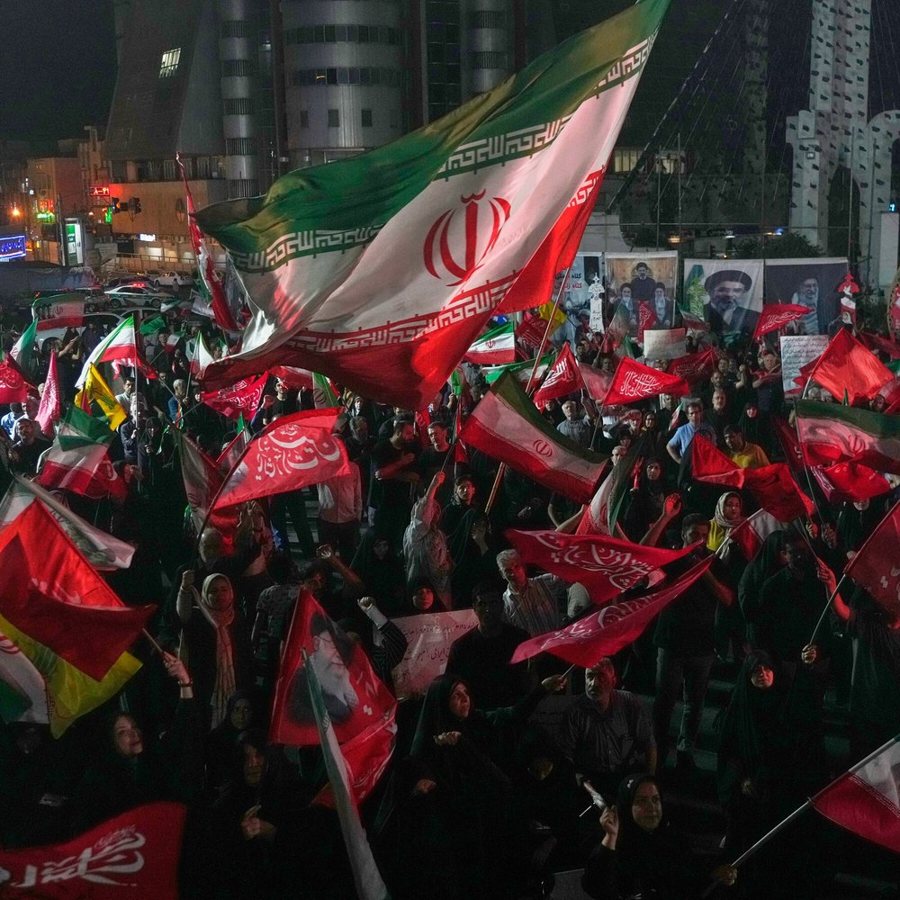
Pro-government demonstrators gathered at a square in Tehran on Friday, signaling continued public support for the Iranian leadership amid the ongoing military campaign. The rally, which drew thousands of participants, was a show of solidarity with the government as it faces what officials describe as an unprecedented assault on national sovereignty. State media broadcast images of crowds waving flags and chanting slogans in support of the armed forces.
The US military has confirmed carrying out a fresh series of strikes, targeting what it describes as military and strategic assets linked to Iran's nuclear program and its ability to project power in the region. The Pentagon stated that the operations are aimed at degrading Iran's capacity to threaten US interests and allies, particularly in the strategically vital Strait of Hormuz, a key chokepoint for global oil shipments. The strikes have reportedly hit radar installations, missile batteries, and command-and-control centers.
According to reports from Al Jazeera, at least 50 people have been killed and more than 500 wounded in US attacks this month alone. The figures, which are difficult to verify independently due to restricted access for foreign journalists, highlight the heavy human toll of the campaign. Hospitals in several Iranian cities, including Tehran, Isfahan, and Shiraz, have been overwhelmed with casualties, and medical supplies are reportedly running low.
The escalation marks a significant deterioration in US-Iran relations, which have been tense since the Trump administration withdrew from the nuclear deal and reimposed sanctions. The current round of hostilities began after a series of incidents in the Persian Gulf, including attacks on oil tankers and drone strikes on US positions in Iraq. The White House has framed the military action as a defensive measure, while Tehran has condemned it as an act of aggression and vowed retaliation.
Iran's Foreign Ministry issued a statement calling on the international community to intervene and hold the US accountable for what it termed war crimes. The ministry also warned that Iran would respond with force to any further attacks on its territory. Meanwhile, the United Nations Security Council has scheduled an emergency session to discuss the crisis, though diplomatic efforts have so far failed to produce a ceasefire.
The conflict has sent shockwaves through global markets, with oil prices surging above $120 per barrel amid fears of supply disruptions from the Strait of Hormuz. The strait, through which about 20% of the world's oil passes, has been a focal point of the confrontation, with Iran threatening to block the waterway in retaliation for the strikes. The US Navy has reinforced its presence in the region to ensure freedom of navigation, raising the risk of direct naval engagements.
Humanitarian organizations have expressed alarm over the impact of the strikes on civilians. The International Committee of the Red Cross has called for all parties to respect international humanitarian law and ensure the protection of non-combatants. Power outages and water shortages have been reported in several areas, compounding the suffering of ordinary Iranians already grappling with economic hardship under sanctions.
In Tehran, the pro-government rally was a clear message of defiance. Speakers at the event denounced the US strikes as an act of terrorism and praised the resilience of the Iranian people. The demonstration, while largely peaceful, underscored the deep divisions within Iranian society, where opposition to the government has grown in recent years due to economic mismanagement and political repression. However, the external threat appears to have temporarily galvanized nationalist sentiment.
The international community remains deeply divided over the conflict. European allies have urged restraint and called for a return to diplomacy, while Russia and China have condemned the US strikes and offered political support to Iran. The lack of a unified response has complicated efforts to de-escalate the situation, with each side accusing the other of intransigence.
As the fighting continues, the human cost is mounting. Families in Iran are mourning the dead, and the wounded are struggling to access adequate medical care. The strikes have also damaged critical infrastructure, including power plants and water treatment facilities, raising concerns about a humanitarian crisis. The US has insisted that its targets are military in nature, but the scale of the destruction suggests that civilian areas have not been spared.
The coming days will be critical in determining the trajectory of the conflict. With both sides showing little willingness to back down, the risk of a wider regional war looms large. The situation remains fluid, and further escalation could have far-reaching consequences for global security and the world economy.