
World 6 min read By Morgan Griffin
Couple publicly caned in Indonesia after TikTok kiss sparks outrage
A young couple in Indonesia's Aceh province was publicly caned after allegedly kissing during a TikTok livestream, each receiving 21 lashes under local Islamic Sharia law.
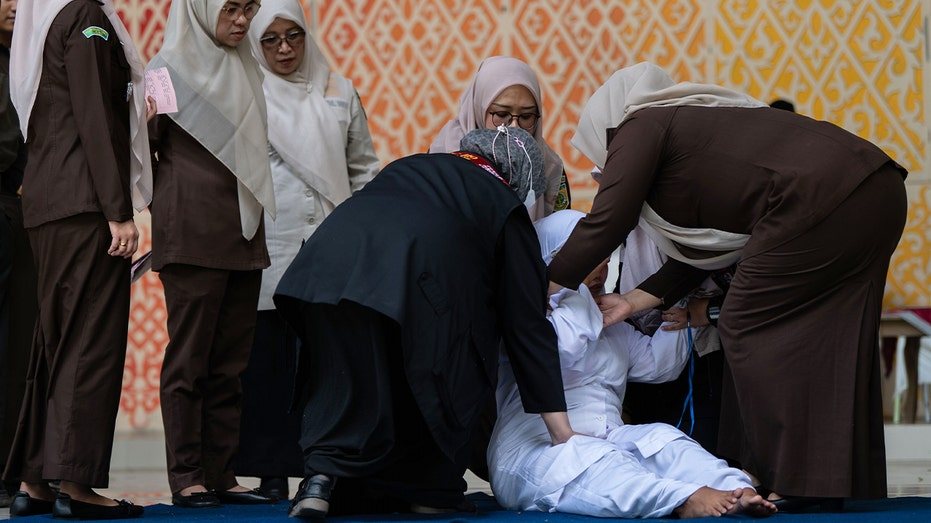
A young couple in Indonesia was publicly caned Thursday after authorities said they kissed during a TikTok livestream, drawing widespread attention and reigniting debate over the country's strict moral laws in the conservative province of Aceh. The 22-year-old man and 25-year-old woman each received 21 lashes in a public square, according to local officials and reports from The Associated Press.
The couple was convicted by an Islamic Sharia court in Aceh, the only province in Muslim-majority Indonesia that enforces its own Islamic Criminal Code governing moral conduct. Their punishment stemmed from a March incident in which they filmed a TikTok video inside a car late at night. The video went viral, prompting complaints from residents who reported the pair to authorities for what was described as an "immoral act."
"Their actions were uncovered thanks to reports from residents who were disturbed by their immoral livestream content," Sharia police said in a statement in April. "The trigger was their livestream on TikTok while engaging in immoral acts in the car." Head of the Sharia Police Muhammad Rizal added that the livestream "sparked criticism from netizens and local residents, who then reported them to the authorities."
The couple had already spent four months in prison prior to the caning, which reduced their original sentence from 25 lashes to 21. The court also confiscated a cellphone and a USB flash drive containing the TikTok video, which authorities said they would destroy.
Aceh's right to implement Islamic law was granted by Indonesia's secular central government around 2005 as part of a peace deal to end a separatist insurgency. The policy was later expanded to apply to non-Muslims as well. Under the law, moral offenses — including adultery, same-sex relations, gambling, drinking, and premarital intimacy — can carry penalties of up to 100 lashes.
Public caning in Aceh has long drawn criticism from human rights groups, including Amnesty International Indonesia, which has called the practice cruel and degrading. Despite Indonesia having ratified international conventions prohibiting cruel punishment, authorities in Aceh defend the practice, arguing it does not fall under such a definition.
A Banda Aceh resident who attended the caning, 22-year-old Aini Nadhirah, said she believed the punishment was "entirely justified." "In my opinion, this caning is entirely justified because it serves as a warning to other Aceh residents to be more careful when using social media," Nadhirah said. "It also raises awareness that such actions are unacceptable, thereby educating the public."
The case has once again highlighted the tension between Indonesia's secular national laws and the religious-based legal system in Aceh. While the central government has largely tolerated Aceh's autonomy in this area, human rights advocates continue to call for the abolition of caning as a form of punishment, arguing it violates international human rights standards.
The couple's caning also underscores the growing scrutiny of social media content in conservative societies, where public displays of affection are often considered taboo. In Aceh, authorities have increasingly targeted online behavior, warning residents to be cautious about what they post or stream on platforms like TikTok.
Indonesia's broader legal framework does not typically criminalize consensual acts between adults in private, but Aceh's special autonomy status allows it to enforce Sharia law. The province's Islamic Criminal Code has been in effect since 2015, and authorities have carried out hundreds of canings since then for various offenses.
Critics argue that the practice disproportionately affects women and marginalized groups, and that it fails to address underlying social issues. Supporters, however, maintain that it serves as a deterrent and upholds local cultural and religious values.
The couple's case is not isolated. In recent years, several individuals in Aceh have been caned for similar offenses, including premarital intimacy and gambling. The province's strict enforcement of moral laws has drawn international attention, with some governments and organizations urging Indonesia to intervene.
Despite the controversy, Aceh's authorities have shown no signs of backing down. "This is our law, and we will enforce it," a local official said in a previous statement. "Those who live in Aceh must respect our customs and religious values."
The caning took place in a public square in Banda Aceh, the provincial capital, where dozens of onlookers gathered to witness the punishment. The couple was brought out in front of the crowd, and each received their lashes in turn. After the punishment, they were taken away by authorities.
Human rights groups have called on the Indonesian government to pressure Aceh to end the practice, but so far, the central government has been reluctant to intervene, citing the province's autonomy. The case is likely to fuel further debate as Indonesia continues to grapple with the balance between local traditions and international human rights norms.