
Society 4 min read By Mason Emerson
America may finally stop changing the clocks, but the real fight is over winter mornings
The House voted for permanent daylight saving time, while sleep doctors say permanent standard time would be healthier. The Senate has not decided yet.
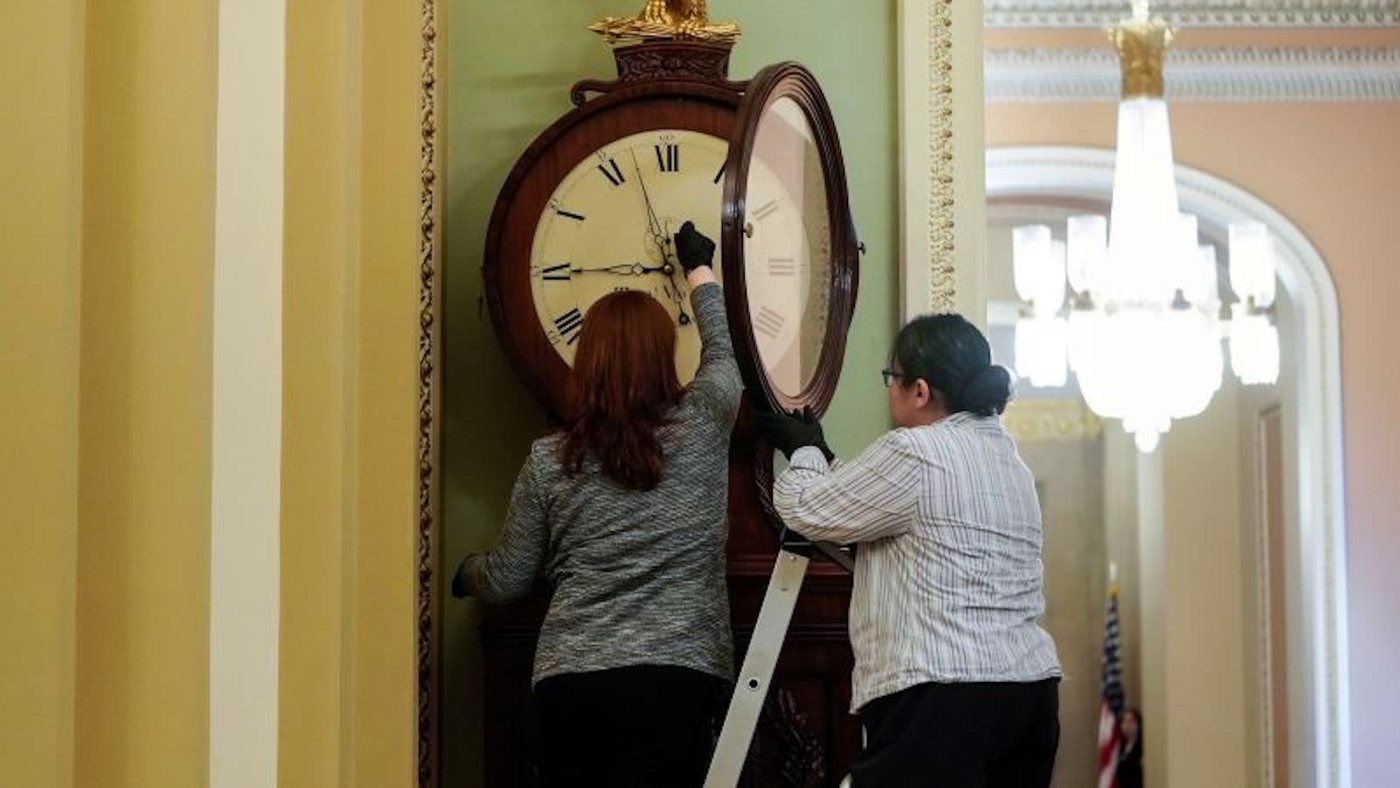
America’s longest-running household ritual may finally have a credible path to extinction: the House has voted to stop changing the clocks twice a year.
But there is a catch. People can agree that moving the clock is annoying and still end up fighting over which clock should win.
On July 14, the House passed the Sunshine Protection Act by 308 votes to 117. The bill would make daylight saving time effectively permanent across most of the United States. It went to the Senate the next day and was referred to the Committee on Commerce, Science, and Transportation. As of August 10, the Senate has not passed it.
So no, this is not the moment to throw away the instructions for changing the oven clock.
The proposal is popular because the lifestyle pitch is easy to understand. Imagine keeping the summer-style evening light through the whole year: more brightness after work, more time for outdoor plans, and no weekend in March when everyone complains about losing an hour.
President Donald Trump supports ending the twice-yearly switch and backed the House bill. Supporters in Congress also argue that later daylight could help recreation, business and public safety.
Then winter enters the chat.
Permanent daylight saving time does not create more sunlight. It moves the clock relative to the sun. In December and January, that can mean sunrise arriving very late by the clock in northern and western parts of the country. The same extra light people love at the end of the day has to come from somewhere, and the trade is darker mornings.
That is why sleep doctors are not celebrating the House bill. The American Academy of Sleep Medicine wants seasonal clock changes to end too, but it recommends permanent standard time instead. The American Medical Association has taken the same position.
Their reasoning is about the body clock. Morning light helps synchronize circadian rhythms. More light late in the evening can encourage the body to stay on a later schedule. From that perspective, permanent standard time fits human biology better even if it delivers sunsets that feel disappointingly early in winter.
There is also a very American legal wrinkle. States can currently decide not to observe daylight saving time, but the federal government does not let them choose permanent DST on their own. That is why 19 states have passed laws seeking year-round daylight saving time if Congress finally gives them permission, according to the National Conference of State Legislatures as cited by CNN.
And this country has seen the movie before. During the energy crisis of the 1970s, the United States experimented with year-round daylight saving time. Congress changed course in 1974 after the reality of dark winter mornings proved far less charming than the idea sounded in advance.
Today’s schedules, cars, schools and workplaces are different, so history does not automatically decide the argument. It does explain why “just stop changing the clocks” has been surprisingly hard to turn into law.
The House has finally picked a side: keep the summer clock. Sleep specialists are asking for the opposite permanent choice. The Senate now gets the least fun part of the debate — deciding which version of daylight Americans are actually willing to live with in January.
Image: U.S. Capitol staff reset a clock for a seasonal time change. Image source: CNN.
50