Business 3 min read By Morgan Griffin
Block the Merger Coalition Asks Judge for Time to Oppose Paramount-Warner Bros. Discovery Settlement
A coalition of groups opposing Paramount's $111 billion acquisition of Warner Bros. Discovery is asking a federal judge to set a briefing schedule so they can formally object to a proposed antitrust settlement they consider too weak. A judge has granted the coalition's administrative motions to file an amicus brief, delaying the settlement sign-off.

A coalition of groups opposing Paramount's $111 billion acquisition of Warner Bros. Discovery is asking a federal judge to establish a briefing schedule so they can formally object to a proposed settlement of the antitrust lawsuit that sought to block the transaction. The coalition argues the settlement, announced by a group of state attorneys general, is too weak to protect competition in the entertainment industry.
The request comes as a federal judge in California has granted the coalition's administrative motions to file an amicus brief, allowing the groups to present legal arguments in the case. The ruling, issued just hours before a scheduled court hearing on the settlement, effectively delays the sign-off on the deal and could push back the closing of the merger.
The settlement was announced by state attorneys general who had filed an antitrust lawsuit seeking to block the merger. Under the proposed consent decree, the states would drop their legal challenge in exchange for certain conditions. The Block the Merger coalition, however, contends those conditions are insufficient and wants the opportunity to argue its case before the judge approves the agreement.
The coalition filed an emergency request ahead of the hearing in California, seeking to oppose the acquisition. The motion for an amicus brief would enable interested parties to present legal arguments relating to the case, a step that could extend the timeline for the deal's completion.
The merger, valued at $111 billion, would combine Paramount and Warner Bros. Discovery, two of Hollywood's most prominent studios. The deal has drawn scrutiny from antitrust enforcers, industry observers, and public interest groups concerned about consolidation in the media landscape.
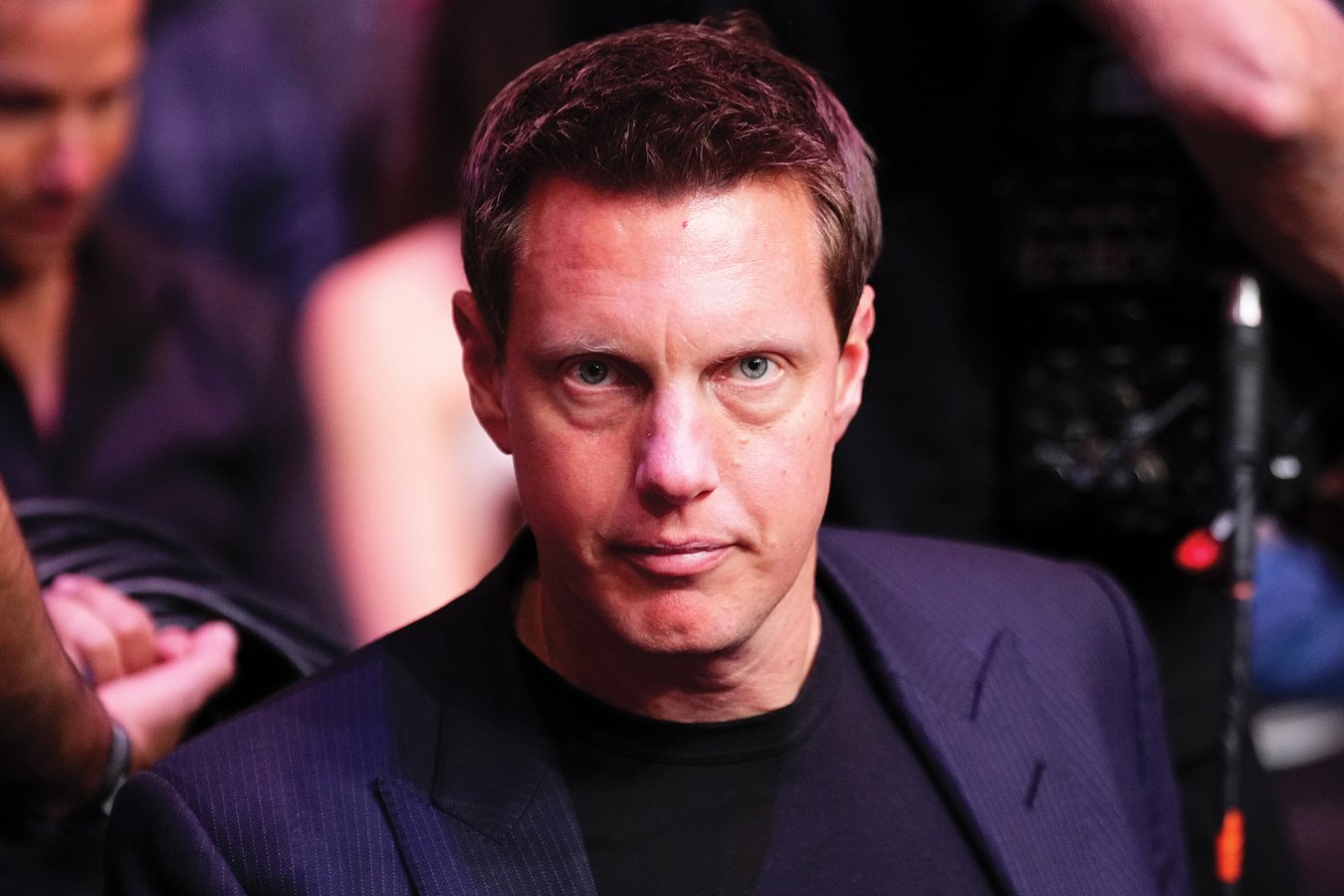
The legal maneuvering comes amid broader political attention on the transaction. David Ellison, the CEO who would lead the combined company, attended a state dinner at the White House on Thursday for China's president, Xi Jinping, alongside tech executives and President Donald Trump. Reporters from CNN, which would be owned by the merged entity, were again barred from the White House event.
The judge's decision to grant the administrative motions means the settlement will not be finalized immediately. The coalition now has an opportunity to formally oppose the agreement, and the court will need to consider its arguments before proceeding. The delay could prove costly for the companies involved, which have been working to close the deal.
The outcome remains uncertain as the court weighs the coalition's objections against the proposed settlement. For now, the merger's path to completion has been slowed, with the judge's ruling giving opponents a chance to make their case in court.
7