
Culture 4 min read By Morgan Griffin
Zach Cregger's Resident Evil Reboot Opens Strong With $8.8 Million in Previews
Zach Cregger's new Resident Evil film launches with franchise-best preview numbers and strong audience scores, while its relationship to the video game timeline remains deliberately complicated.
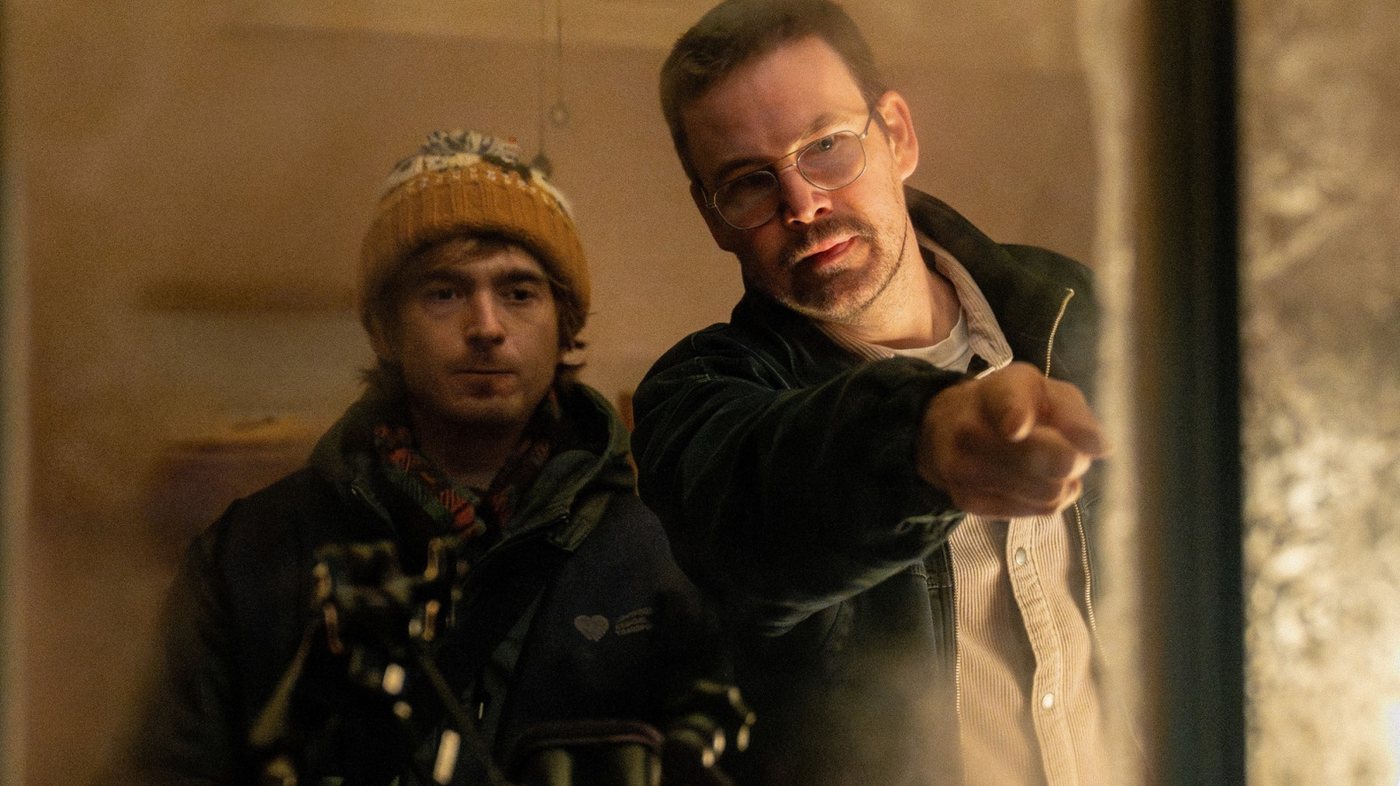
Zach Cregger's Resident Evil has arrived in theaters, and the reboot is already making its mark at the box office. The film pulled in $8.8 million in previews, the biggest preview haul ever for the long-running franchise, according to early industry estimates. It is projected to earn between $40 million and $50 million domestically in its opening weekend.
The movie, directed by the filmmaker behind Weapons, represents an original take on the horror video game series rather than a direct adaptation of any single game. That creative choice has been central to its marketing and to the conversation surrounding its release. The film follows Bryan, a medical courier who finds himself in a non-stop race for survival as one night collapses into chaos around him. Austin Abrams leads the cast as Bryan, with Paul Walter Hauser, Zach Cherry, Kali Reis, Johnno Wilson, and Devon Stewart rounding out the ensemble. Cregger wrote the screenplay with Shay Hatten.
Audiences appear to be responding. The film holds a 91% audience score on Rotten Tomatoes, while PostTrak exit polling from preview night showed a 4.5 out of 5 star rating. The movie played in 3,166 theaters on its opening night. Those numbers suggest the reboot has connected with both longtime fans of the games and newcomers to the franchise.
Where the film sits in the broader Resident Evil canon is a more complicated question. The games have built one of the longest-running horror series in the medium, and for years the film adaptations were the highest-grossing movie franchise based on a video game, a distinction that lasted until Universal's Super Mario movies took the crown. Cregger's version does not slot neatly into the established game timeline. It is neither a straight retelling of the early games nor a sequel to the previous film series. Instead, it functions as its own original story that draws on the franchise's iconography, creatures, and weapons while building a new narrative around a new protagonist.
That approach has not stopped fans from cataloging the video game references packed into the movie. From zombies to weapons to Easter eggs, the film is loaded with nods to the source material, rewarding players who know the series well. The result is a movie that exists alongside the games rather than inside their continuity, a distinction that has become a talking point among fans debating what counts as canon.
The stakes for Sony and Constantin, the studios behind the film, are significant. Resident Evil has been a reliable global brand for decades across games, films, and merchandise, and a successful reboot could open the door to further installments. The preview numbers and audience scores give the film a strong foundation heading into its first full weekend. Whether it can sustain that momentum will depend on word of mouth and how the complicated timeline question plays with general audiences who may not follow the games closely.
For now, Cregger's Resident Evil stands as both a franchise best in previews and a deliberate departure from the established canon. It is a reboot that respects the source material without being bound by it, and early returns suggest that balance is working in its favor.