Culture 4 min read By Mason Emerson
San Sebastián Film Festival Opens With Gaza Statement and Werner Herzog Tribute
The San Sebastián Film Festival opened with hosts calling for an end to genocide in Gaza and honoring Werner Herzog and outgoing director José Luis Rebordinos, as Spanish cinema enjoys a global breakout moment.
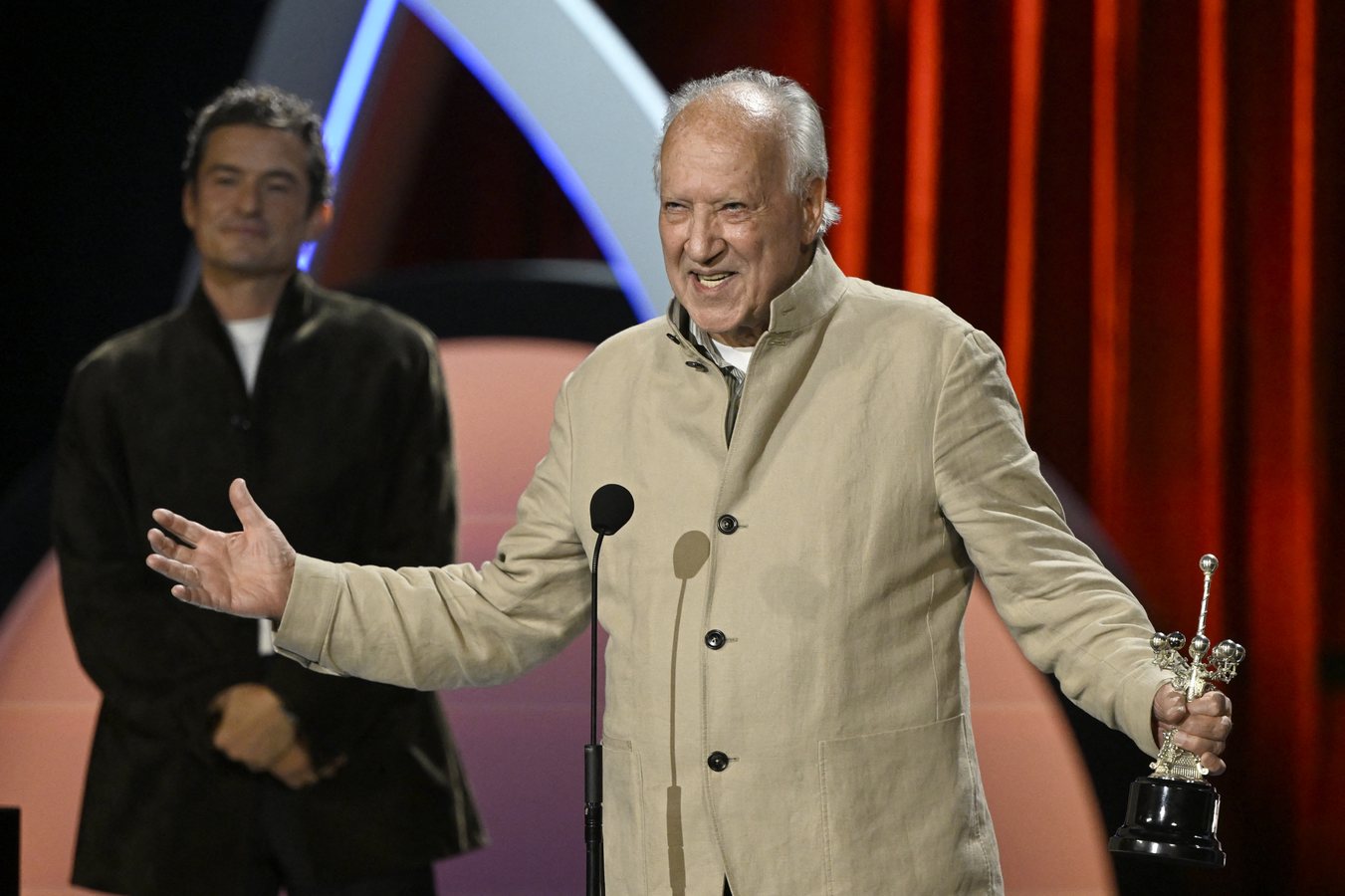
The San Sebastián Film Festival opened its latest edition with a politically charged ceremony, as hosts Fariba Sheikhan and Mariona Terés used their welcoming remarks to call for an end to what they described as genocide in Gaza and to express solidarity with the directors of the film «Naza,» Yuval Abraham and Rachel Szor.
«We join the myriad of voices calling for an end to genocide, like the one happening in Gaza,» the hosts said, according to remarks delivered during the opening gala. The statement placed the festival's opening night squarely within the broader cultural debate over the war, a recurring theme at European film events in recent seasons.
The evening also served as a tribute to two figures central to the festival's identity. German director Werner Herzog was honored, and the ceremony marked a farewell to José Luis Rebordinos, the festival's outgoing director, who has shaped its programming and public profile over many years. The dual recognition gave the opening a reflective tone, balancing political urgency with a look back at the institution's recent history.
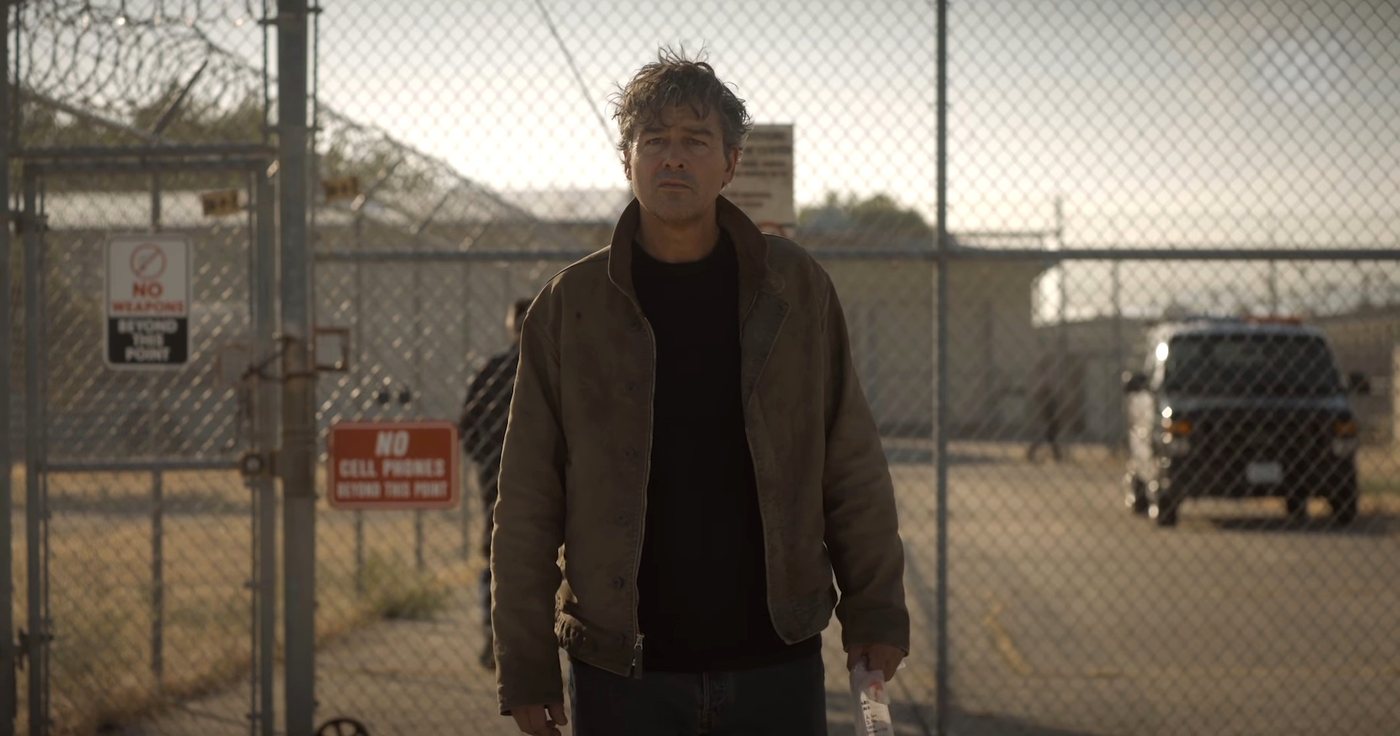
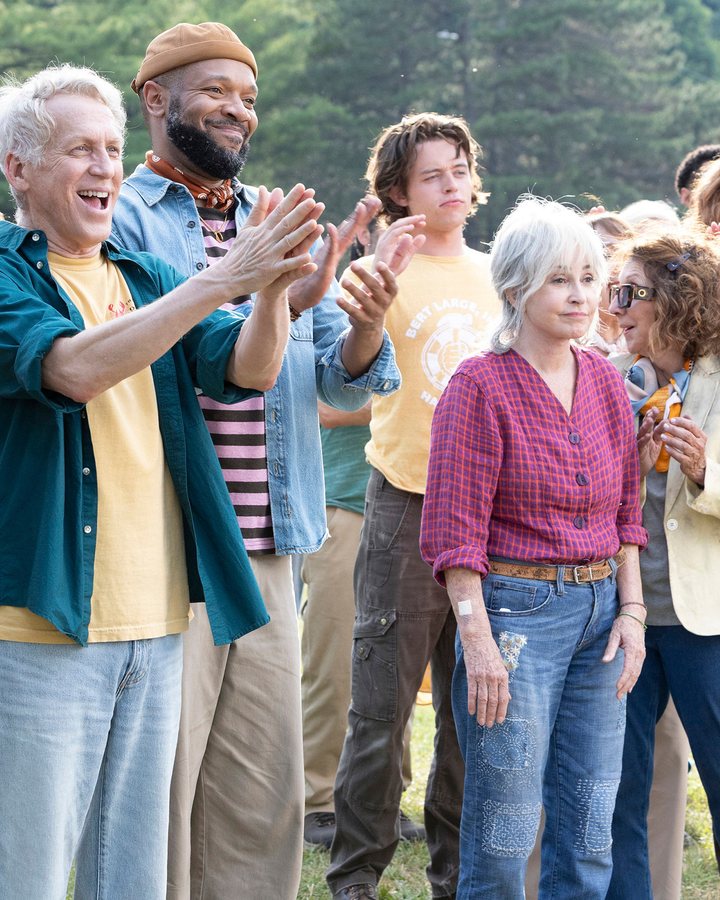
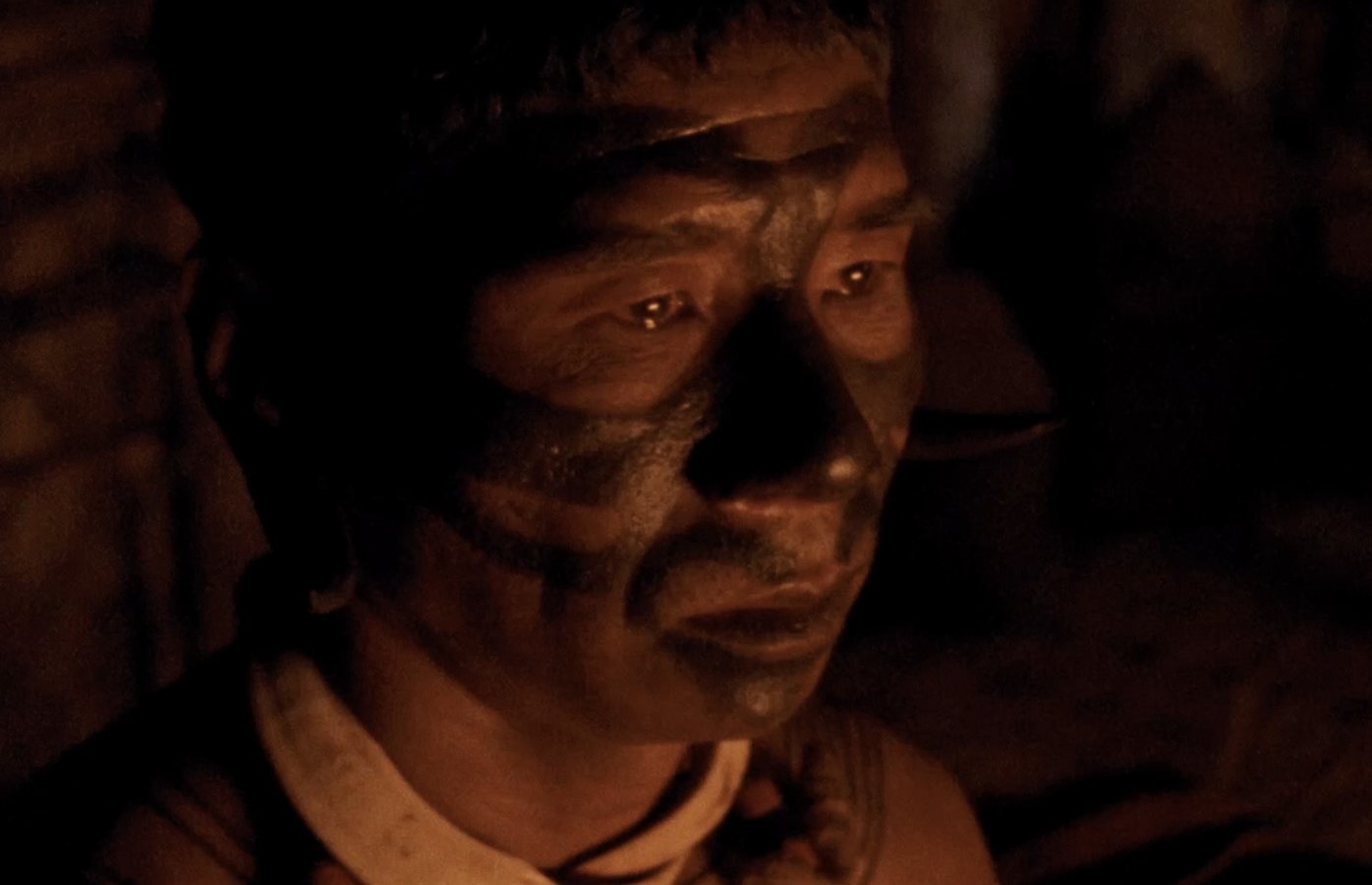
Herzog is at the festival presenting «Bucking Fastard,» a film starring Orlando Bloom alongside Rooney and Kate Mara, who play two deeply intertwined sisters. The director and his star spoke about the project during their time in San Sebastián, addressing a threesome scene involving Bloom and the Mara sisters. Asked about the sequence, Herzog and Bloom discussed its narrative role, with the director describing the film as having «such charm and depth.» The remarks added a lighter, star-driven counterpoint to the ceremony's political declarations.
The festival opens at a moment of unusual momentum for Spanish cinema on the international stage. Over the past year, Spain has secured five main competition berths at Cannes, more than any other country outside France, with the joint best director winner «La Bola Negra» now prominent in awards season conversations. That success has raised expectations for San Sebastián as a launchpad for Spanish and Latin American titles, and for the festival's role in connecting local production with global streaming platforms and distributors.
Television operators and streaming services have become increasingly central to that ecosystem, powering Spain's global breakout and reshaping how Spanish films reach audiences abroad. The festival's opening thus arrives with a dual mandate: to celebrate the creative community it has long championed and to navigate the political and commercial pressures that now define the international festival circuit.
Rebordinos's departure marks the end of an era for San Sebastián. Under his leadership, the festival consolidated its reputation as a key meeting point for European and Latin American cinema, and his farewell was woven into the opening ceremony alongside the tribute to Herzog. The combination of a political statement, a cinematic legend, and a leadership transition gave the night a distinctly transitional character.
As the festival continues, attention will turn to the films in competition and the industry conversations unfolding alongside them. But the opening ceremony made clear that San Sebastián intends to remain a venue where cinema, politics, and the shifting economics of the screen industry are addressed in the same breath.