Culture 4 min read By Trevor Kendall
«Angh» Wins Toronto Platform Award, a Lush Portrait of a Waning Naga Tribe in the 1960s
Theja Rio's debut feature, set in 1960s Nagaland and expanded from his 2021 short, takes the Platform Prize at the Toronto International Film Festival for its restrained study of indigenous identity under colonial modernity.
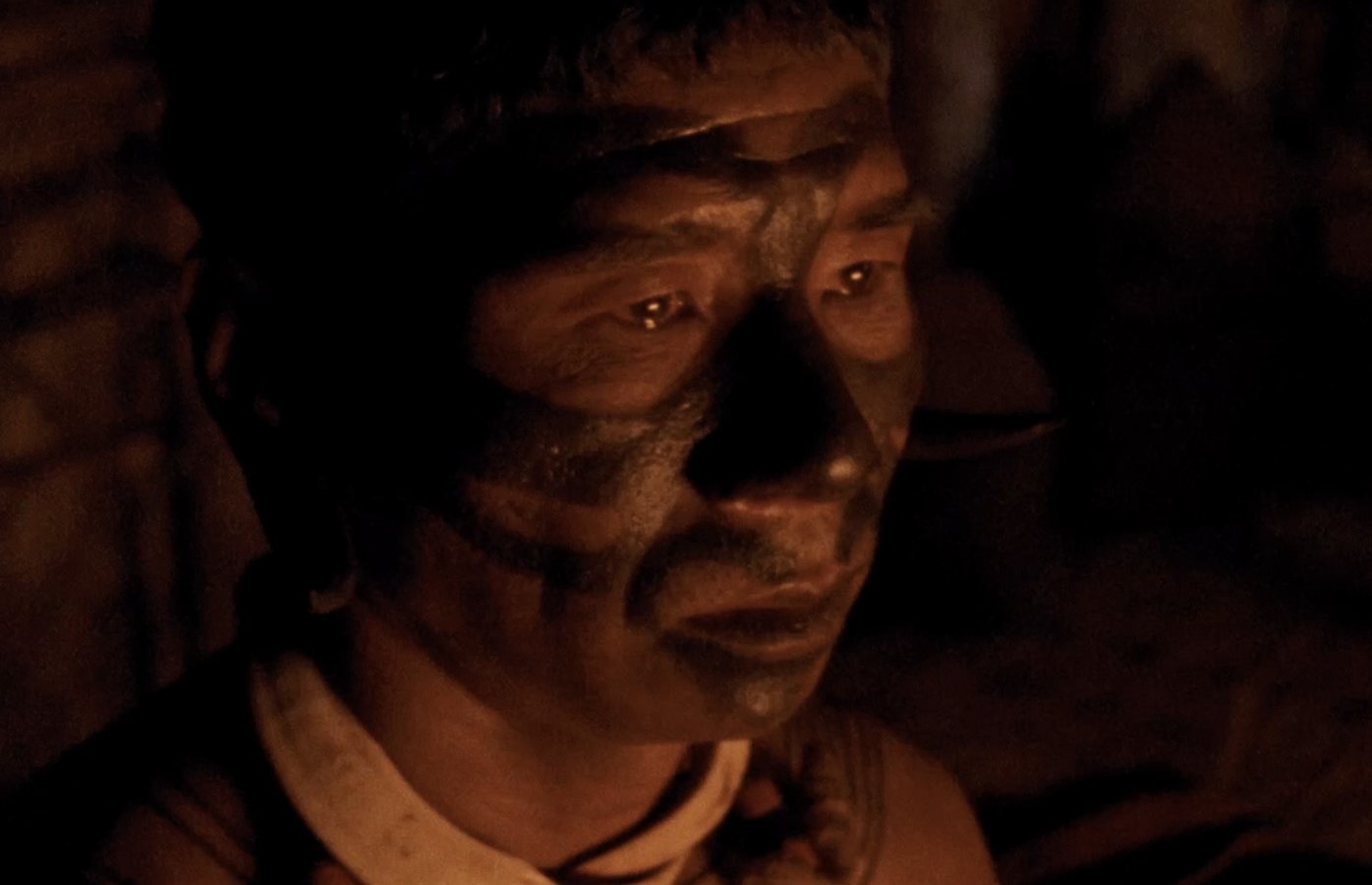
«Angh,» the debut feature from director Theja Rio, has won the Platform Award at the Toronto International Film Festival, capping a festival run that positioned the film as one of the year's most distinctive works of indigenous cinema. The prize recognizes a feature that, in the words of its own construction, forces its way into the hidden crevices between indigenous identity and colonial modernity.
Set in 1960s Nagaland, the eastern Indian state on the Burmese border, the film follows the principled chief of a waning tribe as his community confronts the pressures of a changing world. Rio expands on his own 2021 short film of the same name, carrying its concerns into a feature-length narrative that unfolds, as the review notes, with riveting restraint.
The result is a lush lament — a work that treats the erosion of a tribe not as spectacle but as an intimate, slow-moving loss. The tension between tradition and the encroaching forces of colonial modernity sits at the center of the story, and the film's formal control keeps that tension alive without melodrama. The chief's position, caught between duty to his people and the demands of a state and era not built for them, gives the narrative its moral weight.
Nagaland's place in the film matters. The state, perched on India's eastern frontier with Myanmar, has a history shaped by distinct tribal cultures, missionary influence, and a long-running political struggle over identity and autonomy. Placing the story in the 1960s locates it at a moment when those pressures were being renegotiated across the region, and the film uses that backdrop to examine what is preserved and what is surrendered when a community's world shrinks.
The Platform Award is one of the Toronto festival's juried honors, reserved for films selected for their bold formal and narrative vision rather than for star power or awards-season positioning. A win there can raise the profile of a first-time feature considerably, particularly for a director working outside the dominant commercial circuits. For Rio, the recognition arrives with his first feature, following a short that already signaled his interest in the same terrain.
Toronto's 51st edition wrapped with its top audience prize going to «La Bola Negra,» directed by Javier Calvo and Javier Ambrossi, with «I Play Rocky» as first runner-up and «Being Heumann» as second runner-up. The International People's Choice Award went to Simon Stone's «Elsinore.» Those results reflect the festival's dual character: a mass-audience bellwether on one side, and a curated platform for international and formally adventurous work on the other.
«Angh» belongs firmly to the second category. Its award places it alongside a lineage of films that use a specific, local story to speak to larger questions about land, memory, and who gets to narrate the past. By keeping its focus on a single chief and a single community at a single historical moment, the film resists the broad-stroke treatment that indigenous stories often receive in international cinema.
For audiences in the United States, the film arrives as part of a wider moment in which indigenous filmmakers from across the world are gaining visibility at major festivals. Nagaland's screen culture, meanwhile, has been developing its own voice within Indian cinema, and Rio's feature gives that regional perspective a prominent international stage.
The Platform Award does not guarantee distribution, but it does draw the attention of programmers, critics, and buyers who track the festival's juried selections. For a debut feature built on quiet observation rather than spectacle, that attention may prove as valuable as any single prize.