Business 4 min read By Trevor Kendall
Veteran Producer Warns Paramount-Warner Bros. Deal Could Sideline Independent Film
AGC CEO Stuart Ford argues that the proposed Paramount-Warner Bros. Discovery merger is being negotiated without regard for independent film and television producers, who could lose access to financing, distribution, and shelf space.
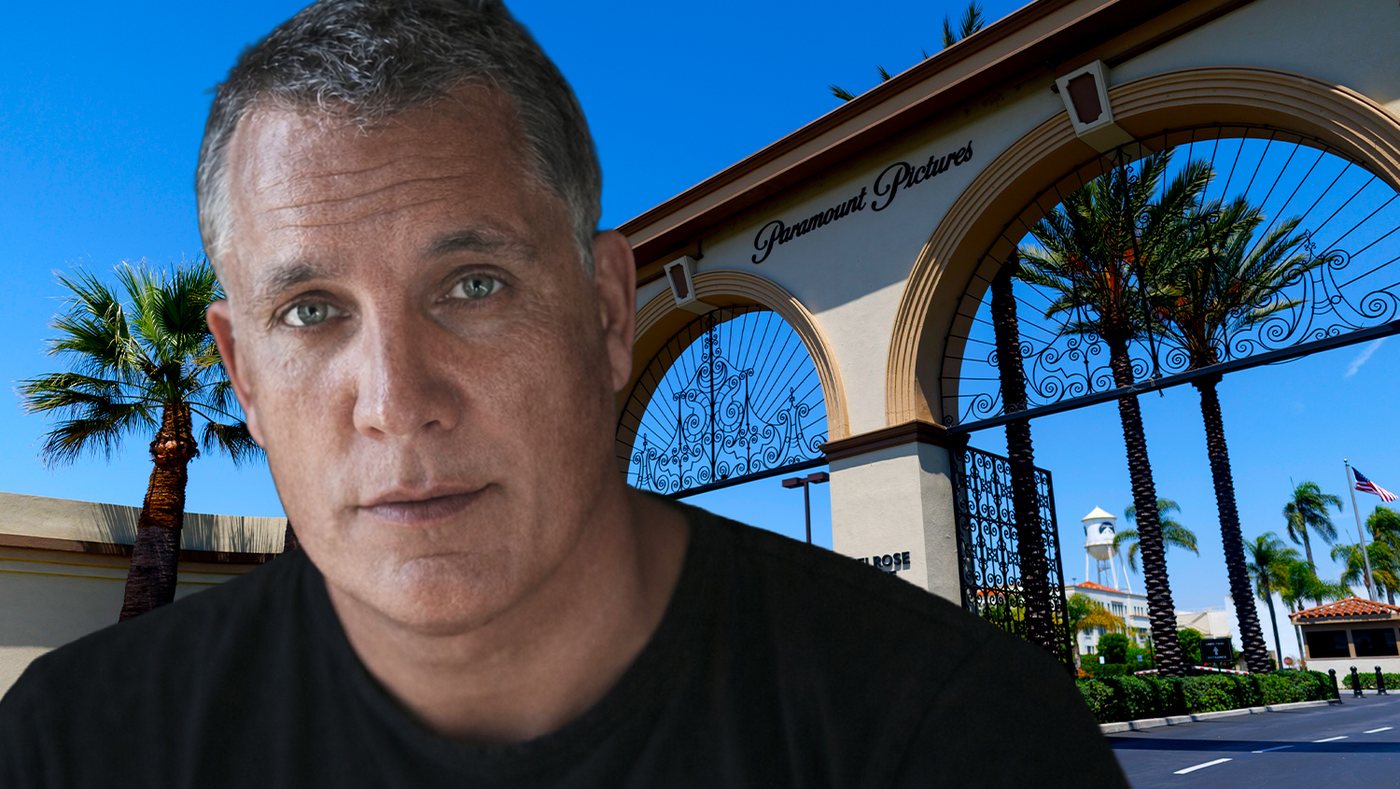
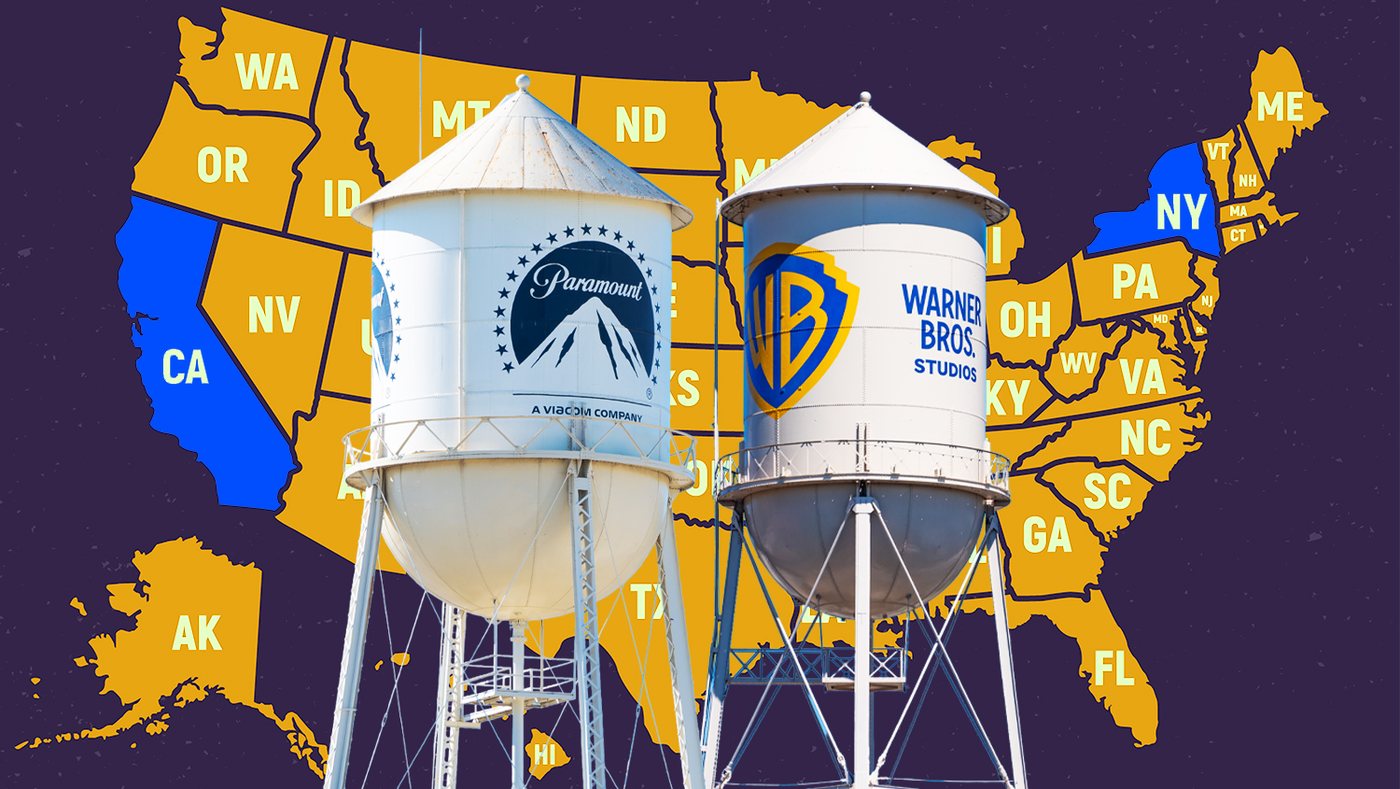
The proposed combination of Paramount and Warner Bros. Discovery is being negotiated with little attention to how it would reshape the independent film and television business, according to Stuart Ford, the chief executive and chairman of AGC Studios. In a guest column, Ford warned that the deal's architects are focused on the strategic logic of combining two major studios while overlooking the consequences for the smaller companies that supply much of the industry's output.
Ford, a veteran of the independent film scene who trained as a lawyer before working at Miramax and later running IM Global and AGC, said the independent sector already operates on thin margins and depends on a fragile ecosystem of buyers, financiers, and distributors. A merger of this scale, he argued, would concentrate even more power in the hands of a few large players, leaving independent producers with fewer places to sell their projects and less leverage when they do.
The concern is not limited to theatrical releases. Independent companies like AGC produce a steady stream of film and television projects that fill schedules across streaming platforms and cable networks. If two of the largest buyers merge, the number of potential customers for those projects shrinks, and the remaining buyers can dictate terms on pricing, rights, and marketing commitments. Ford suggested that this dynamic could push more independent producers toward financial instability or force them to abandon projects altogether.
Ford's column also raised questions about the timing of the deal. As media companies continue to consolidate in response to the streaming wars, independent producers have already seen budgets tighten and licensing deals become less generous. A Paramount-Warner Bros. combination would accelerate that trend, he wrote, because the merged entity would have both the incentive and the scale to prioritize its own in-house productions over acquisitions from outside suppliers.
The independent business is not a niche concern. It supports thousands of jobs, from crew members and post-production houses to sales agents and film festivals. Ford noted that independent films often serve as a training ground for new talent and a testing ground for stories that major studios consider too risky. If that pipeline narrows, the entire industry could feel the effects, including the major studios that rely on independent companies to develop emerging filmmakers and actors.
Ford did not call for regulators to block the deal outright, but he urged policymakers and industry leaders to consider its impact on competition and on the diversity of content available to audiences. He argued that any review of the merger should include testimony from independent producers, not just from the executives and bankers directly involved in the transaction.
AGC Studios, which Ford leads, has a busy slate of film and television projects, giving him a firsthand view of the pressures facing independent companies. His column reflects a broader anxiety in the independent community that the wave of consolidation reshaping Hollywood will leave fewer buyers, less financing, and fewer opportunities for the producers who operate outside the studio system.
Whether the Paramount-Warner Bros. deal ultimately proceeds, Ford's argument highlights a structural tension in the entertainment industry: as major studios seek scale to compete with technology giants, the independent businesses that feed the creative ecosystem may be left to absorb the costs. For now, Ford is asking the deal's architects to at least acknowledge that the independent business exists — and that its health matters to the industry as a whole.