Business 4 min read By Morgan Griffin
Block the Merger and Elizabeth Warren Accuse State AGs of Betrayal in Paramount Deal Talks
Opponents of Paramount's $111 billion acquisition of Warner Bros. Discovery are pushing back against reported settlement talks with state attorneys general and the Writers Guild of America, with Senator Elizabeth Warren calling any deal a win only for David Ellison.
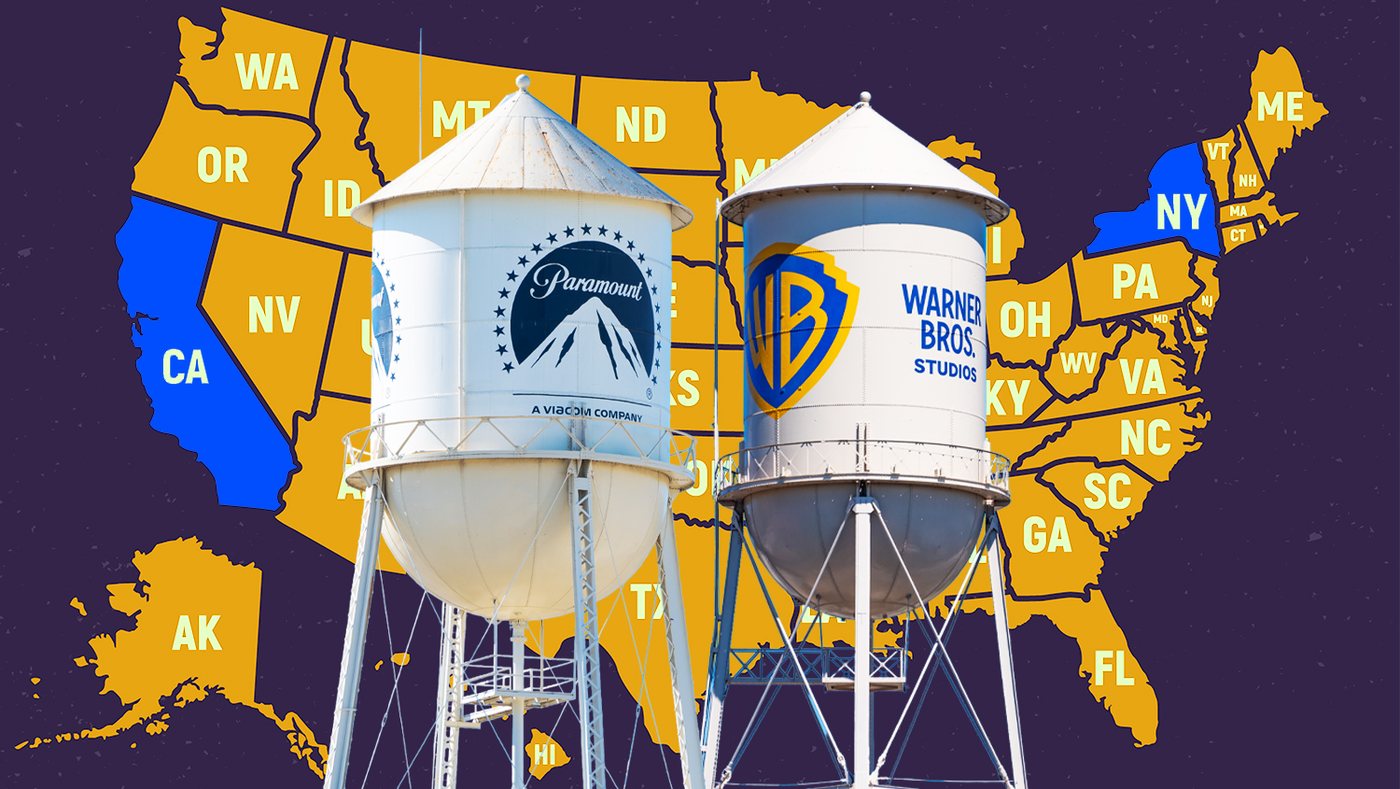
Opponents of Paramount's $111 billion acquisition of Warner Bros. Discovery are refusing to stand down as reports circulate that the company is negotiating a settlement with a coalition of state attorneys general and the Writers Guild of America to resolve an antitrust challenge to the deal.
Senator Elizabeth Warren and the advocacy group Block the Merger have publicly criticized the state attorneys general involved in the talks, accusing them of betraying the public interest by considering a resolution that would allow the merger to proceed. In a statement, the opponents framed any settlement as «a win only for David Ellison,» the Paramount heir and technology executive who is set to lead the combined company.
The antitrust action, brought by a group of state attorneys general alongside the Writers Guild of America, has been one of the most significant obstacles to the merger since it was announced. The deal would combine Paramount's film and television studios, cable networks, and streaming service with Warner Bros. Discovery's extensive portfolio, which includes HBO, CNN, and the Warner Bros. film library.
Warren, a longtime critic of corporate consolidation, has argued that the merger would reduce competition in the entertainment industry, harm consumers, and lead to further job losses in an already strained media labor market. Her intervention underscores the political stakes of the settlement talks, which have drawn attention from lawmakers, regulators, and industry watchers.
Block the Merger, a grassroots coalition of activists, consumers, and industry workers, has been organizing against the deal since it was first proposed. The group has argued that the merger would create a media giant with unprecedented control over news and entertainment, threatening diversity of voices and independent production.
The reported settlement talks, which surfaced over the weekend, have not been confirmed by Paramount or the state attorneys general. Details of any potential agreement remain unclear, including whether it would include conditions such as divestitures, behavioral commitments, or other remedies designed to address antitrust concerns.
Critics of the settlement process say that negotiating with the attorneys general behind closed doors undermines the public's right to know how such a massive consolidation would be regulated. They have called for transparency and for the case to proceed in court, where a judge could weigh the evidence and impose meaningful remedies.
The Writers Guild of America, which represents thousands of film and television writers, has been a vocal opponent of the merger, citing concerns about reduced competition for writers' work and the potential for a handful of companies to dominate the industry. The guild's involvement in the antitrust action has given the opposition a powerful institutional voice.
Paramount has argued that the merger would create a stronger, more competitive company capable of investing in content and competing with streaming giants like Netflix and Disney. The company has said it is cooperating with regulators and is committed to completing the transaction.
As the talks continue, the opposition from Warren and Block the Merger signals that any settlement will face intense scrutiny. The outcome could set a precedent for how the government handles major media mergers at a time when consolidation is reshaping the entertainment landscape.
For now, the deal remains in limbo, with both sides dug in and the public left to watch a high-stakes negotiation that could determine the future of two of Hollywood's most storied studios.