
Business 3 min read By Morgan Griffin
Congress Poised to Introduce Federal Film and TV Tax Incentive Bill
Bipartisan lawmakers are expected to unveil legislation as soon as Thursday creating a federal tax incentive for film and television production, following President Trump's endorsement of the idea as a way to bring shoots back to the United States.
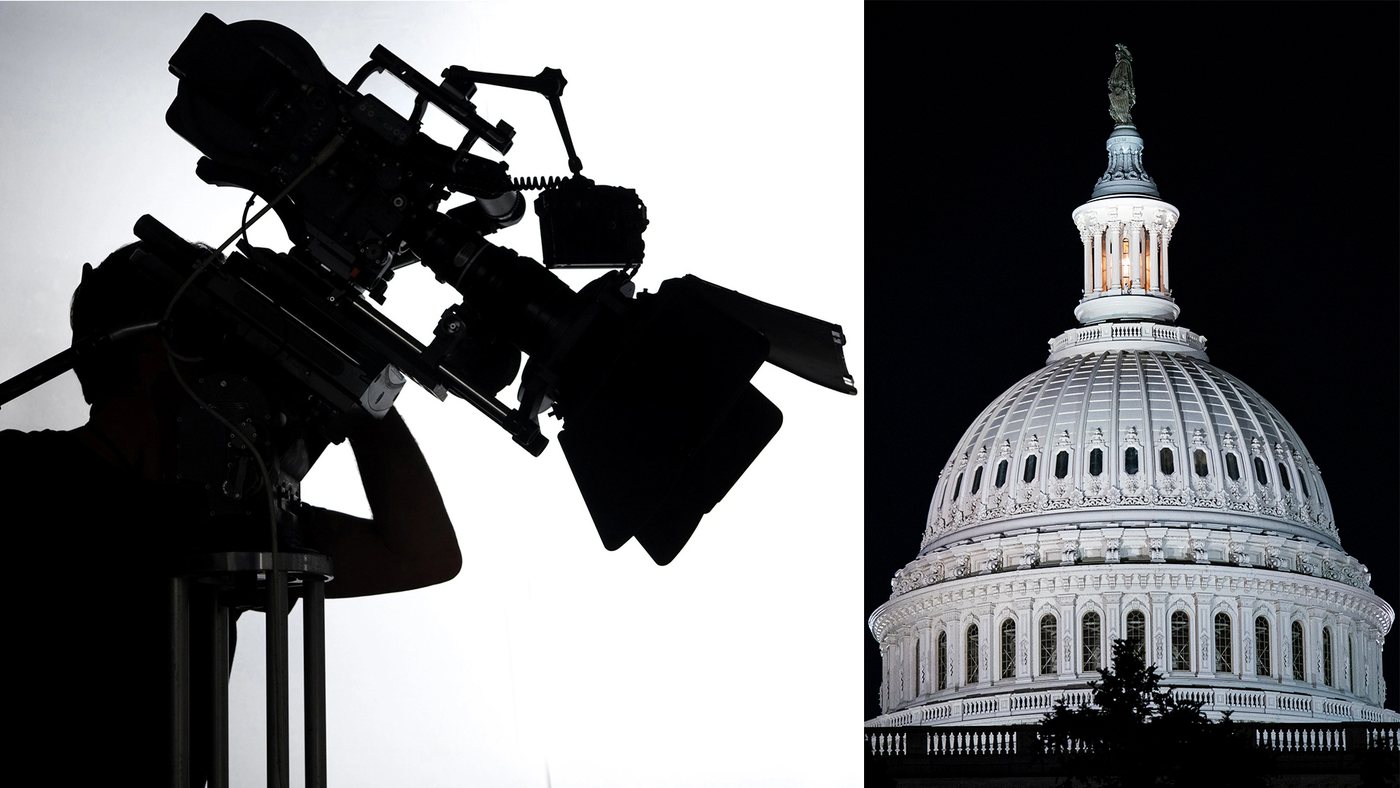
Lawmakers from both parties are expected to introduce legislation as soon as Thursday that would create a federal tax incentive for film and television production, according to people familiar with the plans. The bill would mark an unusual step for Washington, which has traditionally left production incentives to individual states and foreign governments.
The push has been anticipated since President Donald Trump publicly backed a federal incentive as a way to lure film and television shoots back to the United States. Supporters argue that a national credit would help counter the aggressive subsidy programs that have drawn Hollywood projects to Canada, the United Kingdom, Eastern Europe and elsewhere.
The legislation is still being finalized, and the exact size and structure of the incentive were not immediately clear. People familiar with the plans said the bill is expected to attract support from members of both parties, a rare area of potential agreement in a divided Congress.
For years, production has drifted abroad, driven by generous tax rebates and credits offered by other countries. States including Georgia, Louisiana and New York have built thriving production hubs through their own incentive programs, but industry groups have long argued that a patchwork of state credits cannot compete with national programs overseas.
A federal incentive would represent a significant shift in policy. Hollywood studios and production companies have lobbied for such a measure, arguing that it would create jobs and keep spending inside the United States. Critics of production subsidies, meanwhile, have questioned whether the economic benefits justify the cost to taxpayers.
The timing of the bill reflects broader anxiety in the entertainment industry about the volume of production leaving the country. The debate over runaway production has intensified as streaming platforms have commissioned fewer projects and as competition from international production hubs has grown.
The introduction of the legislation is only a first step. Any bill would need to move through committee, pass both chambers and be signed by the president before becoming law. Even with bipartisan interest, the path is not guaranteed, and the details of how the credit would be administered and paid for are likely to draw scrutiny.
If enacted, a federal film and television incentive could reshape where and how productions are made, affecting studios, unions, crew members and the states that have come to rely on production spending. For now, the expected introduction of the bill sets up a new phase in the long-running fight over keeping Hollywood at home.
15