Politics 4 min read By Lauren Baxter
Trump tells CBS he would have helped Republicans win the midterms
In a taped interview with CBS's Ross Douthat for 60 Minutes, Donald Trump blamed Republican candidates, economic messaging and the Iran war for the party's sweeping midterm losses, while conceding that his mass deportation policy was "too tough".
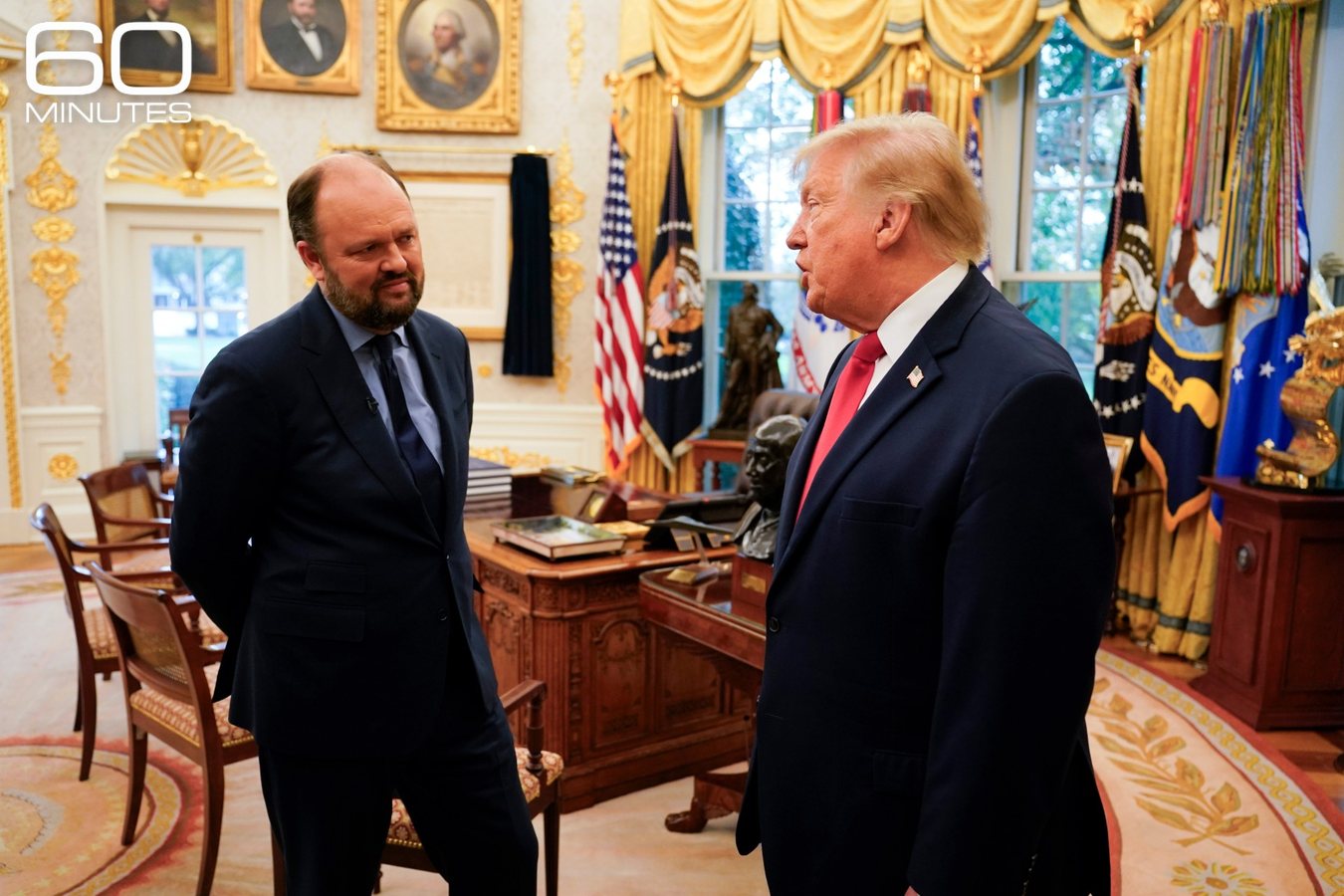
Donald Trump blamed Republican candidates, the Iran war and what he called "bad messaging" for the party's sweeping losses in the midterm elections, in his first sit-down interview since the defeats. The conversation with CBS correspondent Ross Douthat was taped for CBS's newsmagazine 60 Minutes, with broadcast slated for November 8.
The president argued that Republican candidates would have performed better had he been on the ballot himself. He attributed voters' negative views of the economy to poor communication rather than to conditions on the ground, a framing that puts the blame on how the administration has explained its record rather than on the record itself. The argument places the responsibility for the defeat on the party's messaging and its candidates, while keeping the president himself outside the frame of the losses.
Trump also offered a rare concession on immigration. He acknowledged that the mass deportation policy was "too tough", an admission that stands out given how central the policy has been to his political identity. The notes from the pre-broadcast reporting do not say what specific changes, if any, he would make to the policy, so the scope of that concession remains unclear from the material available.
The interview ranged well beyond the election. Douthat also questioned Trump about corruption, UFOs and the afterlife, subjects that were not tied in the reporting to the midterm results. On the subject of forgiveness, Trump said he does hate some of his enemies, a comment that reflected the combative tone that has defined much of his public life. The exchange gave the segment a reflective quality, moving from political analysis to personal conviction within a single conversation.
Trump was also asked about his finances and offered several explanations for earning $3 billion. The specifics of those explanations were not detailed in the pre-broadcast reporting available, and the $3 billion figure has not been independently verified. Without the aired segment, it is not possible to assess how the explanations were framed or whether they were challenged in the interview.
The midterm losses are a significant moment for the Republican Party, which faced voters after a period in which Trump had made his own candidacy and agenda central to the national conversation. The interview is the first sit-down he has given since those results, and it positions him as the figure who will shape the party's account of what went wrong. Republican candidates and their campaigns, who in Trump's telling were let down by the messaging, will be the focus of the debate that follows the broadcast.
The reporting on the interview is based on material released before the broadcast, so the full content of the segment has not been confirmed. The notes available do not include direct quotations beyond the phrases cited above, and the wider context of each remark has not been established. Readers should look to the aired version for the complete exchange, including how each answer was framed and whether Douthat pressed Trump on his explanations.
Source: deadline.com
4