
Business 6 min read By Mason Emerson
Chemotherapy Drug Shortage Rooted in Economics, Experts Say
Persistent shortages of the cancer drugs cisplatin and carboplatin stem from market pressures that leave manufacturers little incentive to keep producing them, according to supply-chain experts.
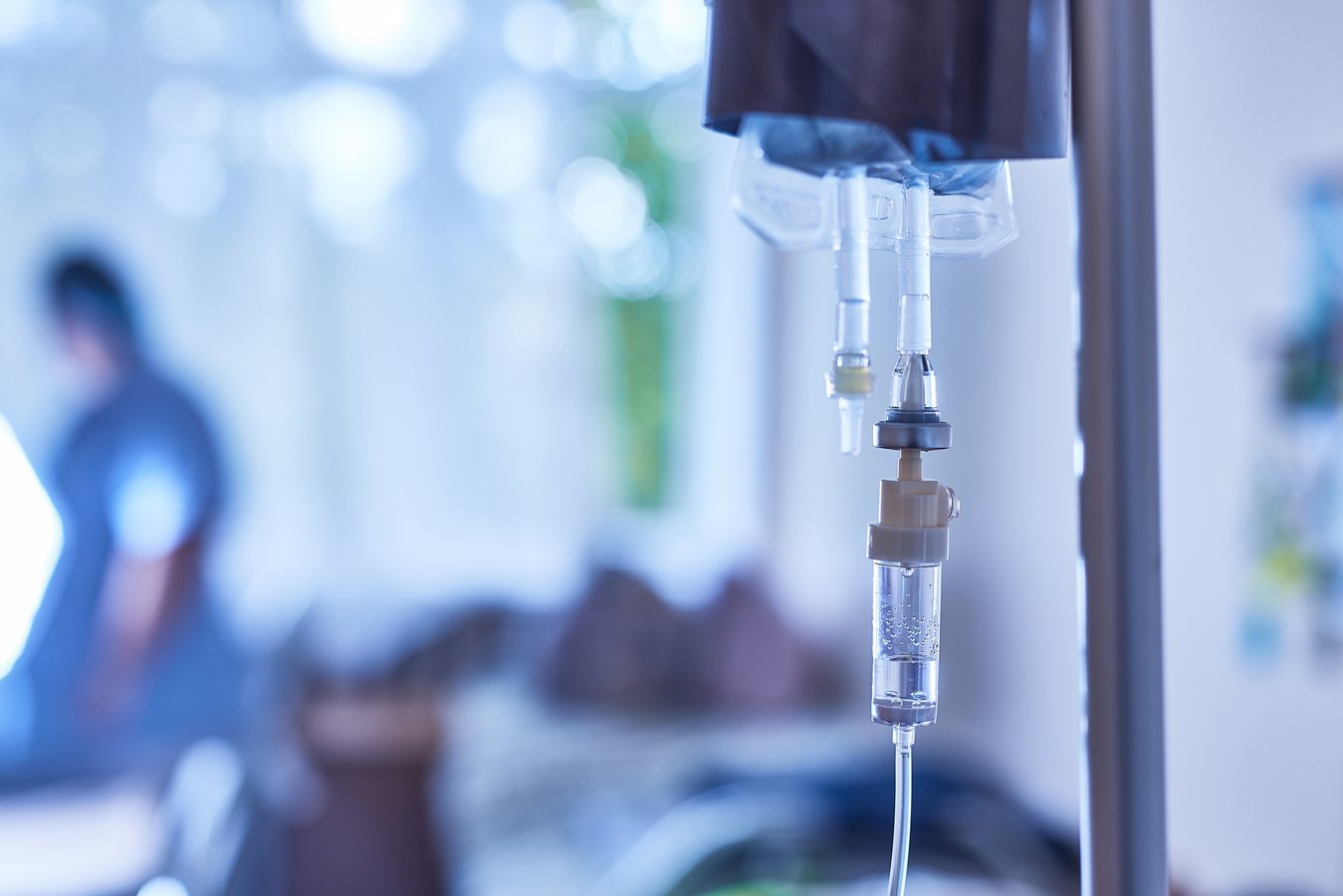
In the United States, the ongoing shortage of the chemotherapy drugs cisplatin and carboplatin has forced hospital pharmacists to scramble for supplies and pushed doctors into difficult conversations with patients — and experts say the root cause is economic, not clinical.
Cisplatin arrived on the market in 1978 and transformed cancer care, followed by carboplatin, a related drug with fewer side effects, in 1986. Together, the two generic medications are used in treatment plans for up to 20 percent of cancer patients, including those with ovarian, bladder, breast and lung cancers. Dr. Jacob Reibel, a medical oncologist at Dartmouth Cancer Center, described them as «the backbone for treatments for a lot of different types of cancer.»
But since 2023, hospital pharmacists in some parts of the country have struggled to source the drugs, calling other facilities to track down extra doses. In some cases, patients have received less-optimal alternative chemotherapy, or doctors have stretched existing supplies by spacing out treatment sessions more than usual. Some clinicians fear the shortages could make cancer more deadly.
A report released in June by the U.S. Pharmacopeia, a nonprofit scientific organization that sets quality standards for medicines, found that the average duration of drug shortages has more than doubled since 2019. Matthew Christian, the organization's director of supply chain insights, said shortages of this kind are rarely new problems.
«Back in 2019, the average drug shortage only lasted about two years,» he said. «But now when we look at the drugs that remain on the list, the average duration's over five years. In fact, 95% of drug shortages at the end of 2025 were holdovers from 2024. So current shortages — they're not new. It's old shortages that have not been resolved and show systemic issues in the supply chain.»
The economics of generic drug manufacturing are at the heart of the issue. Cisplatin and carboplatin require specialized sterile facilities, as well as significant investment and expertise, to produce. Because they are off-patent, any manufacturer is allowed to make them, and prices are set by market competition. U.S. hospitals and group-purchasing organizations typically hunt for the lowest-cost supplier, and the manufacturer that offers the lowest price can win a contract — but the buyer is under no obligation to guarantee a specific purchase volume.
That arrangement leaves manufacturers with little assurance of steady revenue. Stefan Scholtes, a professor of health management at the University of Cambridge, said companies can shift production lines to other drugs with higher margins when capital runs low. «Why would they carry on delivering [the chemo]?» he asked.
The pursuit of minimal cost has also pushed production overseas, concentrating both manufacturing and key ingredients in a small number of locations. That concentration, Scholtes said, creates a very fragile supply chain: «when a little thing happens, the whole thing falls over.»
Recent disruptions illustrate the fragility. Some global chemotherapy shortages have been triggered by a single plant going offline or failing a quality-control inspection. The war in Iran has also upended supply routes, making it harder for some of the few manufacturers of cisplatin and carboplatin to obtain ingredients. Christian noted that many drug ingredients come from China and India, and his supply-chain monitoring work found that 41 percent of drugs' key starting materials are made solely in China, meaning patients around the world depend on Chinese companies continuing to provide those inputs.
What's the way forward? Experts say the current incentive structure works against reliability. «Hospitals are heavily incentivized to find any drug that is the cheapest upfront cost,» Christian said. «But there's no real mechanism for hospitals to pay more to ensure greater resilience.»
Scholtes argues that essential generic drugs should be treated like a basic utility. «They should be cheap and high-quality. They are essential,» he said. Generic drugs in general, he added, should be like water coming from the tap.
That idea inspired a group of U.S. health systems to launch Civica, a nonprofit drug manufacturer based in Petersburg, Virginia, in 2018. Scholtes, who co-authored a paper about the venture, describes it as a «health care utility» capable of producing a small number of generic drugs in a U.S. facility at a sustainable cost. However, Civica currently does not make chemotherapy drugs.
Another company, Phlow Pharmaceuticals, was founded in 2020 to produce active pharmaceutical ingredients in the United States, aiming to reduce reliance on overseas sources. Experts say far more movement in this direction is needed — including contracts that commit buyers to purchasing set volumes, manufacturing sites closer to patients, and greater diversity and redundancy in supply chains — before doctors and patients can feel confident that cancer care will not be disrupted by shortages.