World 7 min read By Mason Emerson
US Tactical Wins in Iran Raise Strategic Doubts
Five months into the US-Iran conflict, American forces have scored repeated tactical successes against the Revolutionary Guard, but analysts warn that battlefield gains may not produce strategic victory as Tehran shows resilience and Washington faces questions about credibility, public support, and the risk of being distracted from China.
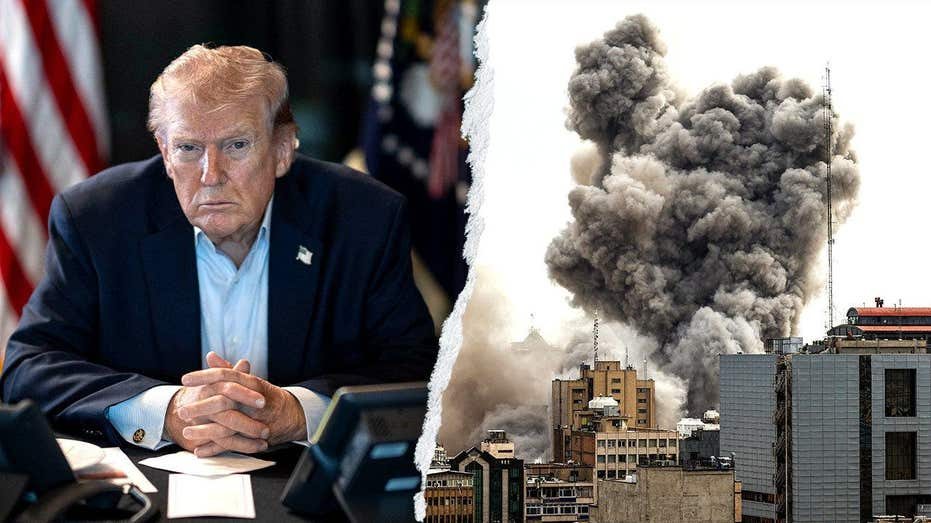
Five months into the U.S. military campaign against Iran, American forces are winning nearly every battle — yet the broader war remains very much in doubt, according to military strategists weighing the gap between tactical success and strategic goals.
U.S. air and naval power have inflicted heavy damage on Iran's military infrastructure. The Islamic Revolutionary Guard Corps has lost command centers, missile launchers, drone facilities, air defenses, coastal installations, logistics hubs, and key personnel. American service members have demonstrated professionalism, precision, and courage in operations that military observers describe as genuine tactical successes.
Military history, however, offers a sobering lesson: tactical victories do not automatically produce strategic success. That distinction has become increasingly important as the conflict's center of gravity shifts from degrading Iran's military and nuclear capabilities to questions of American credibility at home and abroad.
Iran has proven more resilient than many anticipated. Despite sustained bombing, its forces have dispersed, hardened underground facilities, moved to mobile missile launchers, and continued launching missiles and drones. Analysts note that determined adversaries often adapt faster than expected when fighting for regime survival.
Washington's campaign appears to assume that destroying Iran's senior leadership could trigger a system collapse. But the regime's endurance may run deeper, rooted in a revolutionary Islamist ideology reinforced by the clerical establishment, the IRGC, security organs, patronage networks, and a culture of martyrdom. Leaders can be killed and command posts destroyed, but bombs cannot extinguish an ideology that treats suffering as validation.
That is not necessarily a failure of American intelligence, analysts say. Rather, the theory of victory may have placed too much faith in decapitation and physical destruction when ideologically committed regimes often absorb punishment that planners assume will compel surrender.
The central question now is whether repeated battlefield success is producing the political outcomes Washington seeks. Each day brings another successful strike, another destroyed missile site, another IRGC facility reduced to rubble — yet Iran keeps fighting. The danger is not that America cannot destroy targets, but that it appears trapped in a cycle of retaliation without a defined political end state.
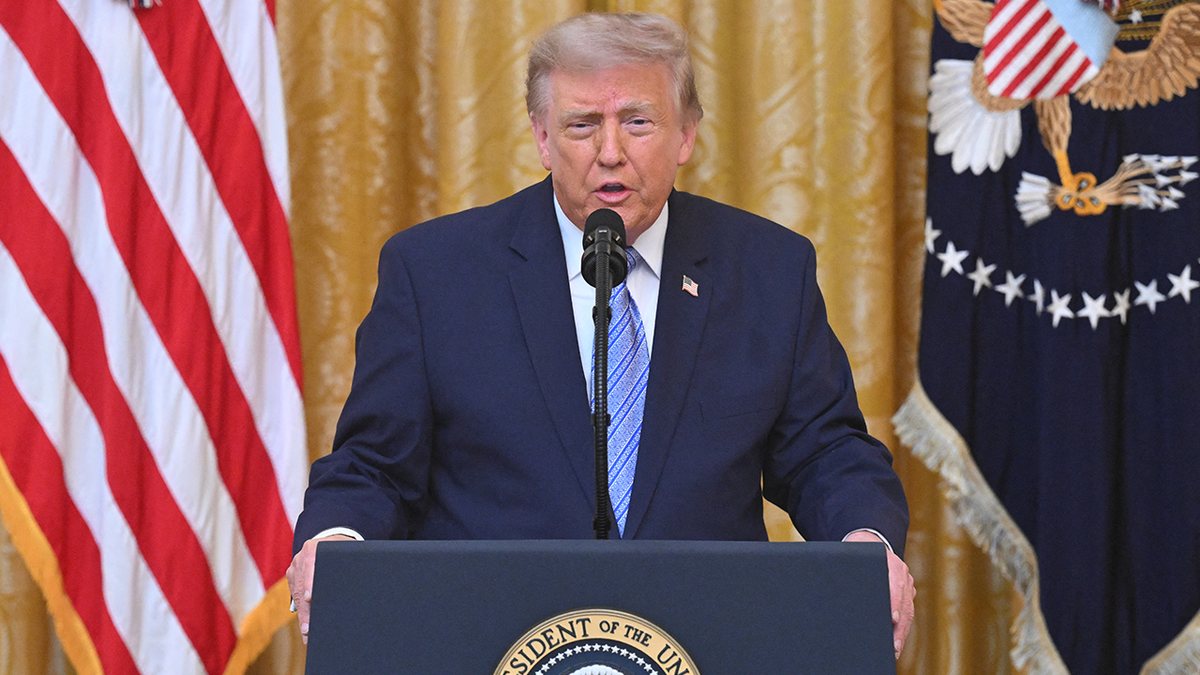
For President Trump, converting military success into political results has become the central challenge. His credibility, and increasingly America's credibility, is now the strategic center of gravity. Every warning, every red line, every promise of retaliation is evaluated not only by Tehran but also by Beijing, Moscow, Pyongyang, Jerusalem, Riyadh, Brussels, and American voters.
Credibility is among America's most valuable strategic assets. It is earned when military action consistently advances defined political objectives, and weakened when adversaries conclude they can absorb punishment while waiting for Washington's patience or public support to erode.
Domestic support deserves close attention. An AP-NORC survey found that roughly two-thirds of Americans believe the war has not been worth fighting, while only about one-third believe it has. Support has softened even among Republicans. Americans increasingly doubt the campaign has a clear destination and worry about its duration, cost, and expansion.
In a democracy, that matters. Public opinion should not dictate military strategy, but elected leaders cannot indefinitely sustain a costly conflict if Americans lose confidence in its objectives. If the trend continues, Iran could become a consequential midterm issue, especially if voters link the war to rising energy costs, strained resources, or distraction from border security, inflation, and competition with China.
America's allies are watching just as closely. Israel focuses on immediate security. Gulf Arab partners want energy infrastructure and navigation through the Strait of Hormuz protected. NATO allies want assurance that Washington can manage multiple crises without weakening deterrence elsewhere. Indo-Pacific allies are asking whether a war consuming American attention and resources changes Washington's long-term commitment to Asia.
That same question is being studied most carefully in Beijing. China is analyzing American logistics, missile defense, intelligence, precision strike capability, naval operations, industrial capacity, public opinion, and political endurance — watching how quickly the United States replenishes munitions and how democratic governments sustain support during prolonged conflict.
China is learning about America's strengths and searching for its limits. Beijing may conclude that America can destroy fixed targets but cannot easily convert firepower into political submission, and that dispersed missiles, hardened facilities, and prolonged conflict can strain American inventories and erode domestic consensus. China could apply those lessons in a confrontation over Taiwan.
Russia and North Korea are conducting similar assessments, but China has the greatest stake. Every month Washington remains heavily engaged in the Middle East is another month Beijing gains time to strengthen its position in the Indo-Pacific. For American strategists, that is the deepest concern: China, not Iran, poses the greatest long-term challenge to American security and prosperity.