World 4 min read By Morgan Griffin
US presses NATO allies to take on more of Europe’s defense
Pentagon policy chief Elbridge Colby held talks with defense leaders in Germany, Britain, Italy and Romania as Washington reviews U.S. troop numbers in Europe and presses NATO allies to carry more of the continent’s defense costs.
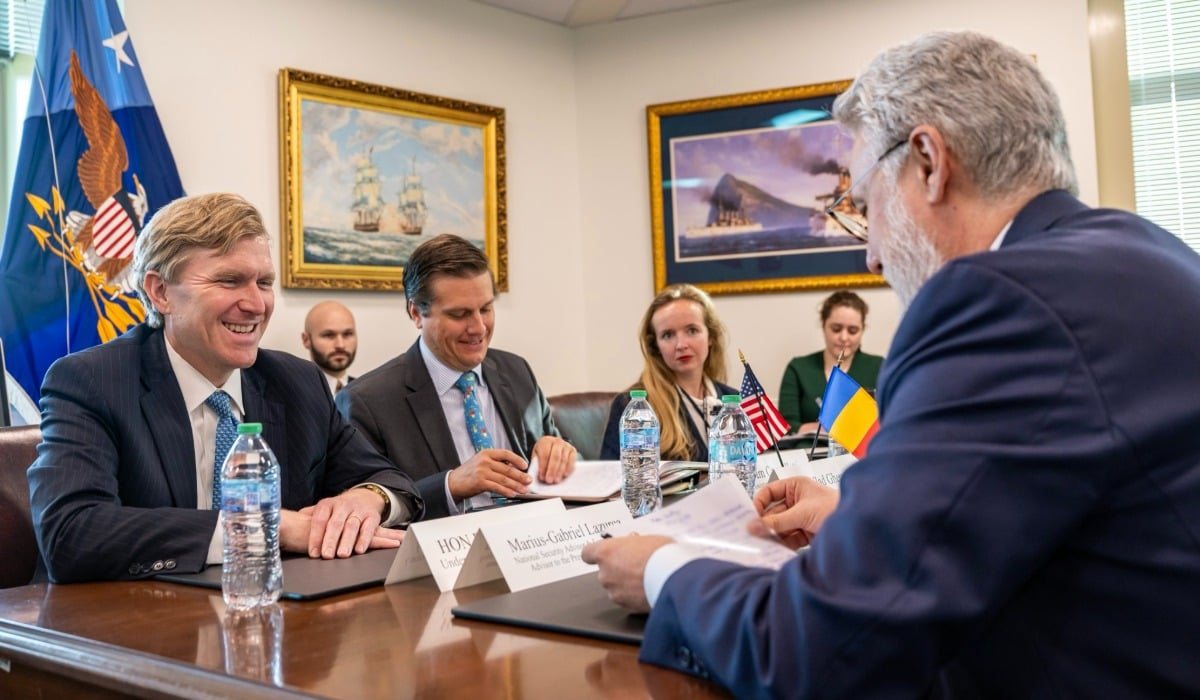
The Pentagon’s top policy official has spent a week meeting with defense leaders in Germany, Britain, Italy and Romania, laying the groundwork for a review that could reshape how many American troops remain in Europe and who pays for the continent’s defense.
Elbridge Colby, the U.S. under secretary of defense for policy, held talks with senior defense officials from the four allied countries as part of a broader push to get NATO partners to take on a larger share of Europe’s security. The meetings were designed to prepare for an internal review rather than to announce final decisions, signaling that the Pentagon is still defining its position before making changes to its military footprint across the Atlantic.
The review is expected to address two connected questions: the size of the American force presence in Europe and the financial responsibility of European allies. The choice of countries involved in the talks is notable because it spans different parts of the alliance. Germany and Britain are among NATO’s largest European military powers, Italy is a key ally in southern Europe, and Romania sits on the alliance’s eastern edge. By holding discussions in all four, Washington has signaled that it is looking at the issue from an alliance-wide perspective rather than focusing on a single region or partner.
Burden-sharing has long been a dividing line in transatlantic defense policy, and the latest meetings put that question back at the center of U.S. planning. The potential outcome of the review could lead to adjustments in U.S. troop numbers, allied defense spending, or both. Nothing has been announced yet, but the level of attention from Washington is clear: the Pentagon’s senior policy official personally engaged with leaders in four European capitals in the course of a single week.
The details of the conversations have not been disclosed. The official description of the trip points to a process that is still taking shape, with further work needed before concrete proposals are put on the table. What is already evident is that the United States is seeking a more balanced division of labor within NATO and wants European allies to prepare to contribute more to their own defense.
The talks also come at a time when NATO members are weighing military priorities and spending pressures. A shift in U.S. policy could influence decisions in allied capitals about defense budgets, force readiness and long-term planning. For the alliance, the review may mark an important step in redefining the relationship between the United States and its European partners, with the question of who pays for Europe’s defense emerging as a central theme of the next phase of NATO discussions. For now, the review remains in its preparatory stage, and what follows will determine whether the discussions translate into concrete changes in the American troop presence and in the financial commitments of allied governments.