World 6 min read By Mason Emerson
Trump Signals Support for NATO with F-35 and Patriot Missile Proposals
President Trump's discussions at the NATO summit about allowing Turkey back into the F-35 program and granting Ukraine a license to manufacture Patriot missile interceptors signal a strong commitment to the alliance and a strategic message to Russia.
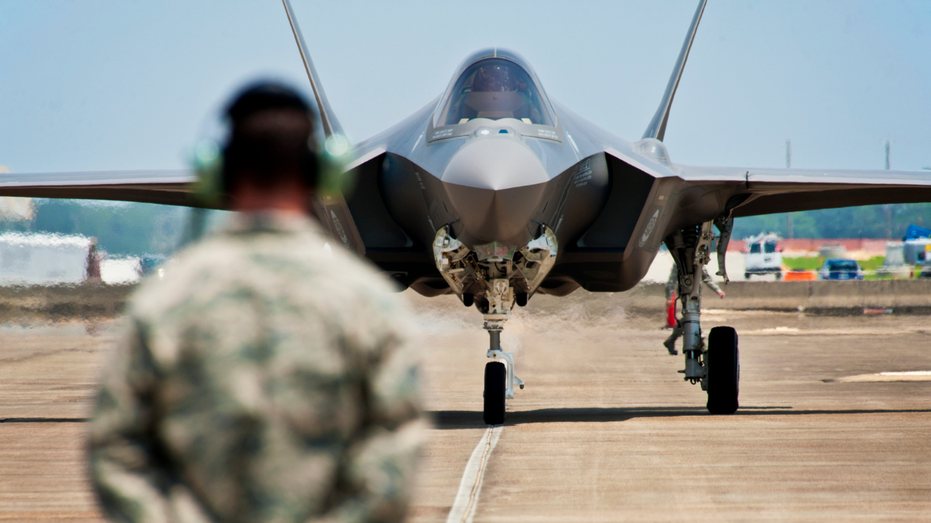
President Donald Trump has placed two American weapons systems at the center of NATO's strategic discussions: the F-35 fighter jet and the Patriot missile interceptor. During the NATO summit in Ankara, Turkey, Trump indicated he may allow Turkey to rejoin the F-35 program after its expulsion in 2019, and he stunned allies by suggesting Ukraine could receive a license to manufacture Patriot interceptors. These moves signal a renewed U.S. commitment to NATO and deliver a clear message to Russian President Vladimir Putin.
Trump's proposal to Ukraine came during a meeting with President Volodymyr Zelenskyy on July 8, when he said, «We're going to give a license to you to make Patriots. That's pretty cool. Right? This way you can't complain that we're not giving them enough. I'd say make them yourself.» The statement represents a major policy shift, as the U.S. has previously controlled the production and export of the sophisticated missile system. For Zelenskyy, the offer is a significant win, as Ukraine faces relentless Russian barrages that include dozens of ballistic missiles and hundreds of drones.
Despite the symbolic weight of Trump's words, experts caution that Ukrainian production of Patriot systems is not imminent. Boosting Patriot production is already a top U.S. priority, with the Army awarding Lockheed Martin nearly $10 billion last year to accelerate output of the most advanced variant. Subcontractor Boeing has built a new 35,000-square-foot facility in Huntsville, Alabama, to triple production of the Patriot missile seekers—the critical component that enables the interceptor to destroy incoming warheads through direct bodily contact. The Ka-band millimeter wave seeker must track moving targets with precision in all weather conditions, making it a feat of advanced engineering.
NATO and the U.S. have already shuffled Patriot batteries and interceptors to Ukraine from the Netherlands, Poland, and Germany, with Israel also contributing a batch. NATO Secretary General Mark Rutte said on July 6, «We are working from every angle» to increase the flow of Patriots. While Ukraine may not build entire systems soon, its firms could join the supplier base. Poland's defense company WZE was selected on May 28 to manufacture attitude control motors for the Patriot PAC-3, and lead contractor RTX has worked with 10 Polish companies to implement the Wisla system, integrating Patriots with Poland's missile defense network. Polish Defense Minister Wladyslaw Kosiniak-Kamysz wrote on X that Poland «signed an agreement with the U.S., Germany, the Netherlands and Sweden regarding the creation of a service centre of PAC-3 missiles for the Patriot system.»
On the F-35 front, Trump's openness to returning Turkey to the program marks a reversal from 2019, when Turkey was expelled after purchasing the Russian S-400 air defense system. At the time, experts worried that Turkey could fly F-35s near the S-400s to collect radar signature data or corrupt NATO's tactical data links. Turkish pilots were sent home from training in Arizona, and six paid-for F-35s were locked up. Trump noted on Tuesday that «Turkey has been in many ways much more loyal than other countries,» suggesting the operational security concerns have diminished. Turkey is now building its own «Steel Dome» missile defense system without Russian involvement, and F-35s with the Turkish air force could help deter Russia over the Black Sea and NATO's southern flank.
The F-35, shaped to be hard to detect on radar, has been ruling the skies over Iran and is capable of shooting down cruise missiles or carrying out precision ground attacks. Most top NATO air forces already fly or await deliveries of the jet. Turkey joined the program in 2002 and had plans to co-produce fuselage sections and other parts. The potential return of Turkey to the program would strengthen NATO's air power and send a strong signal to Moscow.
Trump's discussions come as Ukraine struggles to counter Russian ballistic missiles. Zelenskyy said on July 6, «Russia is placing its bets on ballistic weapons, and those who want peace must place their bets on protection against ballistic attacks.» Ukraine has been successful against drones but failed to intercept a single ballistic missile on Monday. The Patriot system, with its advanced seeker technology, is designed to address this threat. While a «Made in Ukraine» stamp on Patriot batteries is not imminent, the expansion of the supply chain to include Polish and potentially Ukrainian firms could accelerate production and bolster Ukraine's defenses.
Overall, Trump's proposals reflect a strategic pivot that strengthens NATO's defensive capabilities while challenging Russian aggression. The F-35 and Patriot systems, once symbols of alliance discord, are now positioned as tools for deterrence and cooperation. As NATO allies continue to support Ukraine and modernize their own forces, the decisions made at the Ankara summit could reshape the security landscape in Eastern Europe for years to come.