World 6 min read By Mason Emerson
Trump Orders Retaliatory Strikes on Iran After 2 U.S. Troops Killed in Jordan
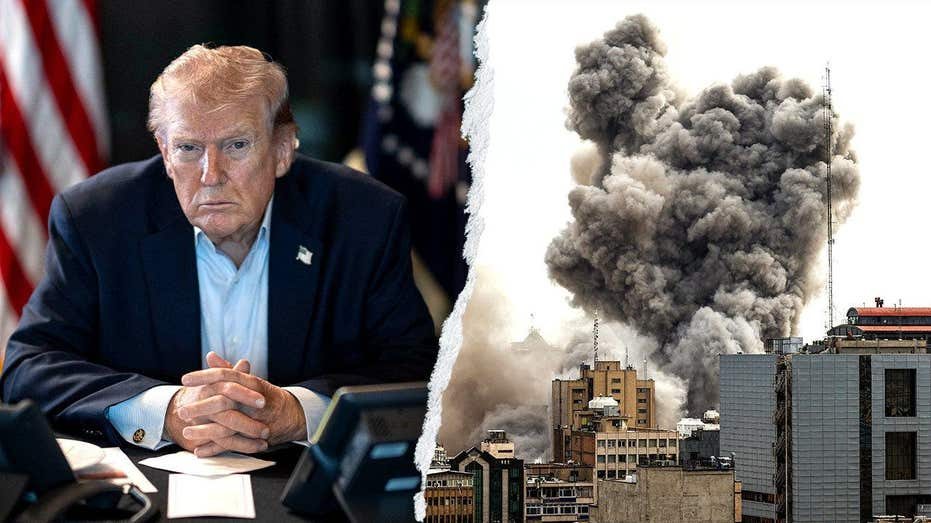
President Trump broke his silence on Friday after an Iranian attack killed two American service members in Jordan, the first U.S. combat deaths since an April truce. The U.S. launched retaliatory strikes early Sunday, escalating tensions in the region.
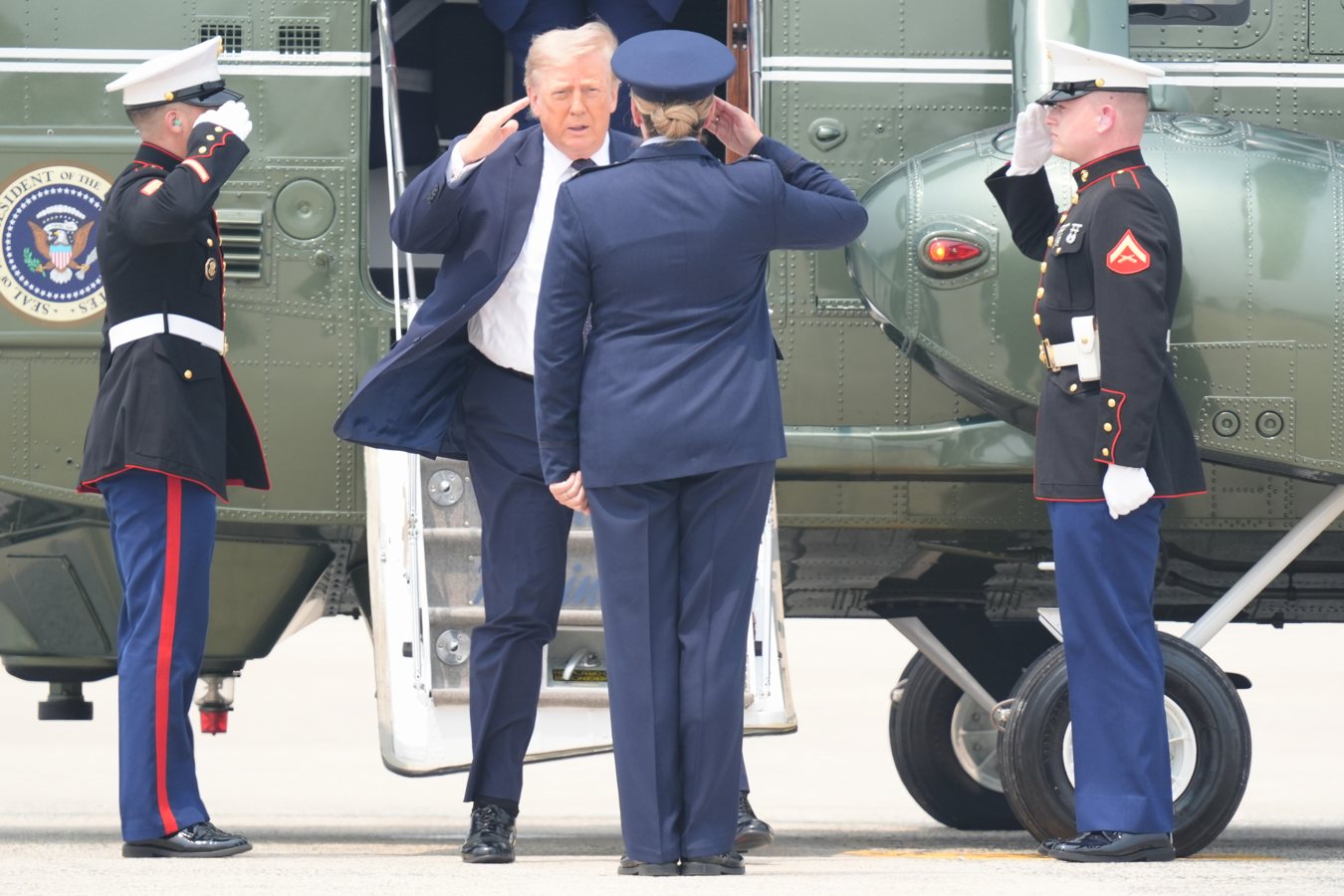
President Donald Trump broke his silence Friday evening following a deadly Iranian attack that killed two American service members in Jordan, marking the first U.S. combat deaths from hostile fire since an April ceasefire. In a forceful statement, Trump defended the ongoing military engagement and announced that the United States had launched retaliatory strikes against Iranian targets, vowing to hold the Islamic Republic accountable for the loss of American lives.
The attack, which occurred Friday, involved Iranian ballistic missiles and drones targeting U.S. forces stationed in Jordan. U.S. Central Command confirmed Saturday that two service members were killed while defending against the assault, and a third service member remains missing. The incident has sharply escalated tensions between Washington and Tehran, which had been observing a fragile truce since April.
Trump’s response came after a period of relative silence, during which the White House assessed the situation and coordinated with military commanders. In his remarks, the president expressed grief for the fallen soldiers and framed the strikes as a necessary measure to protect American interests and deter future aggression. «We will not stand by while our people are attacked,» Trump said, according to a transcript released by the White House. «Iran will pay a very heavy price.»
The retaliatory strikes, which began early Sunday local time, targeted Iranian military installations and infrastructure linked to the attack, according to U.S. defense officials. The operations involved a combination of air and naval assets, including long-range bombers and cruise missiles. Initial reports from the region indicated significant damage to the targeted sites, though Iranian state media downplayed the impact and warned of potential countermeasures.
The deaths of the two service members have reignited debate in Washington over the scope and strategy of U.S. military involvement in the Middle East. The April truce had been seen as a diplomatic achievement, reducing direct clashes between U.S. and Iranian forces. However, Friday’s attack shattered that calm, raising questions about the durability of any ceasefire with Tehran. Republican and Democratic lawmakers alike have called for a robust response, though some have urged caution to avoid a broader regional war.
Senator Josh Hawley, a Missouri Republican, used the moment to criticize Senate leadership for its handling of domestic priorities, but he also voiced strong support for the president’s military action. «We must stand with our troops and ensure they have the resources and support they need,» Hawley said in a statement. «Iran must understand that attacks on Americans will not be tolerated.»
The attack in Jordan is part of a broader pattern of Iranian aggression that has included support for proxy forces across the region, including in Yemen, Syria, and Iraq. U.S. intelligence officials have long warned that Iran’s ballistic missile and drone capabilities pose a growing threat to American forces and allies. Friday’s incident underscores the volatility of the region, where even a temporary truce can be shattered by a single strike.
In the aftermath of the strikes, the Pentagon has placed additional forces on alert and is reviewing force posture in the Middle East. Defense Secretary Lloyd Austin confirmed that the U.S. military is prepared to take further action if necessary. «We will continue to protect our personnel and interests,» Austin said in a briefing. «Our response will be measured but decisive.»
The international community has reacted with concern. The United Nations called for restraint from both sides, urging a return to diplomatic channels. European allies, while condemning the Iranian attack, have also expressed worry about the potential for escalation. Meanwhile, Iran’s mission to the United Nations denied any involvement in the Jordan attack, calling the U.S. accusations «baseless» and warning of «severe consequences» for the American strikes.
For the families of the fallen service members, the news has been devastating. The Pentagon has not yet released their names, pending notification of next of kin. Military officials have expressed condolences and pledged full support to the families during this difficult time. The missing service member remains a focus of search and rescue efforts, though conditions on the ground remain dangerous.
As the situation develops, the Trump administration faces the challenge of calibrating its response to deter Iran without triggering a full-scale conflict. The president’s decision to strike back quickly signals a willingness to use military force, but the long-term implications for U.S. strategy in the Middle East remain uncertain. Analysts note that Iran has historically responded to such strikes with asymmetric tactics, including cyberattacks or proxy operations, which could prolong the cycle of violence.
In Jordan, the attack has also strained the kingdom’s security posture. Amman has been a key U.S. ally in the region, hosting American forces and cooperating on counterterrorism. The incident has prompted Jordanian officials to review their own defenses and coordinate more closely with Washington. The broader regional impact could reshape alliances and influence the ongoing diplomatic efforts to stabilize the Middle East.