World 5 min read By Mason Emerson
Trump Administration’s Inaction on Travel Policies Helped Avoid World Cup Chaos, Travel Group Says
The U.S. Travel Association credited the Trump administration for not implementing certain travel fees and requirements, which helped ensure smooth operations during the 2026 World Cup, alongside proactive visa and security measures.
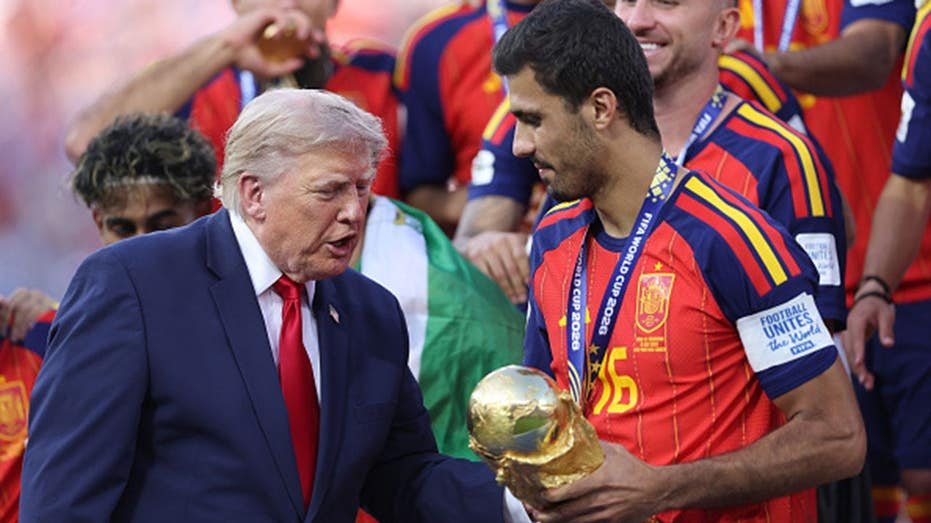
The 2026 FIFA World Cup avoided significant travel disruptions not only because of proactive steps taken by the Trump administration to expedite visas and tighten security, but also because of key policies it chose not to implement, according to the head of the U.S. Travel Association. Geoff Freeman, president and CEO of the organization representing more than 1,000 travel industry entities, wrote in a letter to President Donald Trump that decisions to hold off on certain travel-related measures were “equally as important” as the actions taken.
Freeman’s letter, obtained by Fox News Digital, highlighted that the Visa Waiver Program and the Electronic System for Travel Authorization processed over 5 million applications during the tournament without straining under record volume, while maintaining high security standards. He specifically praised the administration for not moving forward with the $250 per person Visa Integrity Fee, which Congress had created, arguing that visitors from countries like Argentina had more money to spend at American businesses such as Buc-ee’s or local barbecue restaurants as a result. The U.S.
Travel Association is a prominent Washington voice for the travel sector, describing itself as the national nonprofit representing “all components” of an industry worth approximately $2.9 trillion. Freeman’s letter, paired with data from Morning Consult, casts the World Cup as a tourism and public diplomacy success that extended beyond stadiums and host cities. The data found that more than 80% of World Cup travelers were interested in exploring areas beyond host cities, while 81% of Americans said watching international tourists experience American food, culture, and attractions made them proud to be American, and 86% reported feeling genuine joy seeing visitors enjoy themselves.
Among the other moves Freeman commended the administration for not taking were proposals to remove Customs and Border Protection officers from certain airports and newly proposed travel authorization requirements for Visa Waiver Program visitors. He noted that because CBP officers remained at airports, Americans returning from abroad and foreign fans, teams, and participants could be efficiently cleared through proper screening. Similarly, because new ESTA requirements were not implemented, visitors like Scotland’s “Tartan Army” arrived in record numbers, underwent strong vetting, and used social media to share positive experiences about their love for America.
The data memo accompanying the letter underscored why these avoided hurdles were significant. Four-in-five Americans said it is important for international tourists to have a positive experience in the U.S., while 61% said tourism reflects positively on America’s global reputation, and 50% said visiting the U.S. gives foreigners the most accurate picture of American culture—more than media, news, or online sources. Freeman described the welcome extended throughout the tournament as more than just “a moment of hospitality” but also an investment in the economy and the nation’s standing in the world.
The letter and data also pointed to the World Cup as a “blueprint” for future global events, with a poll finding that 70% of Americans want the U.S. to host more major events such as the Olympics, World Cup, and World’s Fair. The U.S. is set to host the 2028 Summer Olympics, the 2031 Women’s World Cup, and the 2034 Winter Olympics. White House spokesperson Davis Ingle praised President Trump’s leadership, stating that the World Cup generated billions of dollars in revenue, created a massive economic boost across host cities, and delivered a safe, secure, and seamless experience for millions of fans and athletes, calling it “one of the greatest and most successful sporting events in history.”