World 5 min read By Mason Emerson
Trump administration admits nuclear deal with Iran is increasingly unlikely
Senior U.S. officials have acknowledged that a nuclear agreement with Iran is becoming less probable, marking a rare concession from the Trump administration on a key foreign policy goal.
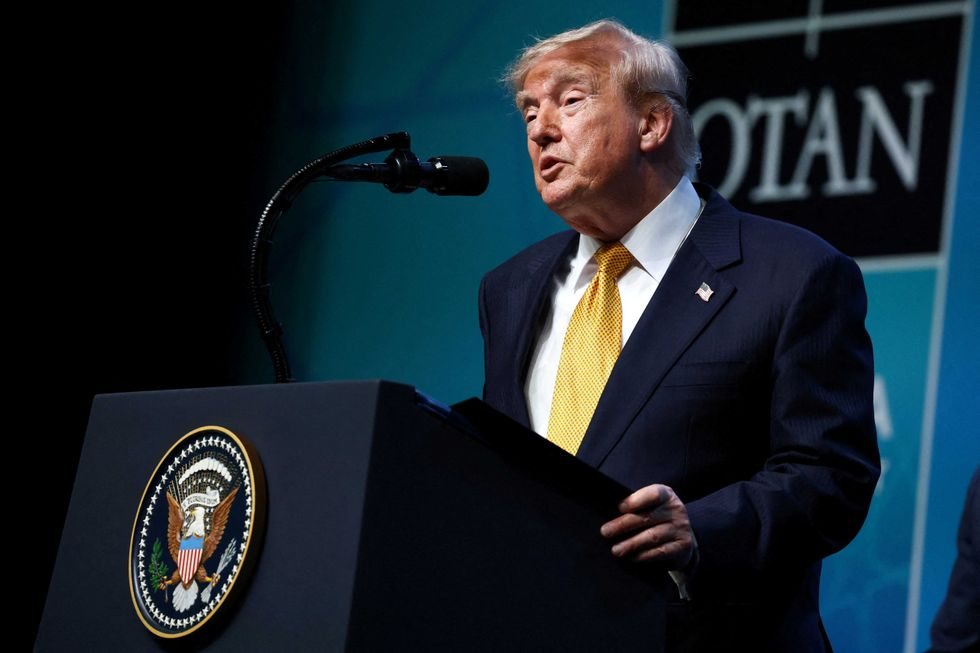
The Trump administration has made a rare admission that its efforts to secure a nuclear deal with Iran are faltering, with senior U.S. officials telling the Wall Street Journal that such an agreement is now «growing increasingly unlikely.» This acknowledgment comes as a significant shift for a White House that has long touted a nuclear accord as one of President Donald Trump's core foreign policy objectives.
According to the Wall Street Journal report, the officials expressed growing pessimism about the prospects for a deal that would limit Iran's nuclear capabilities. The talks, which have been ongoing under a memorandum of understanding, give both sides 60 days to reach a final agreement, a timeline that could potentially be extended. However, the current trajectory suggests that a breakthrough may not be forthcoming.
A key sticking point in the negotiations appears to be Iran's stockpile of enriched uranium. The Journal noted that a nuclear deal would be impossible unless Iran hands over control of its buried enriched uranium. U.S. officials have indicated that Washington has «low-cost military options to block access to the nuclear material forever,» underscoring the high stakes involved. Under the interim arrangement, Iran made no explicit promises to scale back its nuclear program but committed to working toward a satisfactory solution for handling its existing stockpile of highly enriched uranium.
The administration is also closely watching Iran's actions in the Strait of Hormuz, a critical waterway for global oil shipments. Senior officials expect Iran to release a statement declaring that it will stop firing at ships crossing the strait and keep it open. One official suggested there would be «serious consequences» if such a promise is not made by Saturday, though others did not indicate a firm deadline. This adds another layer of tension to an already fraught diplomatic situation.
President Trump himself has expressed uncertainty about the outcome of the negotiations. Earlier this week, he told reporters that Iran will «never build a nuclear weapon under our deal, but I don't know if we're going to have a deal.» His comments reflect the administration's wavering confidence in the diplomatic process, even as it continues to pursue a resolution.
The admission from senior officials marks a notable departure from the administration's typically bullish public stance on foreign policy. The Wall Street Journal described the acknowledgment as «rare,» highlighting the gravity of the situation. For months, the Trump administration has insisted that a deal was within reach, but the latest signals suggest that time may be running out.
Iran's nuclear program has been a source of international concern for years, with Western nations fearing that Tehran could develop a nuclear weapon. The Trump administration's approach has been to seek a more comprehensive agreement than the 2015 Joint Comprehensive Plan of Action (JCPOA), from which the U.S. withdrew in 2018. The current negotiations aim to address gaps in the previous deal, particularly regarding Iran's enrichment activities and ballistic missile program.
The potential collapse of the talks could have far-reaching consequences for regional stability and global energy markets. The Strait of Hormuz, through which about 20% of the world's oil passes, remains a flashpoint. Any disruption to shipping there could send oil prices soaring and trigger economic ripple effects worldwide.
Critics of the administration's approach argue that the maximum pressure campaign, which includes sweeping sanctions, has not brought Iran to the negotiating table on U.S. terms. Instead, Tehran has continued to expand its nuclear program, enriching uranium to levels that approach weapons-grade. The International Atomic Energy Agency has reported that Iran's stockpile of enriched uranium far exceeds the limits set by the JCPOA.
As the 60-day window for a final agreement ticks down, the path forward remains uncertain. The administration has not publicly outlined its next steps if the talks fail, but the mention of military options suggests that the White House is preparing for a range of scenarios. For now, the rare admission from senior officials signals that the diplomatic track is in serious jeopardy.