World 4 min read By Lauren Baxter
More Than 500 Rohingya Refugees Feared Dead After Boats Capsize Off Myanmar Coast
Officials report that more than 500 Rohingya refugees are feared dead after multiple boats capsized off the coast of Myanmar, prompting investigations into the tragic incident.
More than 500 Rohingya refugees are feared dead after multiple boats carrying them capsized off the coast of Myanmar, according to officials investigating the incident. The tragedy has drawn international attention to the ongoing plight of the Rohingya minority, who have faced persecution and displacement in the region.
Reports indicate that the boats, which were attempting to flee Myanmar, encountered rough seas and severe weather conditions, leading to the capsizing. Rescue efforts have been hampered by the remote location and limited resources, with authorities confirming that only a small number of survivors have been found so far. The exact number of passengers on each vessel remains unclear, but preliminary estimates suggest that over 500 individuals were on board across multiple boats.
The incident has sparked outrage among human rights groups, who have long warned about the dangers faced by Rohingya refugees attempting to escape violence and discrimination in Myanmar. Many of these refugees have been forced to undertake perilous sea journeys in overcrowded and unseaworthy vessels, often with little food or water, in hopes of reaching safer shores in countries like Bangladesh, Malaysia, or Indonesia.
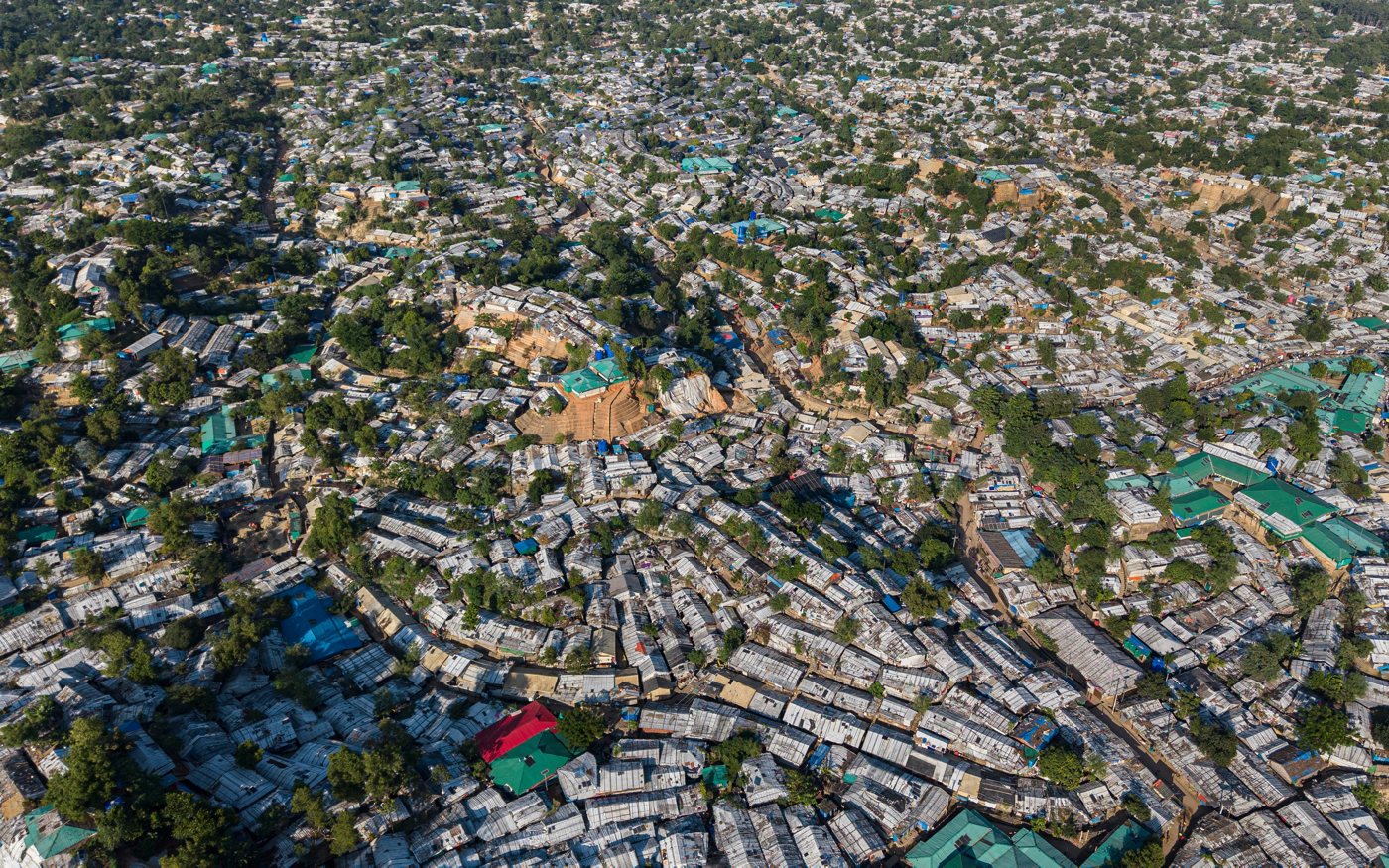
Myanmar's government has faced widespread criticism for its treatment of the Rohingya, a predominantly Muslim ethnic group that has been subjected to systematic persecution, including restrictions on movement, citizenship rights, and access to basic services. The United Nations and other international organizations have described the situation as a humanitarian crisis, with hundreds of thousands of Rohingya living in squalid conditions in camps in Bangladesh after fleeing earlier waves of violence.
This latest tragedy underscores the urgent need for a coordinated international response to address the root causes of the Rohingya crisis, including the ongoing conflict in Myanmar's Rakhine State. Local officials have launched an investigation into the capsizing, but details remain scarce as search and rescue operations continue. The survivors, who are reportedly in critical condition, have been taken to nearby medical facilities for treatment.
The Rohingya have faced decades of persecution in Myanmar, where they are denied citizenship and subjected to state-sponsored violence. In 2017, a brutal military crackdown forced over 700,000 Rohingya to flee to Bangladesh, where they now live in sprawling refugee camps. Despite international pressure, Myanmar has made little progress in addressing the grievances of the Rohingya community, and many continue to risk their lives on dangerous sea voyages in search of safety and a better future.
Humanitarian organizations have called for immediate action to prevent further loss of life, including increased maritime patrols and the establishment of safe corridors for refugees. The international community has also been urged to pressure Myanmar's government to end its persecution of the Rohingya and to hold perpetrators of human rights abuses accountable. As the investigation into the capsizing continues, the world watches with growing concern for the fate of the Rohingya people.