World 4 min read By Mason Emerson
Historic Taverns Where America's Founding Fathers Plotted Revolution
Several historic taverns that served as meeting places for America's Founding Fathers during the Revolutionary era still operate today as museums, restaurants, or both, offering visitors a chance to walk in their footsteps.
Some of the most pivotal ideas that fueled the American Revolution were discussed over drinks in colonial taverns, and several of these historic establishments still stand today, operating as museums, restaurants, or both. These gathering places provided a vital space for colonists to exchange news, debate politics, and organize resistance against British rule, with many becoming the unofficial headquarters for the Founding Fathers and other revolutionaries.
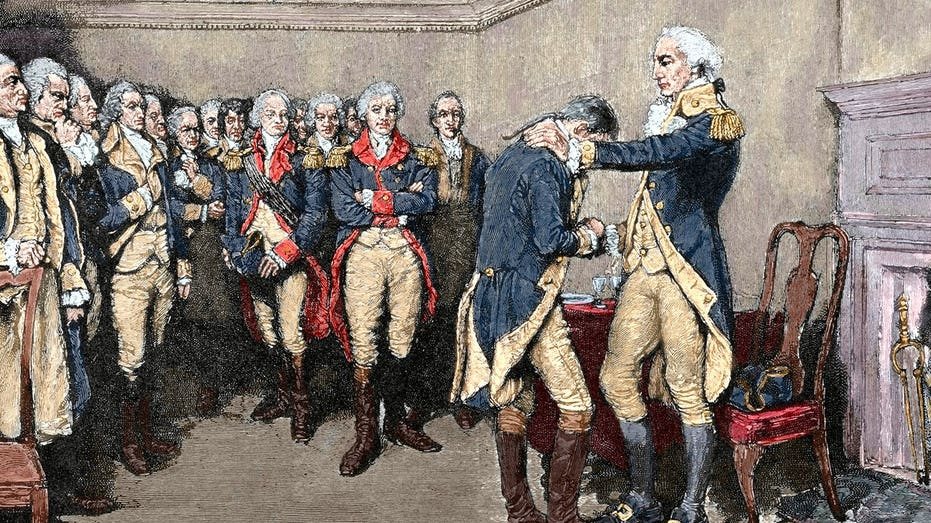
Fraunces Tavern in New York City's Financial District, built in 1719, is one of the most well-preserved remnants of the 18th century in the city. It is best known as the site of George Washington's emotional farewell to his officers in 1783, marking the end of the Revolutionary War. Today, the tavern operates as a restaurant, bar, and museum, and its website describes it as «a historic landmark and the oldest and most historic bar in the city.» Listed on the National Register of Historic Places, Fraunces Tavern once served as a watering hole for many of the Founding Fathers, and its menu features dishes such as New England clam chowder, fish and chips, steak, and burgers, alongside cocktails, beer, wine, and whiskey.
The Raleigh Tavern in Williamsburg, Virginia, founded in 1717, became one of the colony's most important gathering places in the years leading up to the American Revolution. When Virginia's royal governor dissolved the House of Burgesses in 1774, colonial lawmakers gathered at the tavern instead, continuing their debates in defiance of British authority. George Washington, Thomas Jefferson, Patrick Henry, and George Mason were among the colonial leaders associated with the tavern, which Colonial Williamsburg's website describes as a «one-stop shop» for travelers passing through the city. The reconstructed Raleigh Tavern is open to visitors as part of Colonial Williamsburg, where guests can explore the building and imagine the «most fateful conversations of the American Revolution» that took place in its Apollo Room.
Buckman Tavern in Lexington, Massachusetts, built in 1710, served as a hub of community life in colonial Massachusetts and was the site of many important town meetings. In the early morning hours of April 19, 1775, Captain John Parker and his militia assembled at the tavern before confronting British Redcoats on Lexington Green, an engagement that marked the opening of the Battles of Lexington and Concord. The tavern continued operating after the American Revolution before being repurposed several times and eventually becoming a museum. Today, visitors can explore Buckman Tavern to learn about Lexington residents before, during, and after the American Revolution, as well as view 18th-century artifacts.
These historic taverns offer a tangible connection to the revolutionary era, allowing modern visitors to walk in the footsteps of the Founding Fathers and experience the settings where key decisions were made. The Green Dragon Tavern in Boston, another important meeting place for revolutionaries, has been lost to time, but the surviving establishments serve as reminders of the role that taverns played in shaping American history. As the nation approaches its 250th birthday, these sites provide a unique opportunity to reflect on the ideals of liberty and independence that were forged in such gatherings.