World 5 min read By Lauren Baxter
Former U.S. Diplomat Criticizes Trump's NATO Comments on Russian Threat
Former U.S. Ambassador to NATO Nick Burns criticized President Trump's dismissive remarks about the Russian threat, arguing that the Atlantic Ocean no longer provides protection in the 21st century and that Trump's approach undermines alliance unity.
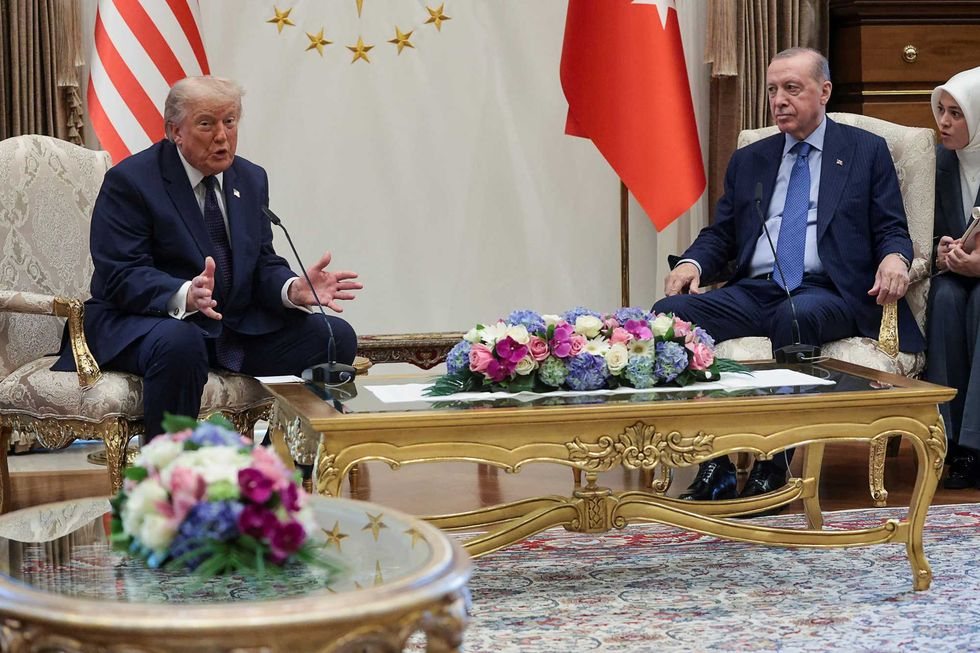
A former senior U.S. diplomat sharply criticized President Donald Trump on Tuesday for what he described as outdated and dangerous views on NATO and the threat posed by Russia. Nick Burns, who served as U.S. ambassador to NATO under President George W. Bush and later as ambassador to China, argued that Trump's recent comments reveal a fundamental misunderstanding of modern security challenges facing the alliance.
During an appearance on CNN, Burns reacted to Trump's statement that he was not concerned about Russia because «we have a thing called the ocean in between us.» Burns called the remark a relic of a bygone era. «He's living in some other century, but not the century we're living in,» Burns said. He emphasized that NATO remains critical to U.S. security and that the primary threat today comes from Russian aggression, not from across the Atlantic but from within Europe's borders.
CNN anchor Erin Burnett underscored the changing nature of warfare, noting that modern technology has rendered geographic barriers less relevant. «The world has changed dramatically, so has warfare even in recent months. We've seen that,» Burnett said, pointing to the ease with which drones can operate across oceans and borders. Burns agreed, arguing that Trump's worldview ignores the reality of 21st-century threats.
Burns also took issue with Trump's characterization of NATO allies, particularly his criticism of European defense spending. While acknowledging that some European nations have increased their military budgets in recent years, Burns said Trump's rhetoric fails to recognize the progress made. «It's as if he's talking about a Europe of three or four or five years ago, not the Europe of today,» Burns said. He noted that many NATO members have boosted spending in response to Russian actions in Ukraine and other security concerns.
The former diplomat also condemned Trump's personal attacks on allied leaders, including the Italian prime minister, French president, German chancellor, and British prime minister. «You catalog the abusive comments he's made, the sarcastic comments, the critical comments personally about a number of NATO leaders; we've never had an American president do that,» Burns said. He contrasted Trump's approach with that of past U.S. presidents such as Harry Truman, Dwight Eisenhower, John F. Kennedy, and Ronald Reagan, who he said would never have engaged in such personal criticism.
Burns's comments come amid ongoing tensions between the Trump administration and NATO allies over burden-sharing, trade disputes, and differing views on Russia. The alliance has faced internal strains since Trump took office, with the president repeatedly questioning the value of NATO and threatening to reduce U.S. commitments. European leaders have sought to maintain unity while navigating the unpredictable U.S. stance.
The broader context of Burns's critique reflects a growing concern among foreign policy experts that Trump's approach could weaken the alliance at a time when Russia is perceived as increasingly assertive. NATO has expanded its presence in Eastern Europe and conducted joint exercises to deter potential aggression, but the alliance's effectiveness depends on solidarity among members. Burns warned that Trump's dismissive attitude could embolden adversaries and undermine collective defense.
In response to Trump's comments, some NATO officials have privately expressed frustration, though public statements remain measured. The alliance is scheduled to hold its next summit in 2025, where leaders are expected to discuss defense spending targets, regional security, and the future of transatlantic relations. Burns urged the administration to engage constructively with allies rather than alienate them through personal attacks and outdated assumptions.
Burns's remarks highlight a persistent divide between Trump's transactional view of alliances and the traditional diplomatic approach that emphasizes shared values and long-term cooperation. As the 2024 presidential election approaches, the future of U.S. foreign policy remains a central issue, with implications for NATO's cohesion and global security architecture.