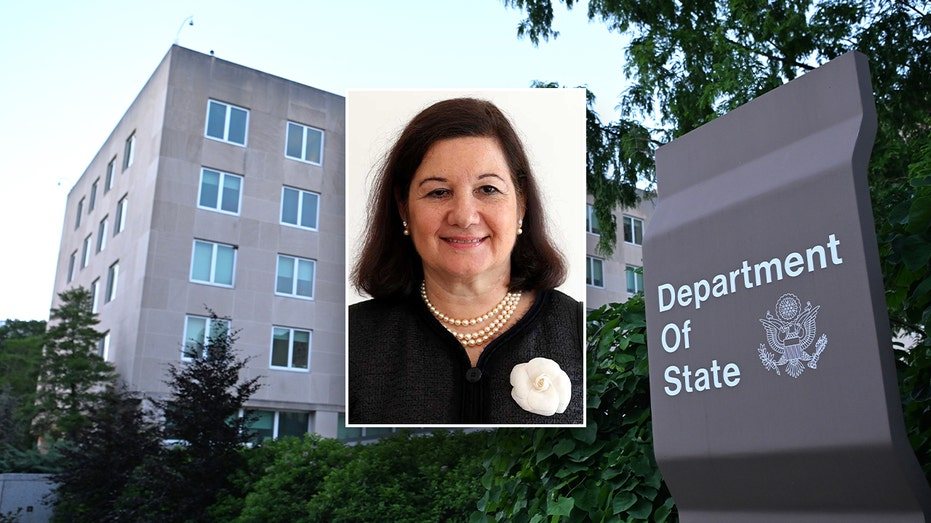
World 5 min read By Lauren Baxter
Conservative critics urge Trump to push for new leadership at Smithsonian to counter 'woke' influence
A Fox News opinion piece argues that the Smithsonian Institution has been captured by left-wing ideology and calls on President Trump to pressure its Board of Regents to appoint a patriotic director who will restore traditional American values and end what the author describes as the vilification of the Founding Fathers.
A conservative commentator is calling on President Donald Trump to take decisive action to reclaim the Smithsonian Institution from what he describes as a deeply entrenched left-wing ideology that has turned the nation's premier museum complex into a hub for social justice activism. In an opinion piece published by Fox News, author and historian argues that the Smithsonian has been systematically infiltrated by advocates of diversity, equity, and inclusion (DEI) programs and a broader 'woke' agenda, and that the institution now serves as a powerful tool for indoctrinating millions of visitors and students against traditional American values.
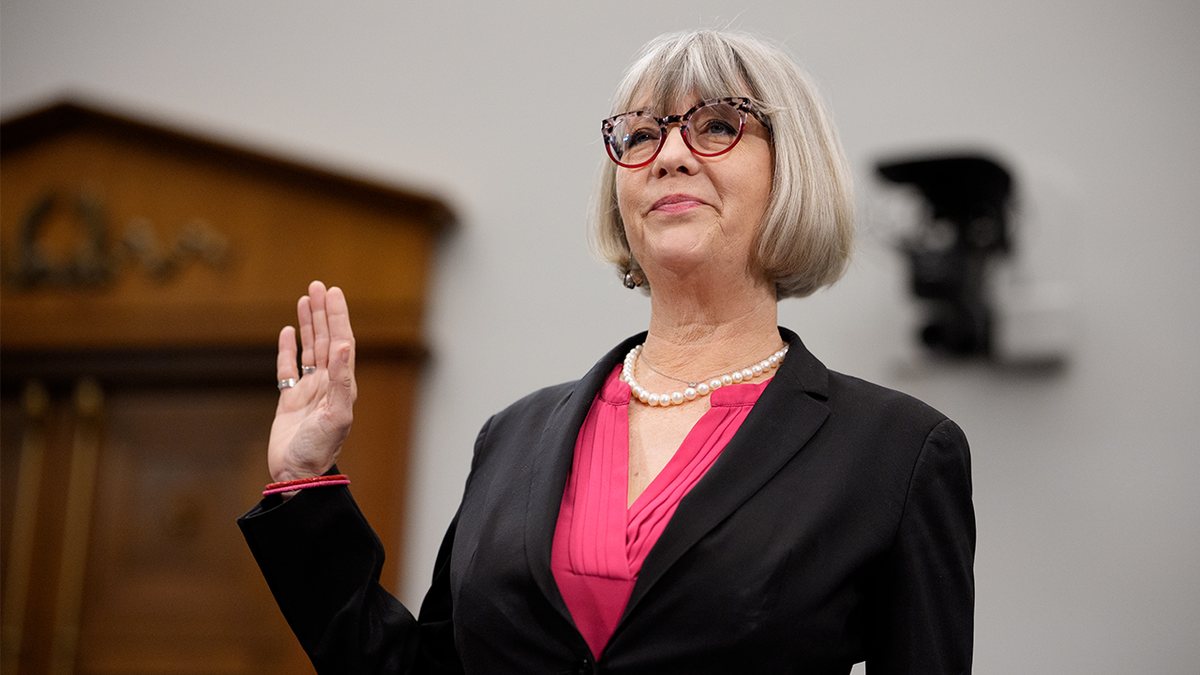
The piece highlights recent testimony by National Museum of American History Director Anthea Hartig before Congress, during which she faced questions from Representative Brandon Gill of Texas about the museum's ideological direction. The author describes Hartig's responses as 'smug and condescending' and accuses her and other Smithsonian leaders of planning to wait out the Trump administration before reinstating DEI initiatives across the government and private sector. The article specifically points to a program called the 'MASS Action Toolkit,' which stands for 'Museums as Sites for Social Action,' created by museum professionals around 2017 to turn museums into centers of anti-Trump activism and resistance.
The Smithsonian Institution, which hosts more than 20 million visitors annually and reaches an additional 20 million students through its educational programs, is described as one of the most important megaphones for shaping America's image both domestically and globally. The author argues that left-wing activists, including socialists and Marxists, have infiltrated every level of the institution and are using it to smear the Founding Fathers and rewrite American history. He calls the Smithsonian 'Ground Zero' for the vilification of the nation and those who believe in its exceptionalism.
While the president cannot directly appoint the head of the Smithsonian, the author urges Trump to exert sustained pressure on the 17-member Board of Regents to select a new leader who is a committed patriot and 'America First' advocate. Such a leader, he argues, would immediately begin dismantling what he calls 'far-left garbage' and restore the institution's focus on celebrating the courage, sacrifice, and genius of figures like Thomas Jefferson, Benjamin Franklin, and John Adams. The author warns that the battle to protect the reputations of the Founding Fathers is being lost and that the Smithsonian must be reclaimed before it is too late.
The opinion piece reflects a broader conservative frustration with what many see as the politicization of cultural institutions, including museums, universities, and media. Critics argue that these institutions have abandoned their mission of objective education in favor of advancing a progressive political agenda. The call for Trump to intervene comes amid ongoing debates over the role of DEI programs in federal agencies and the private sector, with many conservatives viewing them as divisive and contrary to the principle of meritocracy.
Representative Brandon Gill, who questioned Hartig during the congressional hearing, has been praised by conservatives for exposing what they see as the Smithsonian's ideological bias. The hearing itself became a flashpoint in the culture wars, with Gill accusing the museum of promoting 'genuinely insane and objectively offensive' content. The author of the opinion piece, who has written a book titled 'The 56 – Liberty Lessons from those who risked all to sign The Declaration of Independence,' emphasizes that the fight to preserve the legacy of the Founding Fathers is essential to the nation's future.
The Smithsonian Institution, established in 1846, is the world's largest museum, education, and research complex, comprising 21 museums, 14 education and research centers, and the National Zoo. It is governed by a Board of Regents that includes the vice president of the United States, the chief justice of the Supreme Court, three members of the House of Representatives, three members of the Senate, and nine private citizens appointed by joint resolution of Congress. Any change in leadership would require the board's approval, making the political composition of the board a critical factor in the outcome of such efforts.