
Technology 4 min read By Mason Emerson
The Tiny Radar Behind a Very Big Patriot Fight
A compact Boeing seeker has become the part of Trump’s Ukraine Patriot promise that Washington is least comfortable sharing.
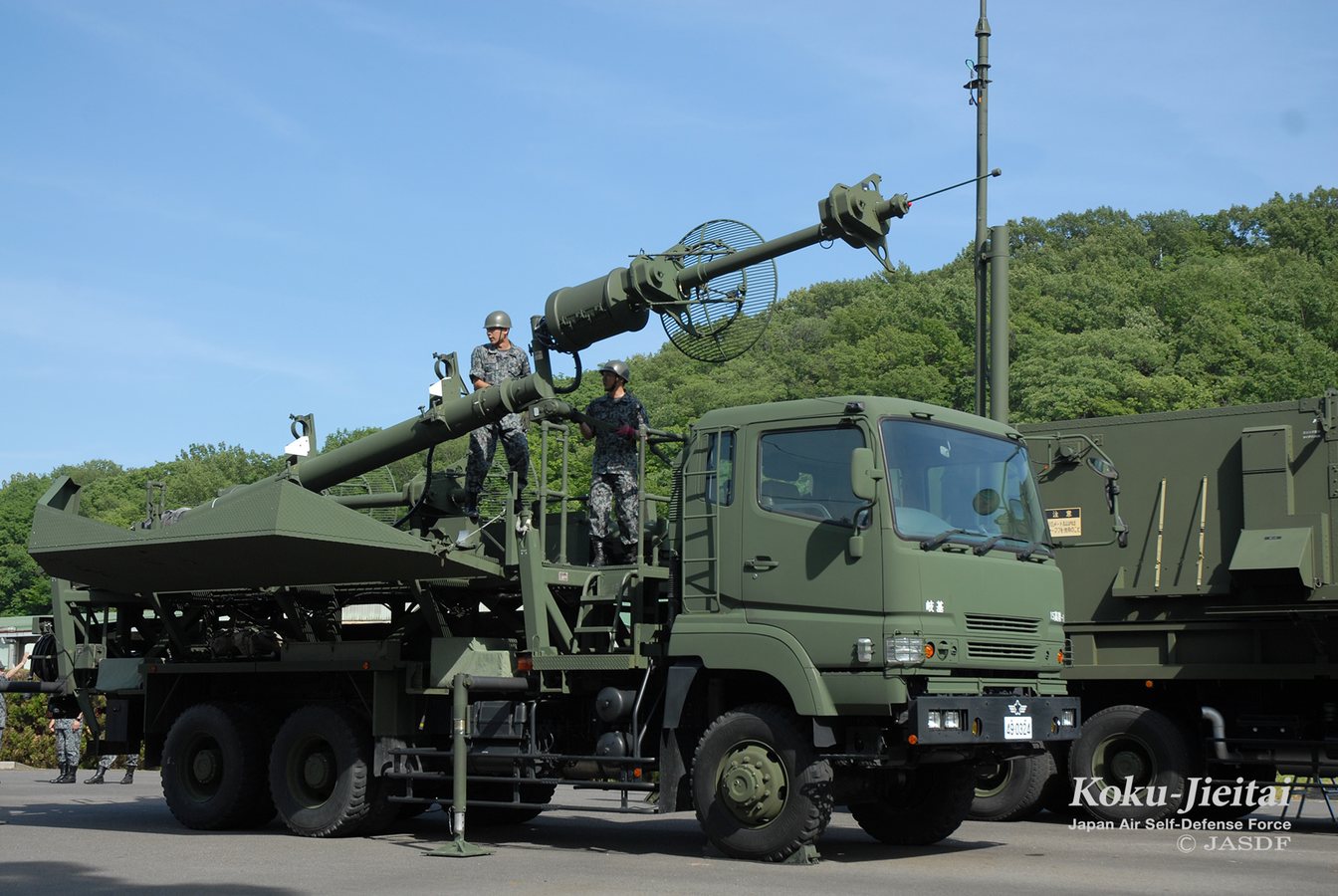
The latest obstacle in Ukraine’s plan to build Patriot interceptors is not a giant launcher, a huge radar truck or even the missile motor. It is a compact radar seeker inside the PAC-3. The Telegraph reports that this Boeing-made component has become the focus of a dispute inside the Trump administration over how much advanced U.S. military technology should be released under a future Ukrainian production license.
Think of the seeker as the missile’s final set of eyes. In the last phase of flight, it detects and tracks the target and feeds information to the guidance system. PAC-3 is a hit-to-kill interceptor, so instead of simply exploding near an incoming ballistic missile, it is designed to collide with it. That makes the seeker’s last-second precision extremely valuable — and extremely sensitive.
Donald Trump told Volodymyr Zelenskyy at the NATO summit in Ankara on July 8 that the United States would let Ukraine make Patriots. The phrase sounded broad, but a manufacturing license can be much narrower. The Associated Press reported that Ukraine could begin by assembling imported component kits or manufacturing selected parts while the most sensitive modules remain U.S.-made.
The Telegraph says the seeker is where the anxiety spikes. A full production transfer would require drawings, software, test equipment and specialists. U.S. officials reportedly worry that Russia could target that information through cyber operations, espionage or attacks on facilities. In other words, the security problem is not just someone stealing a finished missile. It is someone learning how one of its hardest parts is designed and manufactured.
There is also a very physical problem: where to put the factory. A major Patriot site in Ukraine would be a tempting target for Russian missiles. The Telegraph says Germany or another European country is being discussed as a safer place to build or assemble interceptors for Ukraine. That would keep production closer to the customer without putting the whole plant in an active strike zone.
Boeing, meanwhile, is not standing still. In April, the company announced a seven-year framework to triple PAC-3 seeker production. It has invested more than $200 million in Huntsville, Alabama, since 2024, and says seeker deliveries rose more than 30% last year. Lockheed Martin is also planning to raise PAC-3 MSE capacity dramatically, from roughly 600 to about 2,000 missiles a year.
The history of licensed production shows why none of this will happen overnight. Japan entered a PAC-3 licensing arrangement in the mid-2000s and successfully tested a Japan-assembled interceptor in 2008. AP’s current estimate for Ukraine starts at 18 to 24 months just to launch a pilot line using imported kits. Full local production would take longer.
So the big fight over a tiny radar is really about what “made in Ukraine” will mean. One version could involve Ukrainian or European workers assembling missiles around U.S.-built seekers. Another could gradually move more components into local production. The line Washington draws around the seeker will tell us whether Trump’s promise becomes a deep technology partnership or a tightly controlled assembly deal.
66