Technology 4 min read By Mason Emerson
The AI boom offered this family $26 million. They still said no
A Kentucky mother and daughter kept 534 acres of farm even as a huge data-center project won zoning approval around them.
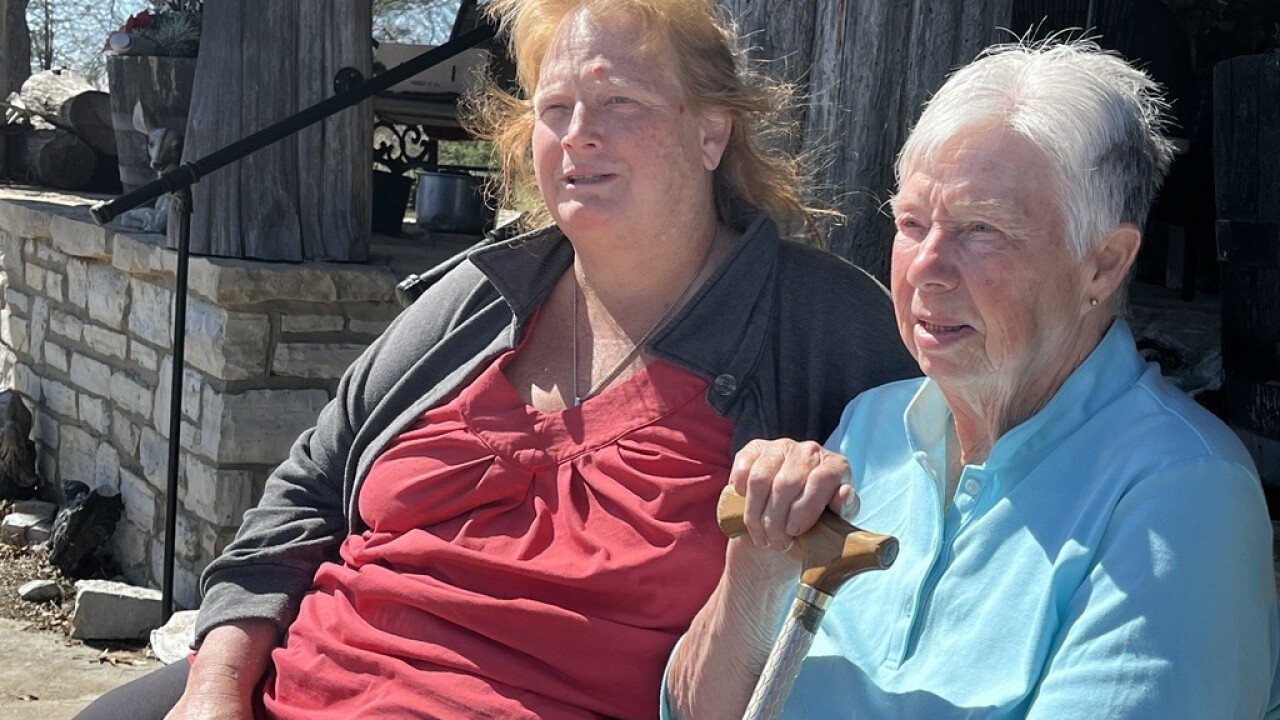
The AI boom usually reaches people through a chatbot window. For Ida Huddleston and Delsia Bare, it arrived at the farm gate with an offer worth more than $26 million.
Huddleston, 82, was offered $60,000 per acre for 71 acres in Mason County, Kentucky. Bare, her daughter, was offered $48,000 per acre for 463 acres. A developer wanted land connected to a giant data-center project outside Maysville. The women eventually decided the answer was no.
That “eventually” matters. PEOPLE reported that they first signed a contract because they were scared the land might later be taken through eminent domain. Their family had lost property to public projects before, so the fear was not abstract. A lawyer told them a private data-center developer could not simply force this sale. Once they knew that, they backed out.
The rest of the story explains why a giant check lost its power. The wider family farm is about 1,200 acres and has roots going back more than 200 years. They raise livestock. Bare says previous generations grew wheat during the Great Depression. Her late husband is buried on the property. This is not a vacation home that happened to appreciate. It is the setting of the family's work and memory.
Huddleston's most shareable line is also the simplest: “You can't get food out of a data center.” She and Bare worry about farmland disappearing, water use and the amount of electricity a huge computing campus can demand. Those worries are real as concerns, but they are not the same as proof that this particular unbuilt facility will cause a specific water problem. Cooling technology can make a big difference.
The strange part is that saying no did not make the data center disappear. On May 22, Mason County approved industrial zoning for 28 other properties covering roughly 2,080 acres. The company behind the plan was still not publicly named in July.
County officials see opportunity. They have talked about roughly 400 permanent jobs and more than 1,500 construction jobs. They also say the developer will pay for roads, water, sewer and electrical infrastructure needed for the site. Opponents see the scale, the secrecy and the irreversible conversion of rural land.
A local group, We Are Mason County, is fighting the approvals in court. Huddleston and Bare joined that broader opposition after protecting their own parcels. So the viral “farmers reject millions” story has evolved into something more complicated: the family won the right to stay, while a massive tech project may still be built next door.
That is the physical side of AI that gets lost in product launches. Models run on servers. Servers live in buildings. Those buildings need land, electricity, cooling, roads and neighbors who can live with them. The software may feel weightless, but the infrastructure is heavy enough to redraw a county map.
For now, the women still have their 534 acres. The developer has zoning on thousands more. The next update will not be about whether somebody adds another million to the offer. It will be about whether the mystery company actually builds — and whether the court challenge changes what Mason County has already approved.
74