Technology 4 min read By Trevor Kendall
BBC Chief Matt Brittin Calls AI-Generated 'Doctor Who' Episode 'Pretty Good'
BBC Director General Matt Brittin said he was recently sent a fully AI-generated 50-minute episode of 'Doctor Who' and found it 'pretty good,' while insisting the technology will not replace human creators.
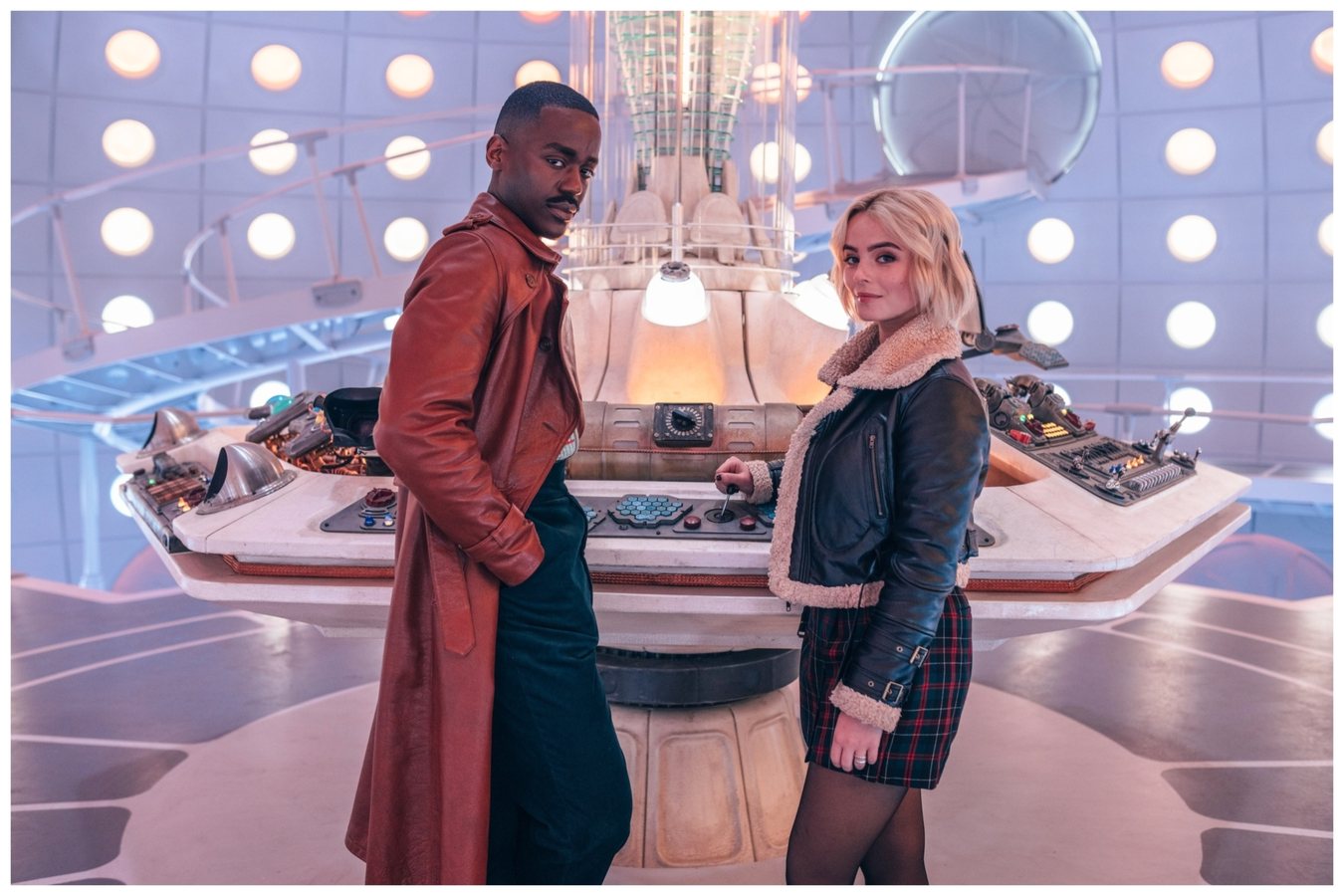
BBC Director General Matt Brittin has revealed that he recently watched a fully artificial intelligence-generated episode of the long-running science fiction series «Doctor Who» and came away with a measured verdict: it was «pretty good.» The disclosure places one of the world's most prominent broadcasting executives at the center of the entertainment industry's intensifying debate over generative AI and its role in creative production.
According to Brittin, someone sent him a 50-minute episode of the BBC's flagship sci-fi franchise that had been produced entirely by artificial intelligence. Rather than dismissing the output, he declined to criticize it, describing the result as «pretty good» while making clear it was «not going to replace humans.» His comments suggest that AI-generated content has reached a level of technical competence that even leaders of legacy media institutions cannot easily ignore.
Brittin, who previously ran Google's operations across Europe, the Middle East and Africa before taking the top job at the BBC, framed the development as part of a broader shift in who gets to make culture. He noted that billions of people now have the ability to create content, and argued that «everyone's a creator» in this new environment. In his view, the democratization of production tools does not automatically mean a decline in quality. «Not all the creativity is bad,» he said, signaling a more open posture toward AI-assisted work than some of his peers in the creative industries.
His remarks arrive at a moment of significant anxiety across film, television, music and publishing, where unions, artists and studios continue to clash over how generative AI should be used, credited and compensated. The BBC itself has a dual stake in the question: it is both a major commissioner of original drama and a public-service broadcaster whose remit includes supporting human creative talent. Brittin's decision to praise the AI-generated episode, even cautiously, could reassure technologists while unsettling writers and performers who fear that cost-cutting executives might see synthetic production as a substitute for their labor.
The «Doctor Who» franchise, which has run on the BBC since 1963, is an especially symbolic test case. Its long history, elaborate mythology and reliance on visual effects and character performance make it a demanding candidate for automated generation. The fact that an AI system could produce a full-length installment that a BBC director general considered watchable — without endorsing it as a replacement — illustrates how quickly the technology has moved from novelty to near-professional output.
Brittin did not say who created the episode, how it was made or whether the BBC plans to study or respond to it. He also did not announce any change in BBC commissioning policy. His comments were limited to his personal assessment of the material he received and his broader view that creative tools are becoming more widely accessible.
For an industry still negotiating the boundaries of AI use, the episode serves as a reminder that the debate is no longer hypothetical. Executives are already watching synthetic content, evaluating it and, in some cases, praising it. How institutions like the BBC translate that assessment into rules for writers, actors, directors and technicians will shape not only what audiences watch but who gets to make it.
17