
Technology 6 min read By Mason Emerson
That “only 0.6% pay for AI” graphic is way more complicated than it looks
The viral visual is real, but the math behind its global payer count is not transparent. ChatGPT alone reports more than 50 million consumer subscribers — already about 0.61% of its world-population baseline.
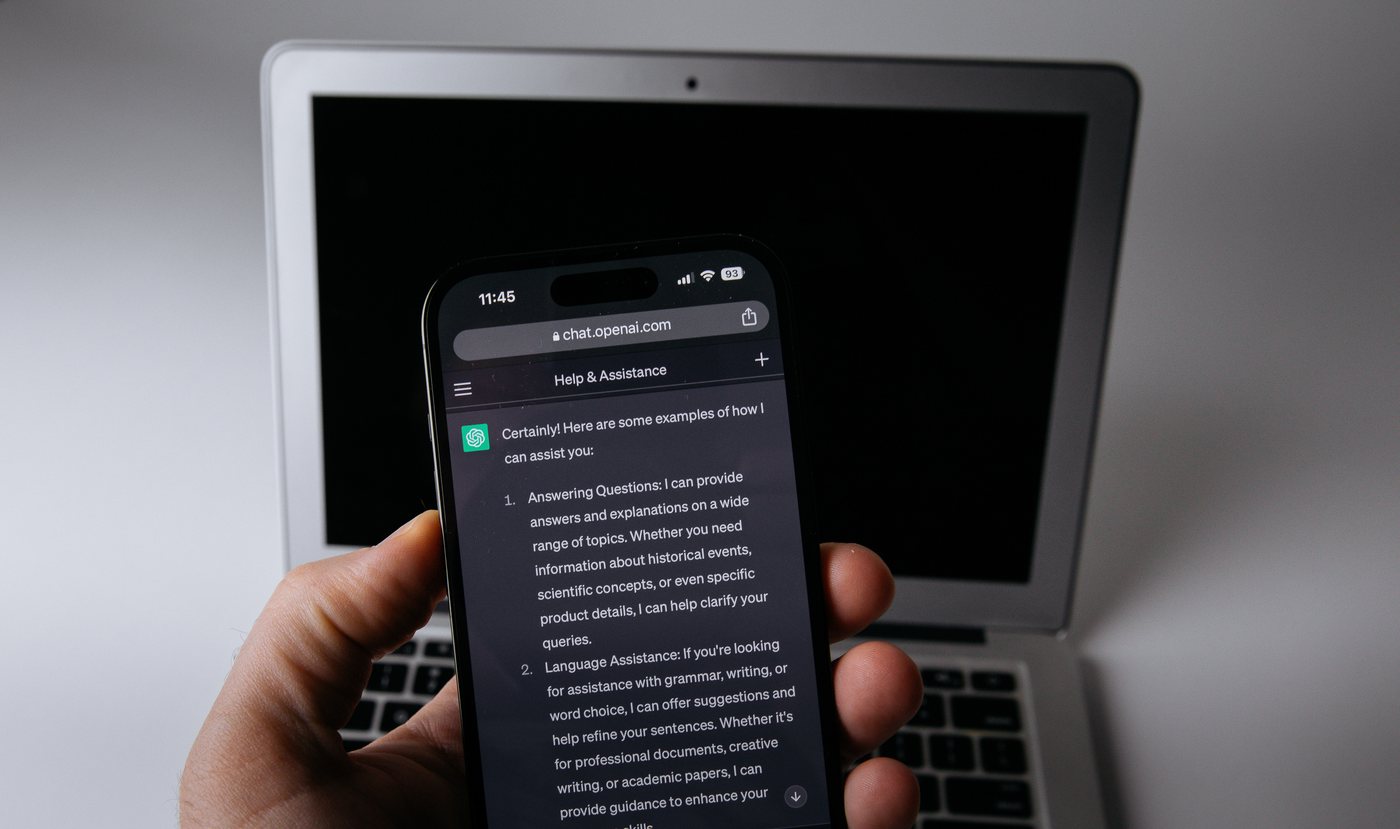
There is a perfect internet statistic making the rounds: only 0.6% of people supposedly pay for AI. It comes with exactly the kind of image social media loves — a huge grid representing humanity and a tiny cluster of blocks representing the people willing to spend money on premium intelligence. It is clean, dramatic and easy to repost. The graphic is real. The conclusion people often draw from it is much shakier.
State of AI Adoption uses 8.2 billion people as its baseline and marks paid subscribers at 0.6%. Its source note says the paid and active numbers are aggregated from reported OpenAI, Google and Anthropic metrics. But it does not show the math behind the subscriber total or explain how it handles people who pay for two or three services at once.
Then there is OpenAI’s own number. The company says ChatGPT has more than 50 million consumer subscribers, more than 900 million weekly active users and more than 9 million paying business users. Fifty million out of 8.2 billion is roughly 0.61%. So the paid consumer audience of ChatGPT alone is already basically the same size as the graphic’s entire “people who pay for AI” category.
And ChatGPT is obviously not the only service with a checkout screen. Google sells paid AI plans and announced a $100-per-month Ultra tier in 2026. Anthropic offers Claude Pro. A U.S. securities filing says paid SuperGrok tiers had about 1.9 million active subscribers as of the end of March 2026. That is a lot of commercial activity outside one consumer subscription number.
That does not mean we should grab a calculator, add every subscriber figure and announce a new global percentage. The same person can be paying for ChatGPT, Claude and a Google AI product. Heavy AI users increasingly treat models like streaming services or creative software: they keep more than one because each has different strengths. Adding subscriptions would count that person several times.
The denominator is also doing a lot of work. The 0.6% compares subscribers with every human being on Earth. That includes babies, people without internet access and millions who have no reason to use a chatbot. If you ask a different question — what share of people who actually use AI pay? — the answer can look dramatically different.
In Germany, a representative Bitkom survey found that 13% of AI users pay for at least one AI app. They spend €20 a month on average. The main reason is access to more capable models. People also pay for better output, reliability, features, fewer limits and privacy. That is not a global number, but it is a much more intuitive way to think about paid conversion among an actual user population.
That is probably the more interesting culture story. AI is becoming one more subscription people have to decide whether to keep. A free chatbot is easy to try. Paying every month means it has crossed into the same mental budget as entertainment, storage, productivity software and other digital services. The subscription is no longer about curiosity; it is about whether the tool has become part of someone’s routine.
And because the internet loves identity labels, “paid AI user” may become a lifestyle category long before it becomes a clean statistical one. There are casual users, students, creators, developers, founders and people whose employers foot the bill. They can all be using the same model with completely different relationships to money. A meme flattens those differences into one square on a grid.
There is also the familiar subscription problem: once several services are “only” $20 or so, the monthly total stops feeling small. Power users may eventually run the same audit people already perform with streaming — which one do I actually use, which can I cancel, and which feature is worth keeping? That consumer behaviour may be a better signal of AI’s cultural maturity than a percentage of the entire human population.
Employer-funded AI makes the picture even weirder. Someone can use a premium model for hours every day without personally paying anything. From their perspective, they are a non-payer. From the vendor’s perspective, they are part of a paid business deployment. OpenAI’s separate business-user number shows why consumer spending and commercial adoption cannot be collapsed into one category.
So yes, the 0.6% image captures something broadly true: paid AI is still tiny compared with all of humanity. But no, it should not be reposted as a precise census of everyone who pays. The public numbers are already too messy for that — and one company’s disclosed subscriber count is enough to show why the viral version needs a fact-check. The better takeaway is less dramatic but more useful: AI subscriptions are becoming normal enough that the interesting question is no longer whether anyone pays, but how many services people will keep paying for.
47