Technology 4 min read By Mason Emerson
Pokémon’s Card Boom Is Getting a Blockchain Upgrade
The 30-year-old franchise now has a premium card index up 27.9% in 2026 and tokenized marketplaces built around vaulted collectibles and digital pack openings.
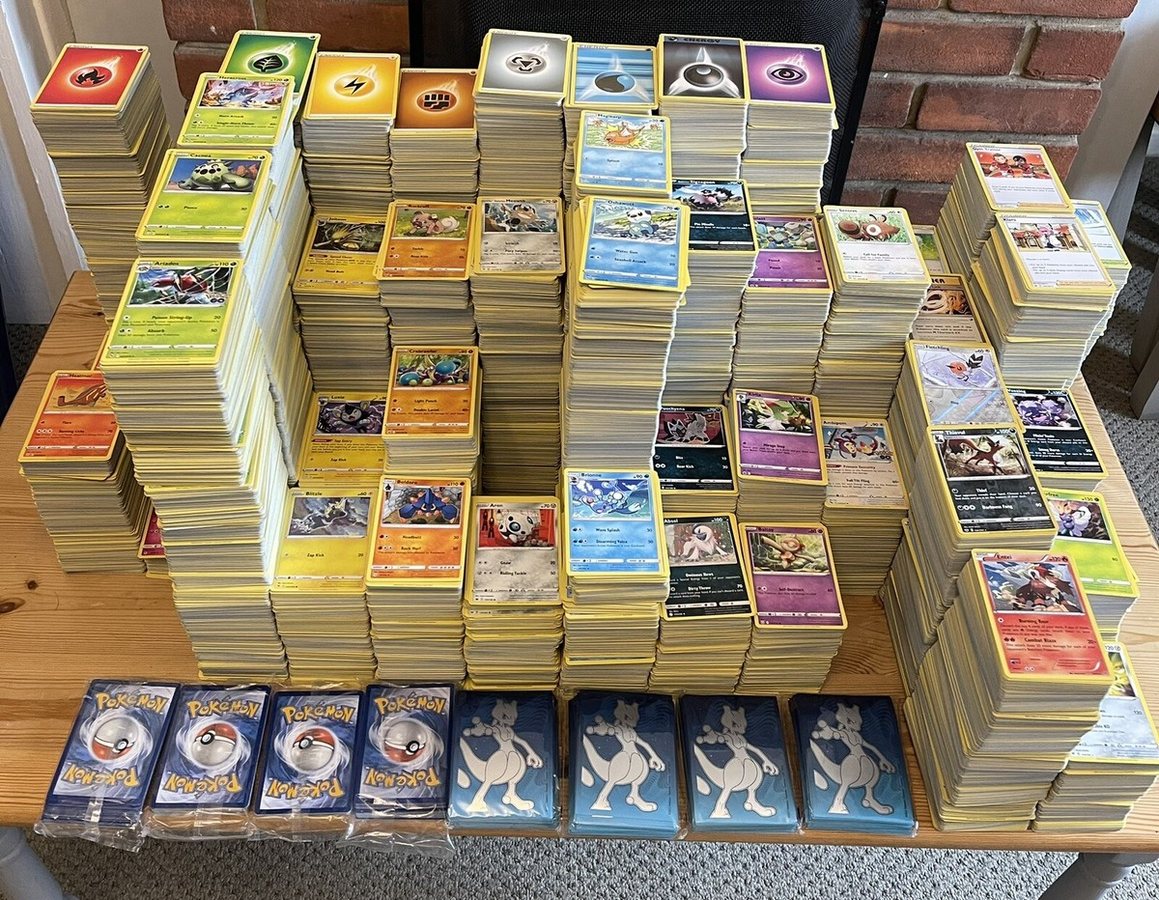
Pokémon is celebrating 30 years by doing something its 1990s audience could not have imagined: turning physical trading cards into blockchain assets that can move between wallets while the actual cardboard sits in a vault.
The timing is not accidental. Premium Pokémon cards are having a strong year. PokéViews’ PV100, which tracks 100 valuable and actively traded English ungraded cards, is up 27.9% since January. The S&P 500 was up 13.9% through August 13, while Bitcoin remained below its starting level for 2026.
That does not mean every old Pikachu in a drawer is suddenly an investment winner. PV100 is a reference index with equal weights and monthly rebalancing. It excludes graded cards, sealed boxes and non-English cards. Condition, rarity and actual buyer demand still decide what an individual card is worth.
What is changing is the experience around ownership. Tokenized marketplaces put authenticated cards in secure storage and issue a digital token tied to the physical item. A user can buy, sell or hold that token. If they want the card in hand, they can redeem the token and have the vault ship it.
For collectors, the pitch is speed. The card no longer needs to be mailed after every sale. For platforms, the opportunity is bigger: once the asset is digital, they can build instant buybacks, wallet integrations and randomized pack-opening products around it.
Those digital packs are helping drive the boom. The Block reported that tokenized Pokémon marketplaces reached about $7.4 million in weekly revenue in early May, up 337% from a year earlier. Blockworks Research measured $324.6 million in onchain spending across collectible-card gacha platforms in June.
Collector Crypt accounted for nearly two-thirds of the June figure. Its high-priced randomized packs show how the experience blends two parts of Pokémon culture: the thrill of opening a booster and the adult desire to trade the result like an asset.
That blend is also the source of controversy. The faster and more expensive pack opening becomes, the closer it gets to arguments about gambling-like behavior. An instant buyback can turn the entire cycle — pay, reveal, sell, repeat — into a much quicker loop than a trip to a hobby shop.
The commercial backdrop is huge. Mordor Intelligence estimates the global trading card game market at $15.11 billion in 2026. Pokémon’s official 30th Celebration expansion launches September 16, with new foil-heavy products designed to attract both active players and nostalgic collectors.
Blockchain does not make the physical side disappear. The card still has to exist, stay secure and remain redeemable. A token holder is trusting a vault operator, insurance arrangements and a platform that may be much younger than Pokémon itself.
That tension is what makes the story bigger than another NFT cycle. The object people care about is still tangible. The technology is trying to make ownership feel digital without breaking the emotional link to a card that can ultimately be taken out of the vault and held in someone’s hand.
70