
Society 5 min read By Morgan Griffin
USA Today columnist Nancy Armour warns Heritage Foundation is 'coming for' Title IX
USA Today columnist Nancy Armour accused the Heritage Foundation of threatening Title IX protections after the think tank released a report criticizing the law's modern application. Armour's column follows her recent backlash over a controversial piece about WNBA star Caitlin Clark.
USA Today columnist Nancy Armour has sparked a new debate by accusing the Heritage Foundation of targeting Title IX, the landmark 1972 federal law that prohibits sex-based discrimination in education programs receiving federal funding. In a column published Thursday, Armour cited a recent Heritage Foundation report titled «Title IX’s Failed Experiment: Why Accommodating Sex Differences Beats Engineered Parity,» which argues that the law has been distorted to enforce rigid equality in school sports, harming both male and female athletes.
The report, authored by Scott Yenor, a senior research fellow at the Heritage Foundation’s American Citizenship Initiative, contends that Title IX has evolved from an anti-discrimination statute into a tool for feminist social engineering. «The result has been two systemic distortions: a prejudice in favor of a male-normed competitive model for women’s sports and a prejudice against men’s non-revenue programs,» the report states. Yenor advocates for reforms that focus less on proportionality in male-dominated sports and more on opportunities for female-centric athletics such as cheerleading, gymnastics, and volleyball.
Armour, however, interpreted the report as a direct threat to women’s rights. «Our bodies, our self-confidence, our independence — they’re not going to stop until women have the same rights and opportunities they did before the 1970s. Which were almost none,» she wrote. She dismissed the idea that the Heritage Foundation’s efforts «will go nowhere» despite widespread support for Title IX, adding that «Project 2025 has done too much damage already not to take the threat to Title IX seriously.» Armour further claimed that the organization seeks to enforce a specific definition of femininity, starting with banning transgender women from sports and now targeting broader women’s rights.
The Heritage Foundation has not yet responded to requests for comment from Fox News Digital. Yenor, in his report, argued that «equality under Title IX does not require identical outcomes or the erasure of sex differences. It requires opportunity rooted in human nature that will reveal genuine differences between the sexes.» He emphasized that recovering an approach accommodating both natural and cultural differences could sustain vibrant women’s sports, protect male opportunities, and contribute to a healthier social order.
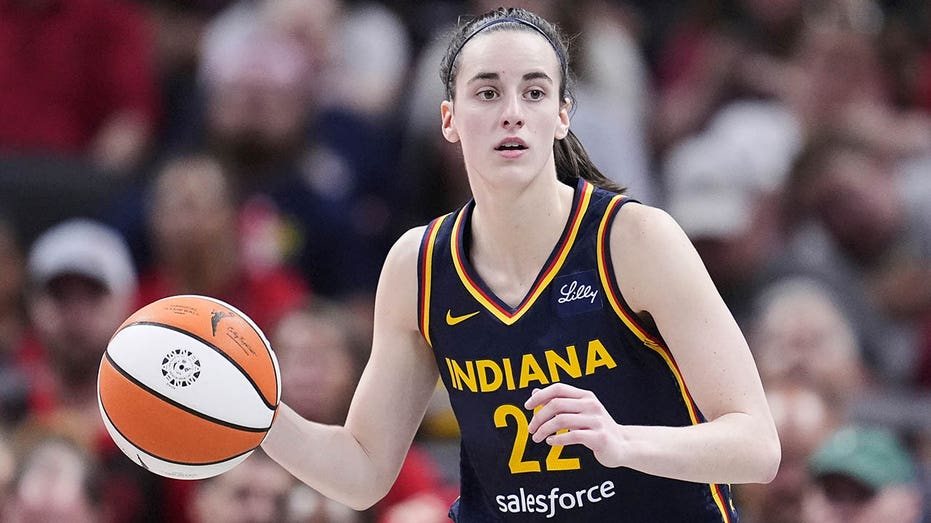
Armour’s latest column comes on the heels of significant backlash she faced for a previous piece about Indiana Fever star Caitlin Clark. In that column, Armour accused Clark of putting Black and queer WNBA players «in danger» by flopping and berating court officials. She wrote, «It shouldn’t need reminding this country has an awful history of Black people being harmed, even killed, in the name of 'defending' white women.» Armour referenced the WNBA All-Star Game in Chicago, Emmett Till’s hometown, and an exhibit imagining his life if he hadn’t been lynched. She later apologized for the «inartful comparison» and updated the column.
The controversy surrounding Armour’s Clark column drew widespread criticism from sports commentators and fans, who accused her of making an inflammatory and historically insensitive analogy. Despite the apology, the incident has fueled ongoing debates about race, gender, and media accountability in sports journalism.
Armour’s focus on the Heritage Foundation report has reignited discussions about the future of Title IX, particularly in the context of transgender athletes and women’s sports. The report’s critique of proportionality mandates has been echoed by some conservatives who argue that the law has led to the elimination of men’s non-revenue sports teams. However, advocates for the current interpretation of Title IX maintain that it remains essential for ensuring equal opportunities for women and girls in education and athletics.
As the debate continues, Armour’s columns highlight the deep divisions over how Title IX should be applied in modern America. The Heritage Foundation’s report and Armour’s response underscore the ongoing cultural and political battles over gender equity, sports, and federal policy.