Society 7 min read By Morgan Griffin
McConnell Says Fall Led to Hospitalization, Breaking Weeks of Silence on Health
Senator Mitch McConnell, 84, revealed that a fall caused his recent hospitalization, ending weeks of speculation about his condition and citing generational reluctance to discuss health vulnerabilities.
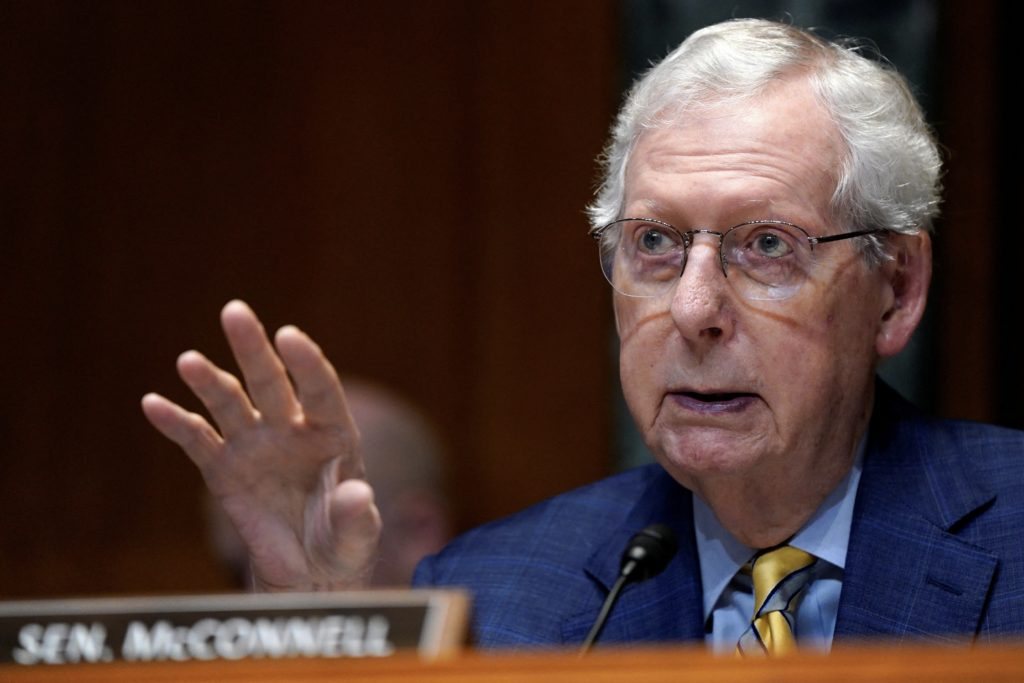
Senator Mitch McConnell, the 84-year-old Republican from Kentucky, has disclosed that a fall led to his recent hospitalization, breaking weeks of public silence about the nature of his medical condition. In a statement released on Sunday, McConnell acknowledged the incident, explaining that his delay in sharing details stemmed from a generational tendency to avoid discussing the vulnerabilities that come with aging. The announcement ends a period of intense speculation among political observers and the public, who had been left without official information since the senator was admitted to a medical facility.
McConnell, who has served as Senate Minority Leader and previously as Majority Leader, is one of the most influential figures in American politics. His health has been a subject of close scrutiny, particularly given his advanced age and history of medical incidents, including a concussion from a fall in 2019 and a freeze-up during a press conference in 2023. The latest hospitalization, which occurred in recent weeks, had prompted questions about his ability to continue leading his party in the Senate, though McConnell has not indicated any plans to step down from his role.
The senator's statement, released through his office, did not specify the exact date or location of the fall, nor did it detail the extent of his injuries or the duration of his hospital stay. However, he emphasized that he is now recovering and expects to resume his duties in the near future. «Folks of my generation often hesitate to share the vulnerability that comes with growing older,» McConnell said in the statement, offering a rare personal reflection on his health struggles.
This comment has been interpreted by some analysts as an attempt to address the cultural and political sensitivities surrounding age and fitness for office, particularly in a political landscape where both parties face questions about the advanced age of many senior leaders. The weeks of silence had fueled a range of rumors and concerns, with some critics calling for greater transparency from elected officials about their health. McConnell's office had previously declined to comment on the nature of his hospitalization, citing privacy concerns.
The lack of information led to speculation on social media and in political circles, with some questioning whether the senator was facing a more serious condition than a fall. By finally providing an explanation, McConnell has sought to put those rumors to rest, though the delay has drawn criticism from transparency advocates who argue that the public has a right to know about the health of those who hold high office. McConnell's health history includes several notable incidents. In 2019, he suffered a fall at his home in Kentucky that resulted in a concussion and required a brief hospitalization.
In 2023, he experienced a public episode during a press conference where he froze mid-sentence and had to be led away by colleagues, an incident that his office later attributed to dehydration and lightheadedness. These events have periodically raised questions about his long-term fitness for the demanding schedule of a Senate leader, but McConnell has consistently returned to work and maintained his position. His latest fall and hospitalization add another chapter to this ongoing narrative, though his statement suggests he intends to continue serving. The political implications of McConnell's health are significant.
As the top Republican in the Senate, he plays a crucial role in shaping legislative strategy, confirming judicial appointments, and negotiating with the Biden administration. Any extended absence or potential retirement could trigger a leadership battle within the Republican conference, with several younger senators seen as possible successors. For now, McConnell's statement appears designed to reassure colleagues and constituents that he remains in control and capable of fulfilling his duties. His office has not announced any changes to his schedule, and he is expected to return to the Capitol when the Senate reconvenes. Public reaction to McConnell's disclosure has been mixed.
Some have expressed sympathy for his situation, acknowledging the challenges of aging in a high-pressure job. Others have renewed calls for age limits or mandatory health disclosures for elected officials, arguing that the current system relies too heavily on voluntary transparency. The incident has also sparked broader discussions about the age of political leaders in the United States, where President Joe Biden is 81 and former President Donald Trump is 77, making age a recurring theme in national politics. McConnell's fall and his handling of the news have become a case study in how politicians navigate personal health crises while maintaining public trust.
As McConnell recovers, the focus will shift to his ability to lead his party through the remainder of the current congressional session. Key legislative battles loom, including funding negotiations and potential impeachment proceedings, all of which require a steady hand from the Senate minority leader. Whether this latest health scare will affect his long-term plans remains uncertain, but for now, McConnell has made clear that he intends to stay the course. His statement, while brief, has provided the clarity that many were seeking, even as it leaves some questions unanswered about the full extent of his condition and the circumstances of his fall.