Society 6 min read By Morgan Griffin
DHS Refuses to Name Agents Involved in Fatal Shootings, Unlike Local Police
The Department of Homeland Security will not disclose the names of its agents involved in fatal shootings, a policy that contrasts with the transparency practices of many local police agencies. This lack of accountability has drawn criticism from transparency advocates and lawmakers.
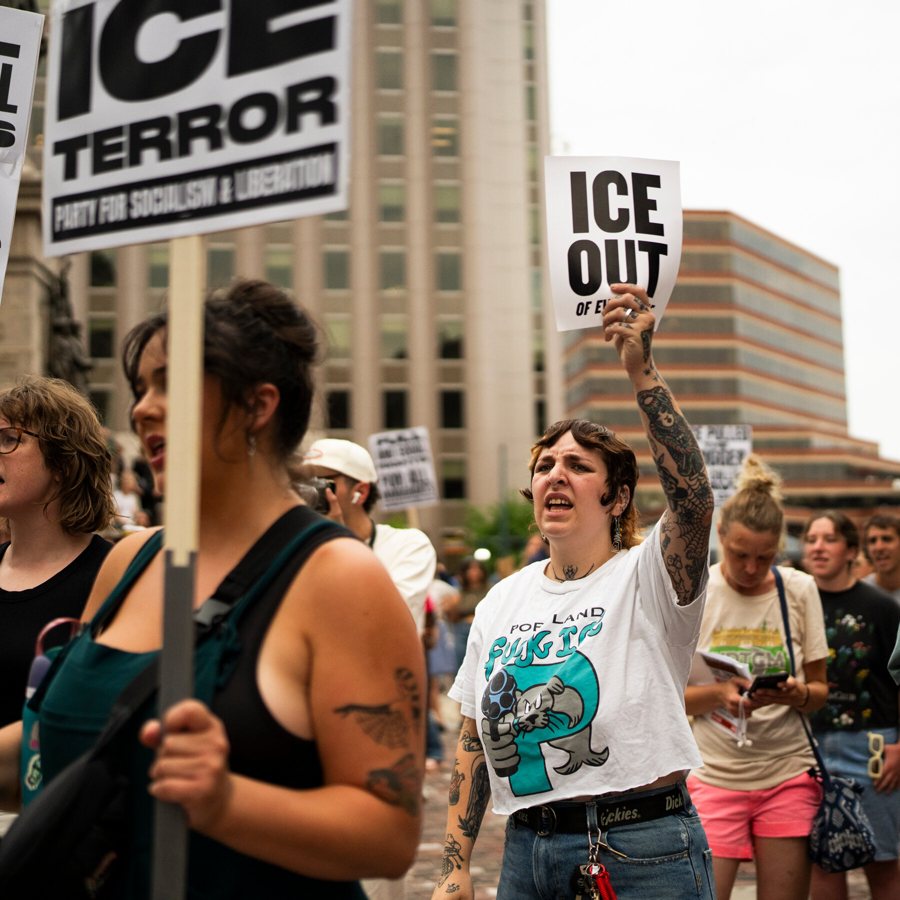
The Department of Homeland Security (DHS) has a policy of not publicly naming its agents who are involved in fatal shootings, a practice that stands in stark contrast to the transparency measures adopted by many local police departments across the United States. This policy has come under renewed scrutiny following a protest in Portland, Maine, against U.S. Immigration and Customs Enforcement (ICE) after the fatal shooting of Johan Sebastian Guerrero. The incident has highlighted the lack of accountability and public oversight in federal law enforcement actions.
Unlike local police agencies, which often release the names of officers involved in shootings within days or weeks, DHS has not disclosed the identity of the agent who shot Guerrero. This opacity is not an isolated case but part of a broader pattern within the department, which oversees agencies such as ICE, Customs and Border Protection (CBP), and the Transportation Security Administration (TSA). Transparency advocates argue that this secrecy undermines public trust and accountability, especially in cases where the use of force results in death.
The contrast with local police practices is striking. Many municipal and county law enforcement agencies have adopted policies requiring the release of officer names within a specific timeframe after a shooting, often citing the need for transparency and community trust. Some states have even passed laws mandating such disclosures. For example, in New Hampshire, a recent debate over body cameras and dashboard cameras in law enforcement has brought the issue of transparency to the forefront. The Rockingham County Sheriff's Office, which lacks both body and dashboard cameras due to funding constraints, has faced criticism for its inability to provide video evidence in a traffic stop involving a state lawmaker.
New Hampshire state Rep. Ellen Read, a Democrat, was involved in a traffic stop where a deputy accused her of driving 107 mph. The lack of camera footage has become a central issue in her legal battle, as she argues that the stop violated a provision of the state constitution protecting lawmakers while traveling to and from legislative duties. The sheriff's office has acknowledged that it does not use body-worn or dashboard cameras because it lacks the funding to purchase them, despite a state grant program established in 2021 to help local agencies acquire such technology. This case underscores the broader challenges of ensuring transparency and accountability in law enforcement, whether at the local or federal level.
DHS officials have defended their policy, citing concerns for agent safety and the need to protect ongoing investigations. However, critics argue that these justifications are insufficient, especially when compared to the practices of local police departments that manage to balance transparency with operational security. The lack of named agents in fatal shootings makes it difficult for the public and oversight bodies to scrutinize the use of force by federal officers, potentially allowing misconduct to go unchecked.
The Guerrero shooting in Portland has become a flashpoint for these concerns. Protesters gathered to demand answers and accountability from ICE, calling for the release of the agent's name and a thorough investigation. The incident has also reignited debates about the role of federal immigration enforcement in local communities and the need for greater oversight of agencies like ICE, which have been criticized for their use of force and lack of transparency.
In contrast, some local police departments have taken steps to increase transparency, such as releasing body camera footage of shootings and implementing community oversight boards. These measures are designed to build trust between law enforcement and the communities they serve, a goal that DHS has yet to fully embrace. The disparity in transparency between federal and local agencies raises questions about the accountability of federal law enforcement and the need for reform.
Lawmakers and advocacy groups have called on DHS to change its policy and adopt practices similar to those of local police departments. Some have proposed legislation that would require federal law enforcement agencies to disclose the names of agents involved in fatal shootings within a certain timeframe. Others have urged the department to implement body cameras for all agents, a move that could provide crucial evidence in use-of-force incidents and enhance accountability.
The debate over transparency in federal law enforcement is likely to continue, especially as incidents like the Guerrero shooting draw public attention. For now, DHS remains one of the few law enforcement agencies that does not routinely name its agents in fatal shootings, a policy that sets it apart from many local police departments and fuels ongoing calls for reform.