
Society 4 min read By Morgan Griffin
CDC Reveals Behind-the-Scenes Public Health Operation That Kept FIFA World Cup Fans Safe
The CDC operated a massive public health operation during the FIFA World Cup in the U.S., including real-time disease surveillance, wastewater monitoring, and expert deployments to protect millions of fans from infectious disease threats.
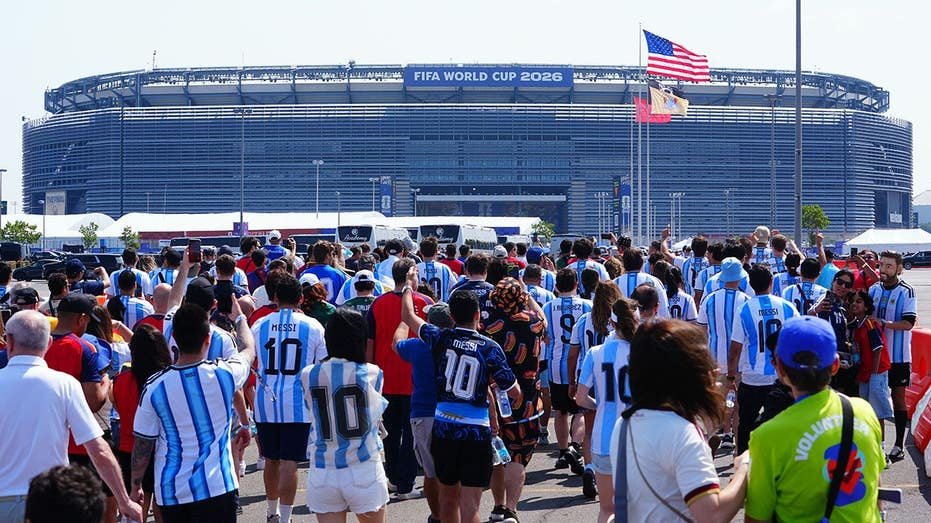
The Centers for Disease Control and Prevention (CDC) conducted a large-scale, behind-the-scenes public health operation during the FIFA World Cup to protect millions of fans as they traveled across the United States, the agency revealed in a statement shared exclusively with Fox News Digital. The tournament, which took place across 11 American cities, hosted 39 teams and 78 matches, drawing an estimated 6.5 million fans from around the world. The CDC’s effort was designed to detect emerging health threats and respond to potential public health emergencies amid the massive gatherings.
Acting CDC Director Dr. Jay Bhattacharya emphasized the importance of preparedness in a statement. «Readiness is not only measured by how we respond to emergencies, but by the work we do every day to prevent them,» he said. «The FIFA World Cup demonstrated the strength of CDC’s partnerships, preparedness and commitment to protecting the health of every community we serve.» The tournament overlapped with Independence Day celebrations and occurred against a backdrop of international disease activity, including Ebola and Hantavirus outbreaks, which heightened the need for vigilant monitoring.
In total, the FIFA World Cup spanned 16 cities across the United States, Canada, and Mexico, with more than 5 million tickets sold. The CDC’s operation included a World Cup data dashboard that provided health departments with real-time data on disease trends across multiple cities as fans and teams traveled throughout the tournament. The agency also maintained around-the-clock health operations at U.S. ports of entry in coordination with U.S. Customs and Border Protection to monitor international passengers. Additionally, CDC experts were deployed to strengthen disease surveillance, laboratory capacity, wastewater surveillance, and preparedness planning in host cities.
Infectious disease experts were particularly concerned about the potential for outbreaks in large crowds. Measles, for example, remained a top concern, with 2,260 confirmed cases in the U.S. as of July 16, according to the CDC. The agency also monitored wastewater for signs of disease spread, tracked hospital visits, and analyzed social media for any indications of a potential outbreak. The CDC’s efforts were coordinated across a broad network, including multiple CDC divisions, the Department of Health and Human Services (HHS), the Administration for Strategic Preparedness and Response (ASPR), and the White House FIFA World Cup Task Force.
In March, the CDC released guidance providing health officials with a framework for preparing for a broad range of threats, including biological, chemical, radiologic or nuclear, environmental, and mass casualty incidents. The guidance encouraged every jurisdiction to approach the tournament through a risk-based lens, recognizing that travel between venues connects communities far beyond the host cities. The tournament is now over, but the CDC’s work continues. The same preparedness, surveillance, and partnerships that supported the World Cup are part of the agency’s readiness and response mission every day of the year, continuing through the close of the activation on July 31 and well beyond.