Politics 6 min read By Lauren Baxter
Trump wanted a simple Hormuz victory story. Iran just made it complicated
The White House had a clean narrative available: reopen a famous oil chokepoint and call the war a success. Iran’s new demands show why political endings rarely stay that simple.
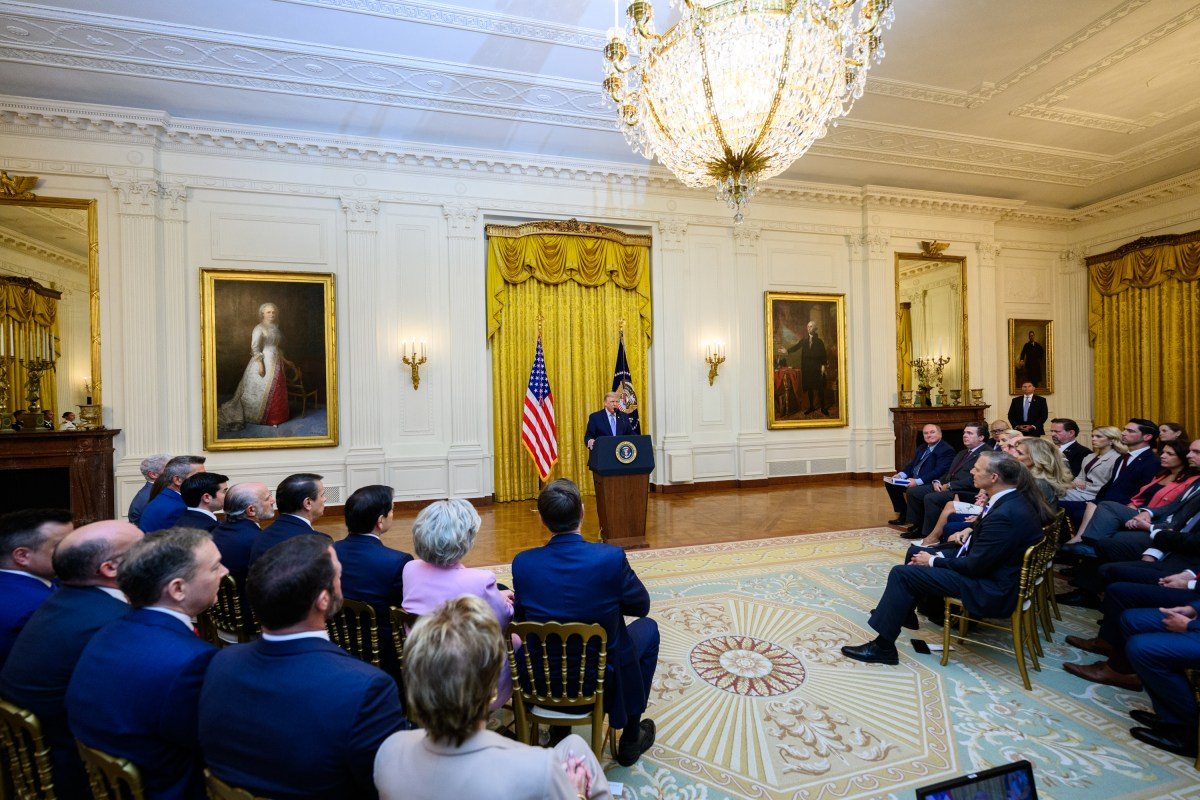
Politics loves a clean ending. Wars almost never provide one. President Donald Trump had been moving toward a story that was unusually easy to tell: the Strait of Hormuz is fully open, oil is moving, the crisis is under control, and the United States can leave the Iran war without waiting for a difficult nuclear agreement.
The Wall Street Journal reports that U.S. officials said Trump had privately floated exactly that kind of exit. For a White House thinking about public opinion and the approaching midterm elections, the appeal is obvious. A shipping lane gives voters an image. Tankers moving through a narrow stretch of water are easier to communicate than centrifuge limits, verification protocols or the architecture of a nuclear deal.
Iran has now disrupted the script. Its Supreme National Security Council said Saturday that a full reopening requires the United States to stop threatening Iran, permanently end the war against Iran and its allies, lift the naval blockade and withdraw U.S. forces from around the country. Tehran also wants war compensation, sanctions lifted and frozen assets released.
That is not a supporting detail. It changes the story from “Trump opens Hormuz” to “Trump negotiates over much of the U.S. pressure campaign in exchange for Hormuz.” Politically, those are very different headlines.
The Journal also quoted Gregory Brew of Eurasia Group, who said Iranian leaders believe Trump wants out and is focused on the strait. That matters because political messaging itself can become leverage. If Tehran sees the White House trying to build a victory narrative, it can demand a higher price for the image that completes it.
Trump’s response on Sunday was to sound less urgent. He told Axios the United States was “low-keying it” and only “semi-negotiating” with Iran, and he pointed to Tehran’s inflation and lack of money. The subtext was clear: Washington does not need a deal today. It can wait while economic pressure grows.
Meanwhile, the reality on the water is more complicated than either side’s slogans. Axios reports that a U.S. official says around 8 million barrels of oil are already leaving the Gulf each day through the southern lane with U.S. military coordination. Iran and Oman are also close to new maritime routes, according to the Associated Press.
Iran insists that those routes do not equal a full reopening. That difference may sound technical, but it is the difference between a temporary scene and a political finale. Ships moving under special arrangements can calm markets without giving Trump the definitive “mission accomplished” moment his advisers may prefer.
Energy numbers explain why the visuals matter. U.S. Energy Information Administration data show about 14.6 million barrels per day of crude oil and petroleum liquids passed through Hormuz in the first quarter of 2026, down from about 20.7 million in the final quarter of 2025. Earlier disruptions contributed to dramatic price volatility.
That means a political story about a distant strait can reach American life quickly. Oil prices influence gasoline, transport, airline costs and the broader mood around inflation. A more stable strait can therefore matter domestically as well as in foreign policy.
The United States still has a naval blockade in place. Iran wants it lifted. Washington wants the strait fully open. Each government is therefore asking the other to give up part of the pressure that makes its negotiating position valuable.
This is where the public narrative can diverge from the diplomatic reality. A president can say progress is imminent while negotiators still disagree over the terms. Iran can say it is defending sovereignty while allowing partial traffic. Both sides can present limited movement as evidence that their pressure works.
For audiences trying to follow the story, the most useful question is not “Who won today’s messaging battle?” It is “What changed in the actual rules?” Are more commercial ships moving? Is the U.S. blockade still in place? Are Iranian conditions still attached to full reopening? Are attacks declining?
Those answers determine whether the story is approaching an ending or simply moving into a quieter phase. Right now, the evidence points to the latter. Traffic exists, diplomacy is active and Trump is speaking more softly. But the political price of full reopening has risen.
The irony is that the very simplicity that made Hormuz attractive as a victory story may have made it more valuable to Iran. Once Tehran understood how useful a fully open strait would be to Trump’s political narrative, it had a reason to make that final scene harder to obtain. The next chapter will show whether Washington can get the practical benefits without paying for the headline.
55