Politics 3 min read By Mason Emerson
CAA chief Bryan Lourd urges Congress to pass No Fakes Act
Creative Arts Agency CEO Bryan Lourd is calling on Congress to pass the No Fakes Act, arguing that protection against nonconsensual AI replicas of voices and likenesses should extend to every American, not only celebrities.
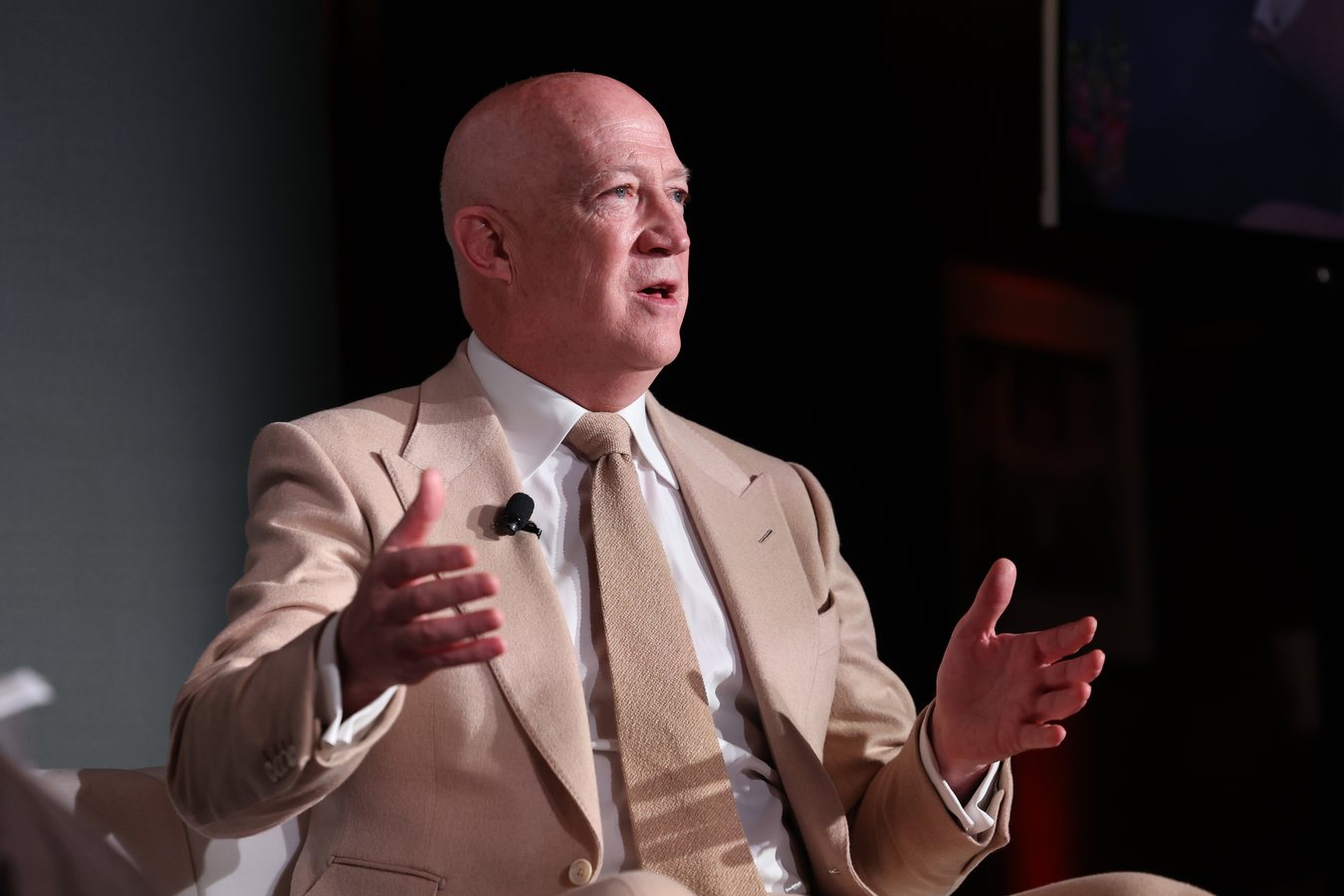
Creative Arts Agency chief Bryan Lourd is calling on the full Congress to pass the No Fakes Act and send it to President Trump for signature. Lourd argues that the legislation would protect everyone, famous or not, from nonconsensual digital replicas of their voices and likenesses.
In a guest essay published in The New York Times, Lourd made the case that the right to control one's own image and voice should not depend on fame. He wrote that every person should have the right to refuse an unwelcome use of their identity. The essay treats the issue as one of basic personal autonomy in an era when artificial intelligence can generate convincing imitations of real people with relative ease.
The push comes as unauthorized AI deepfakes continue to spread across the internet. The NO FAKES Act is designed to regulate that wave of synthetic content by giving individuals legal recourse when their voices or likenesses are replicated without consent. Lourd, who leads one of Hollywood's largest talent agencies, has become one of the most prominent industry voices pressing lawmakers to act on the bill.
The stakes are immediate for the entertainment industry. Performers, musicians and writers have raised alarms in recent years about digital copies of their work and appearance being used without permission. Lourd's argument extends that concern beyond the professional world, suggesting that ordinary citizens are equally exposed to having their faces and voices misused. Creative Arts Agency, the company he leads, represents actors, directors, athletes, musicians and other creators, which gives him a direct view of how these risks affect clients across the industry.
Lourd's essay positions the NO FAKES Act as a safeguard that addresses a shared vulnerability rather than a narrow industry grievance. By urging a full congressional vote and a direct path to the president's desk, he is pressing for federal action rather than a patchwork of state rules. A federal standard would, in his framing, give people the same baseline protection regardless of where they live or how well known they are.
The call adds to a growing debate over how U.S. law should respond to generative AI. Lawmakers have weighed how to balance protections for individuals against free expression and innovation, and the NO FAKES Act sits at the center of that discussion. Supporters see it as a way to give people a clear legal tool against unauthorized digital copies, while the broader question of how far such rules should reach remains part of the congressional conversation. Whether Congress moves on the bill will determine whether a federal standard for consent over digital replicas becomes law.
Source: deadline.com
30