Politics 5 min read By Morgan Griffin
Trump and Musk Turned Politics Into a Public Breakup — and Now the Sequel Is Here
Their alliance played out through X posts, campaign stages, Teslas at the White House and one spectacular online feud. The reconciliation is quieter but politically bigger.
Donald Trump and Elon Musk have spent a decade turning a political relationship into public culture. Their arguments happen on social platforms. Their alliances come with viral photos, rallies and brand moments. Their breakup in June 2025 unfolded in real time like a celebrity split, except one man was president and the other controlled Tesla, SpaceX and X. Now the sequel has arrived: they are talking again, and Musk is preparing to spend at least $100 million helping Republicans in the midterms.
The story did not begin as a bromance. In 2016, Musk said Trump was not the right person for the presidency. After Trump won, Musk joined business advisory councils, then quit in 2017 over the Paris climate agreement. By 2020, however, Trump was praising Musk and publicly supporting him in the fight over reopening Tesla’s California factory during COVID restrictions.
Then came another social-media-era reset. In 2022, Trump called Musk a “bullshit artist,” while Musk told Trump to hang up his hat and leave politics. In 2023, Musk hosted Ron DeSantis’s campaign launch on Twitter Spaces — a huge platform moment for the man then expected to challenge Trump for the Republican nomination. The event was famously glitchy, but politically it also showed that Musk still had options.
The shift came after Trump was shot at during the July 2024 Butler rally. Musk immediately endorsed him. From there, the relationship became content and campaign at the same time. Trump joined Musk for a two-hour X conversation. Musk appeared onstage at Trump’s return to Butler. His support was no longer just a post: he spent at least roughly $250 million on the Trump campaign and allied Republican causes.
After the election, Musk moved from influencer to insider. Trump brought him into the DOGE project, and Musk became a White House senior adviser and the most famous face of the administration’s cost-cutting push. Legally, he did not run the U.S. DOGE Service and had no independent formal authority, according to a White House court filing. Culturally, that distinction barely registered. “Elon in government” became one of the dominant images of early 2025.
The peak visual arrived in March: Teslas lined up at the White House, Trump beside Musk, the president promising to buy a car. The breakup was equally cinematic. Days after a friendly May 30 farewell event, Musk ripped into Trump’s huge spending bill. Trump threatened his companies’ contracts. Musk backed impeachment, claimed Trump owed him the election, briefly threatened Dragon operations and posted an unsubstantiated Epstein-related allegation that he later deleted.
By June 11, Musk was publicly regretting some of his posts. By July, he was announcing an America Party. It sounded like a new franchise: the billionaire platform owner against the two-party system. It did not become one. Instead, the reunion arc began.
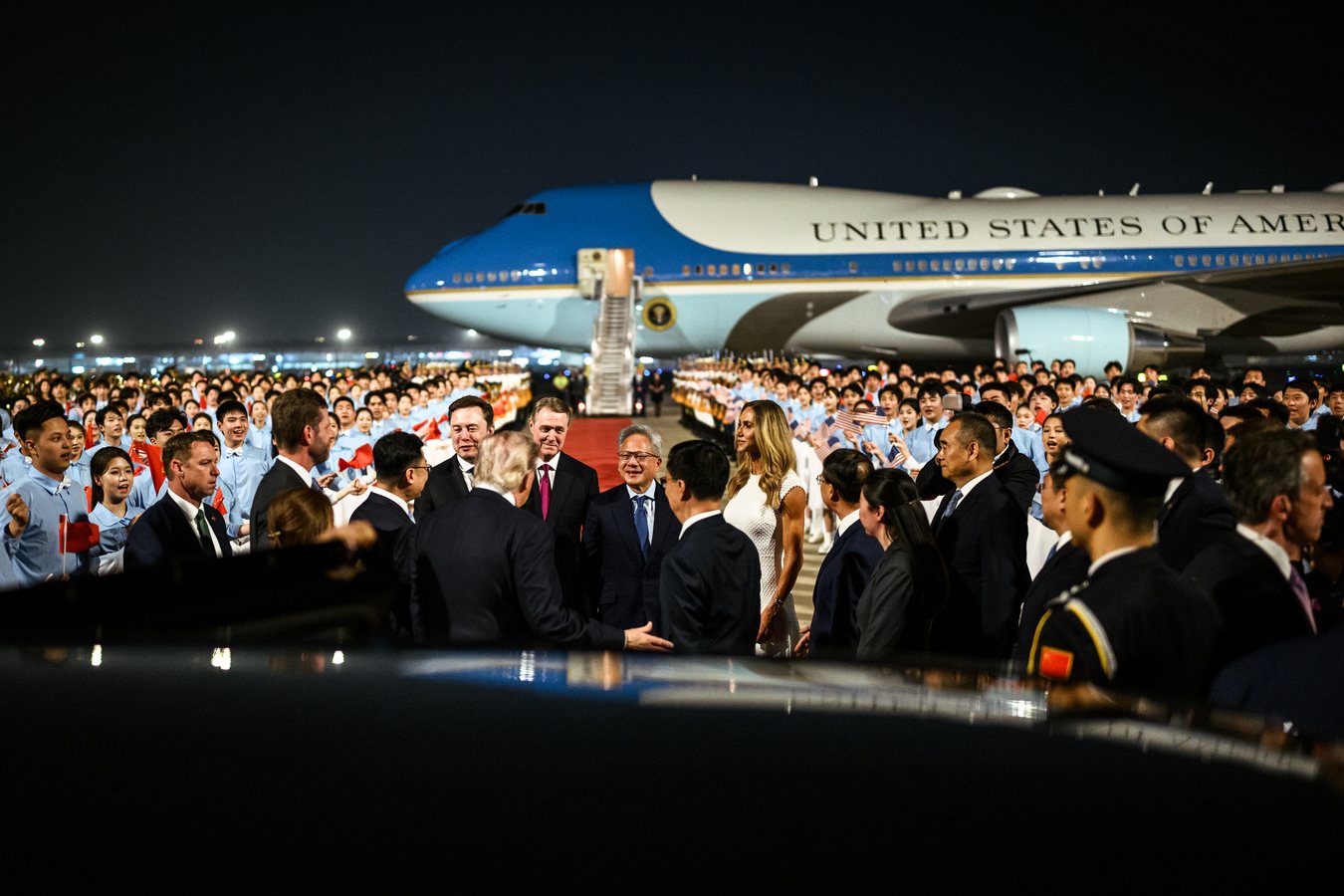
At Charlie Kirk’s memorial in September 2025, Musk walked over to Trump, shook his hand and later posted a photo with the words “For Charlie.” In November, he was back at the White House for a high-profile dinner. In early 2026, his money returned to Republican politics. Then came May’s Air Force One trip to Beijing.
The latest version of Trump-Musk is deliberately less theatrical. They reportedly speak about once a month about AI, China and world events. Musk says he got too involved in politics. Trump has told aides they will never be as close as before. Yet the money says the relationship matters: America PAC is gearing up for a massive turnout operation.
That is what makes this sequel different. The first alliance was a spectacle of proximity. The second may be a spectacle of restraint — fewer matching appearances, more private calls and political infrastructure. For two men who understand attention better than almost anyone, choosing not to perform the friendship constantly may be the most telling performance of all.
73